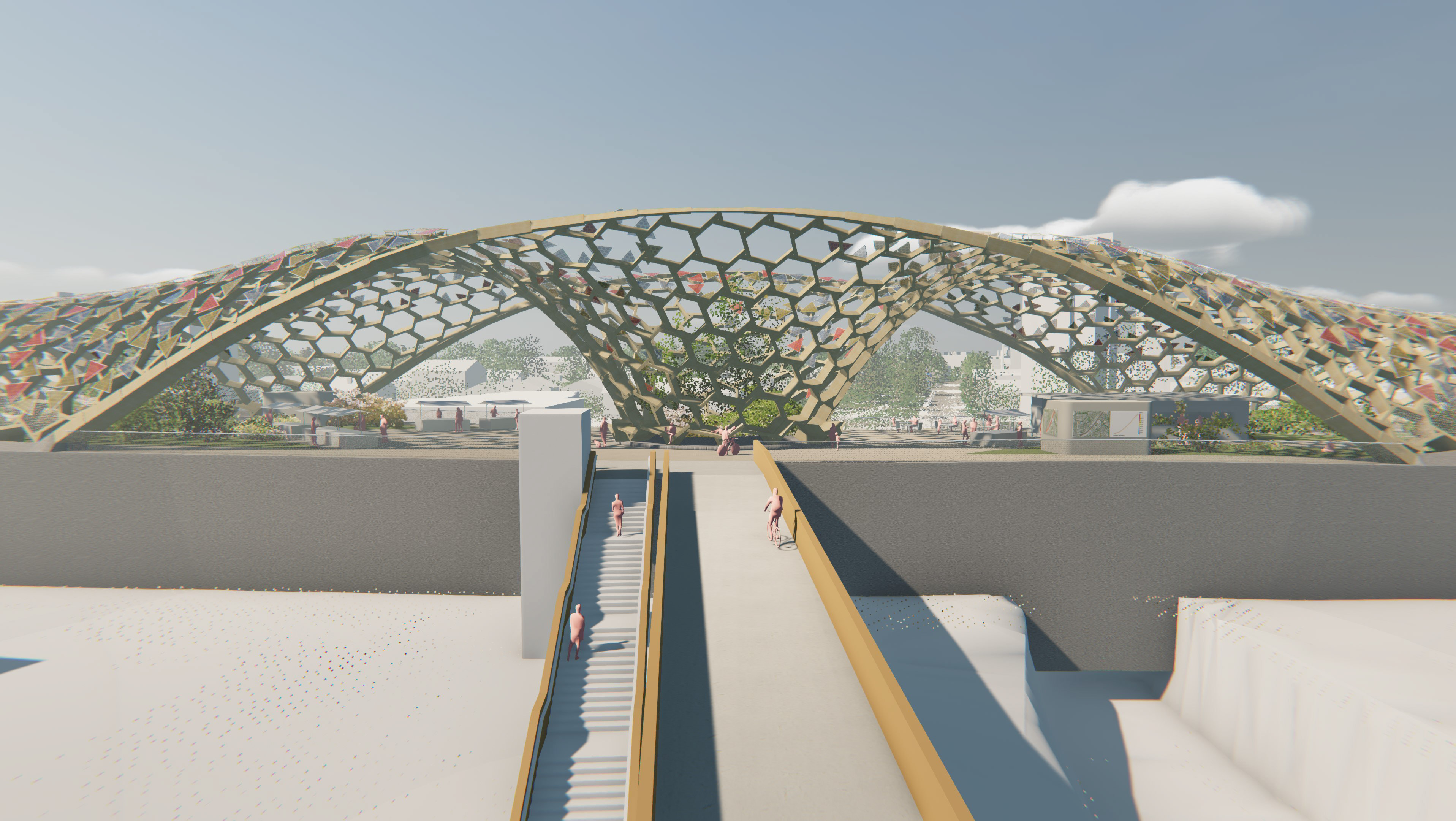
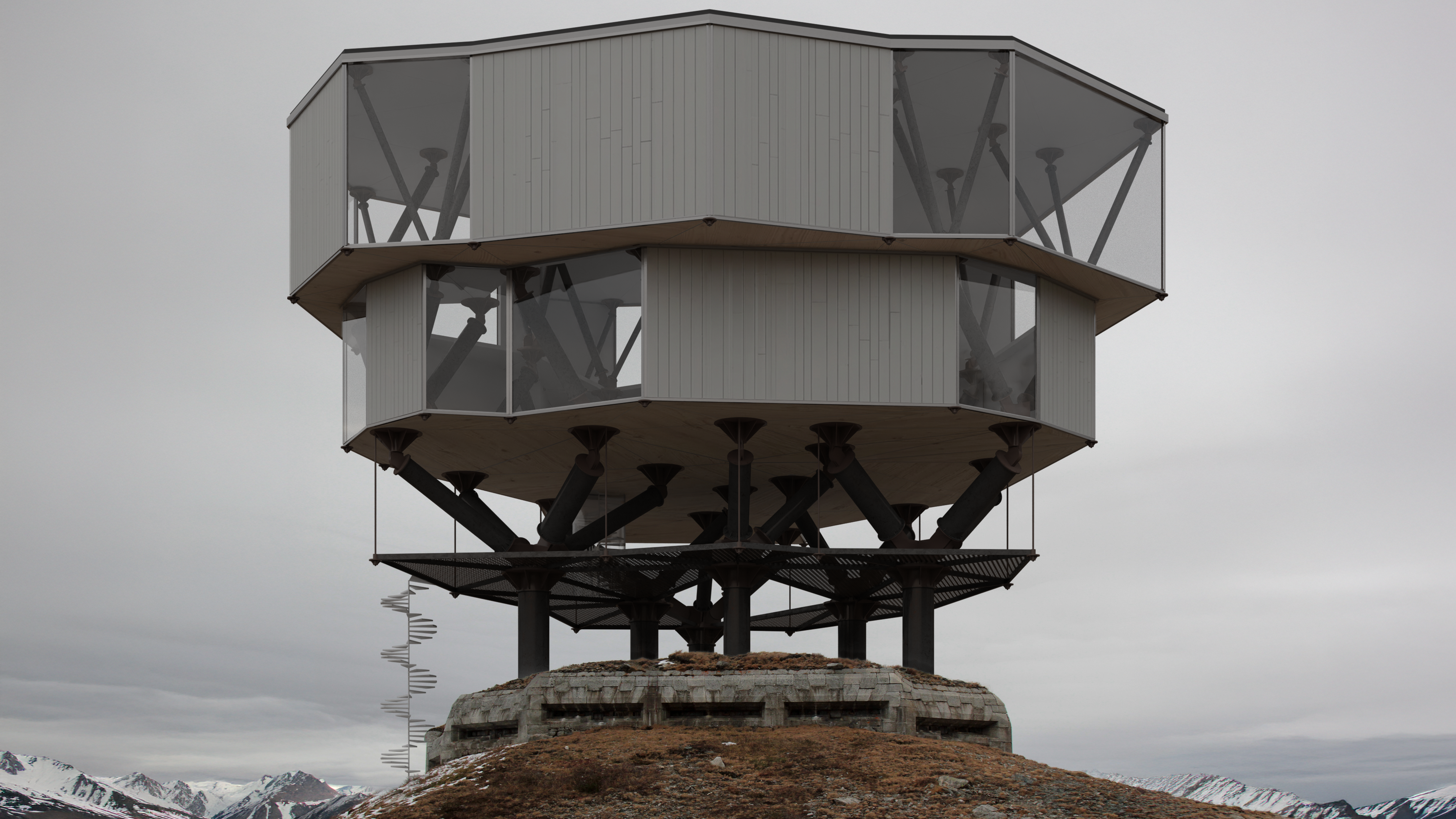
Time Machine is made of Wood!
Architecture in Large Quantities
Zeming Li, Bo Yang, Robin Schärer
Design Studio Dr. Gilles Retsin, Johan Wijesinghe
ETH, Zürich
Spring Semester 2025
What is LA?
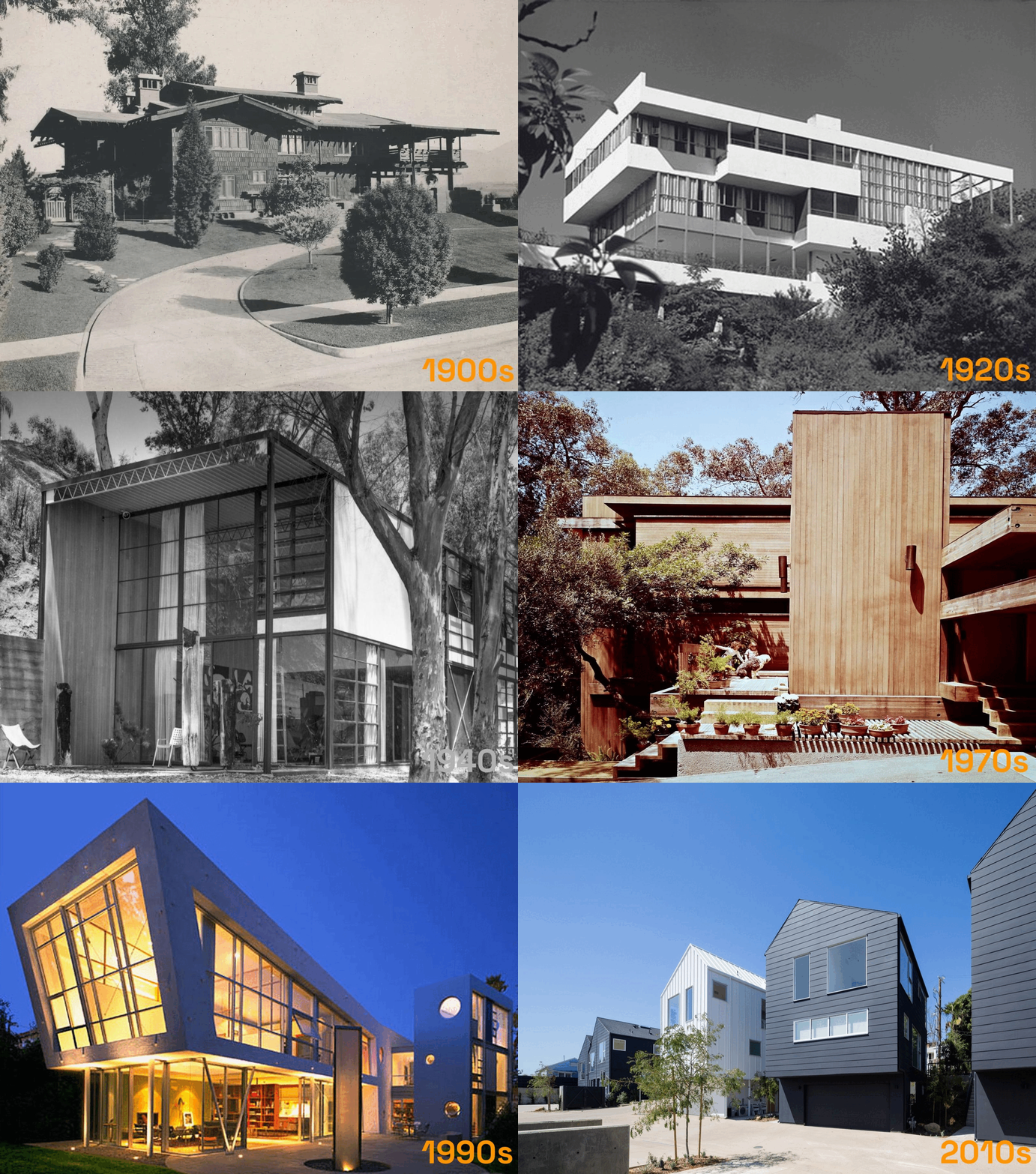
Los Angeles’s architectural identity is often anchored to the mid-century Case Study Houses, lightweight, steel-and-glass experiments hovering above the hills. Yet this narrative overlooks a deeper origin of modern living in LA:
Los Angeles’s architectural identity is often anchored to the mid-century Case Study Houses, lightweight, steel-and-glass experiments hovering above the hills. Yet this narrative overlooks a deeper origin of modern living in LA:
the handcrafted bungalow.
Long before postwar minimalism, the bungalow set a precedent for homes defined by human scale, material richness, and cultural fusion.
The Arts & Crafts Origins
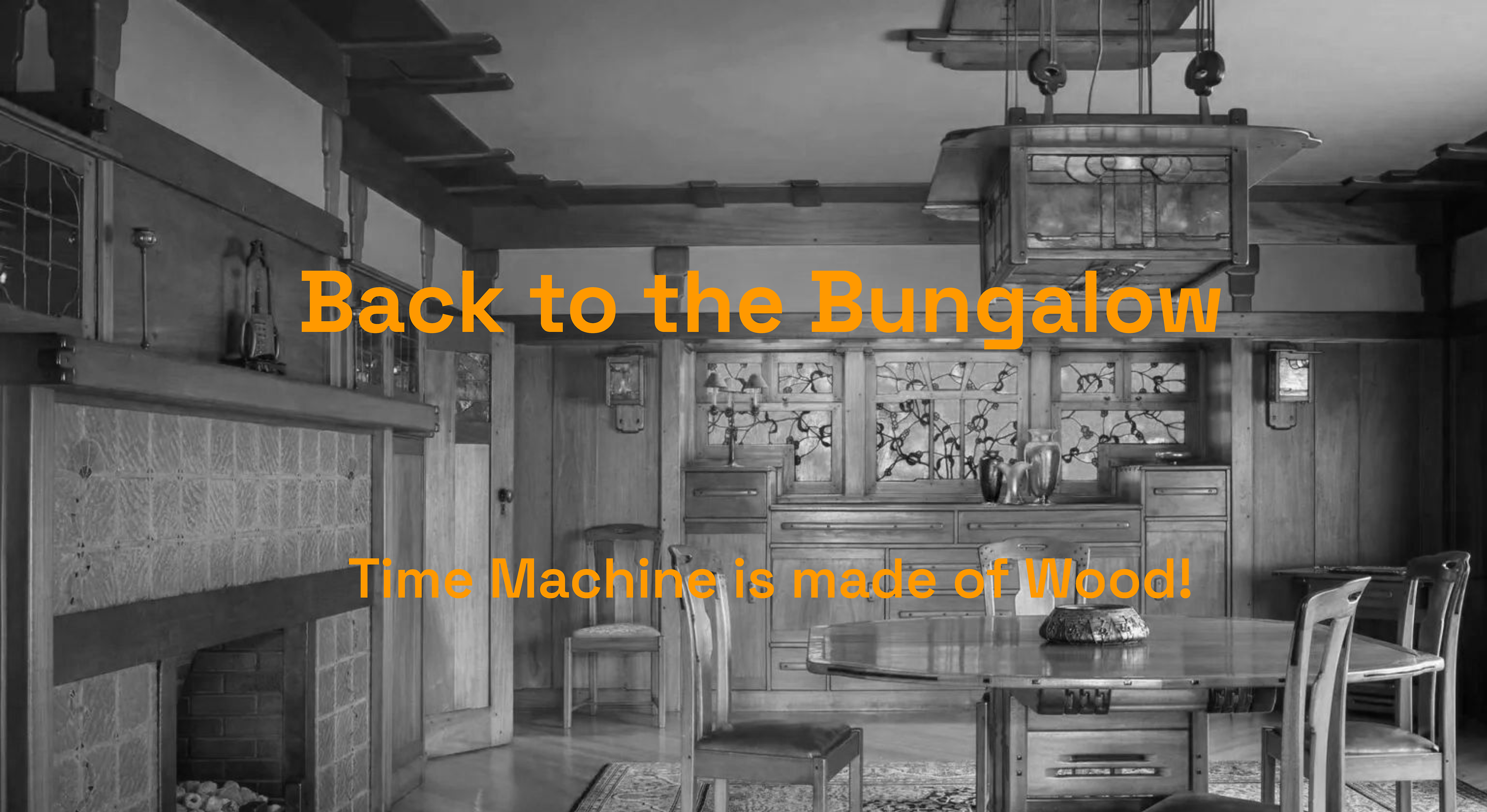
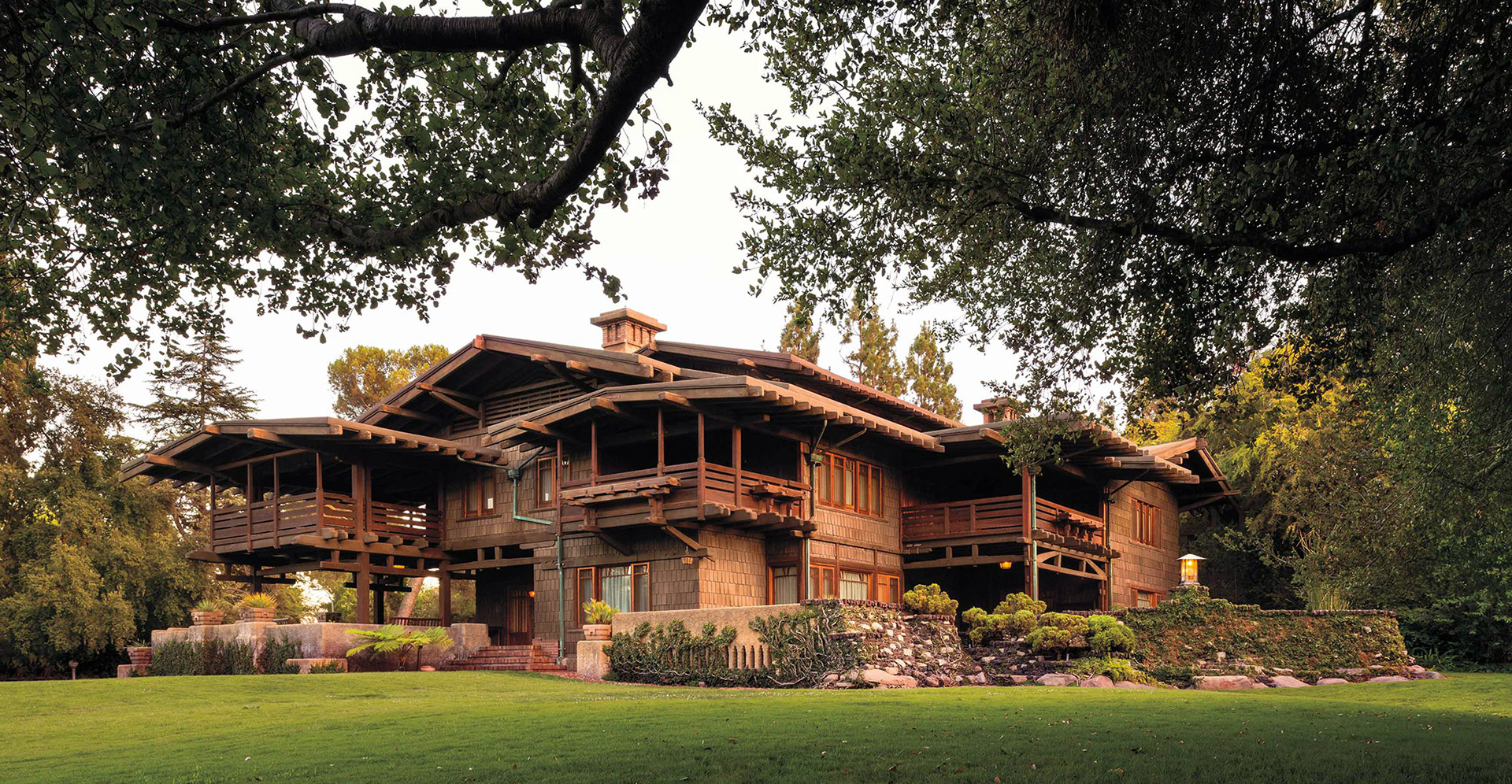
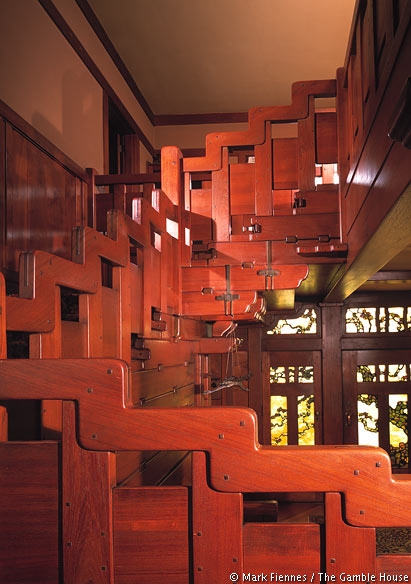
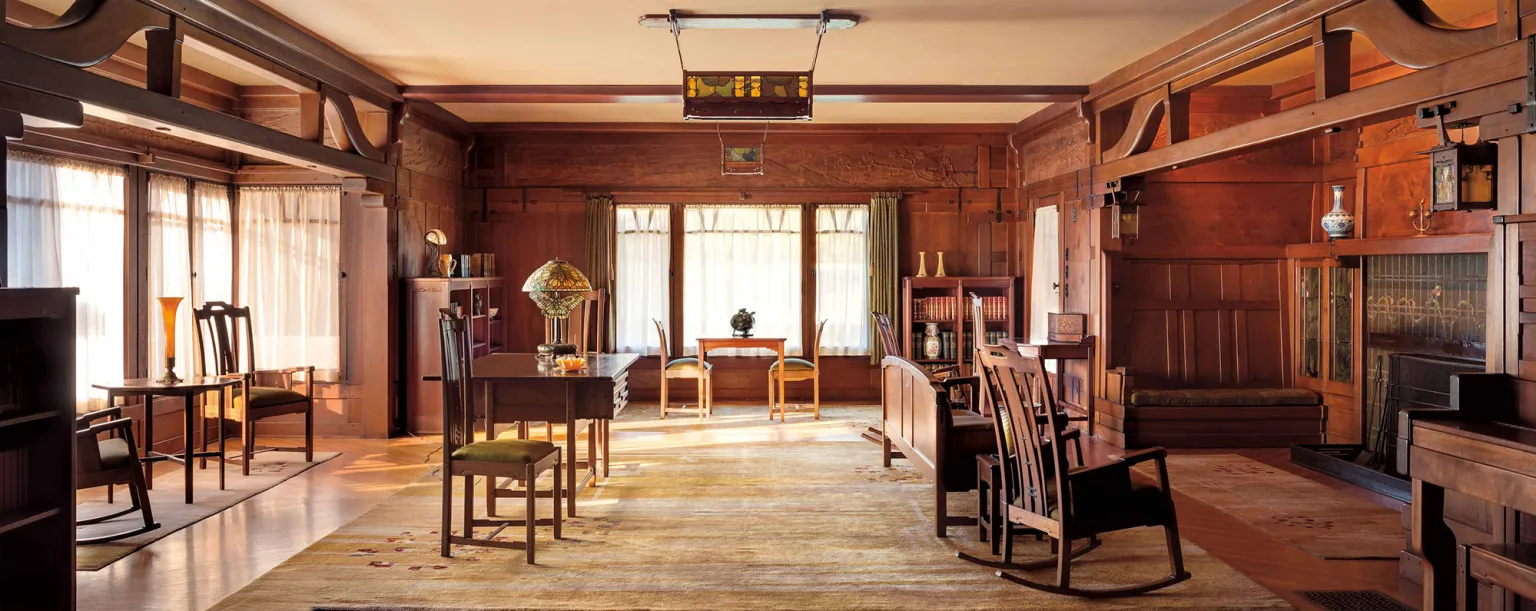
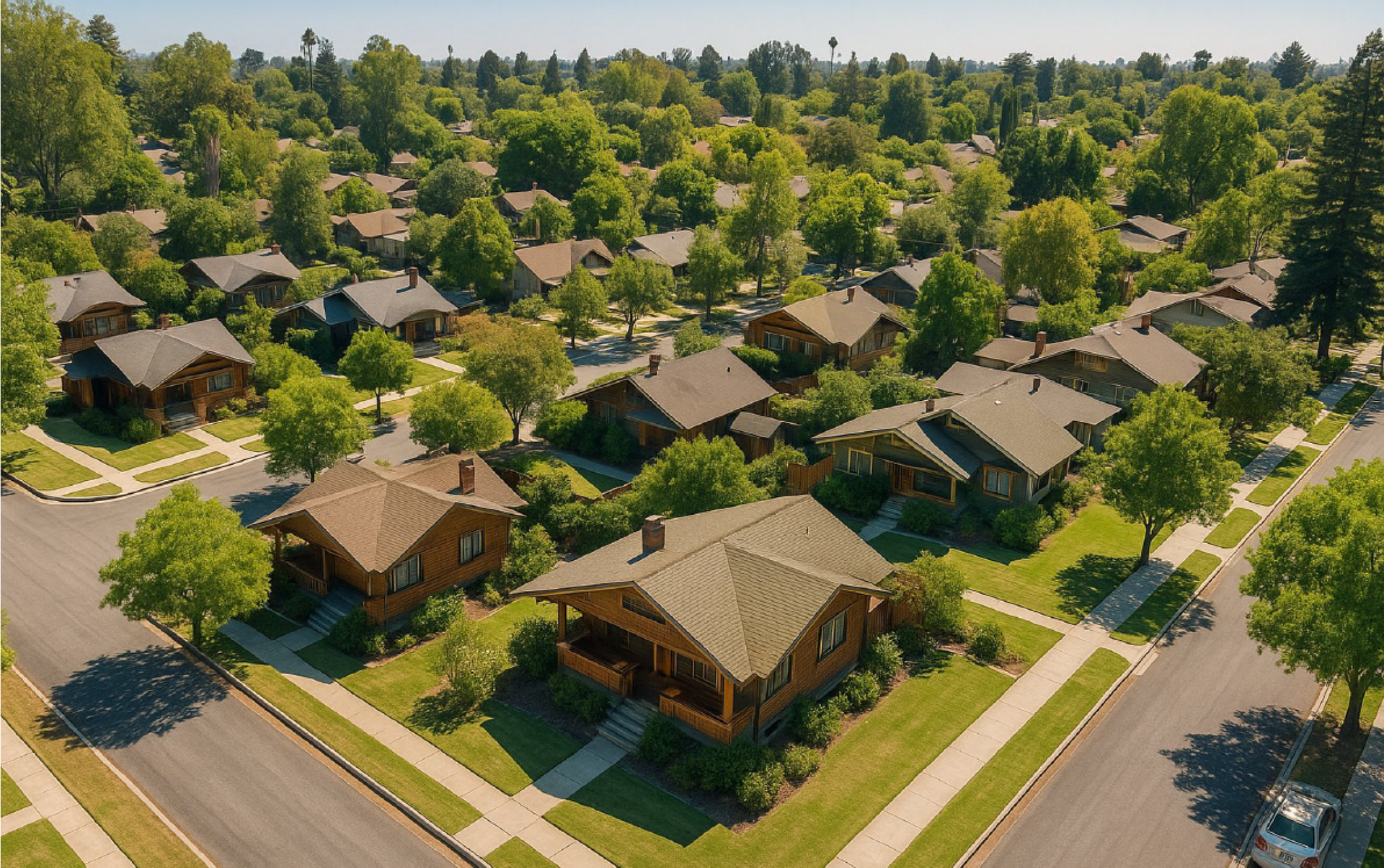
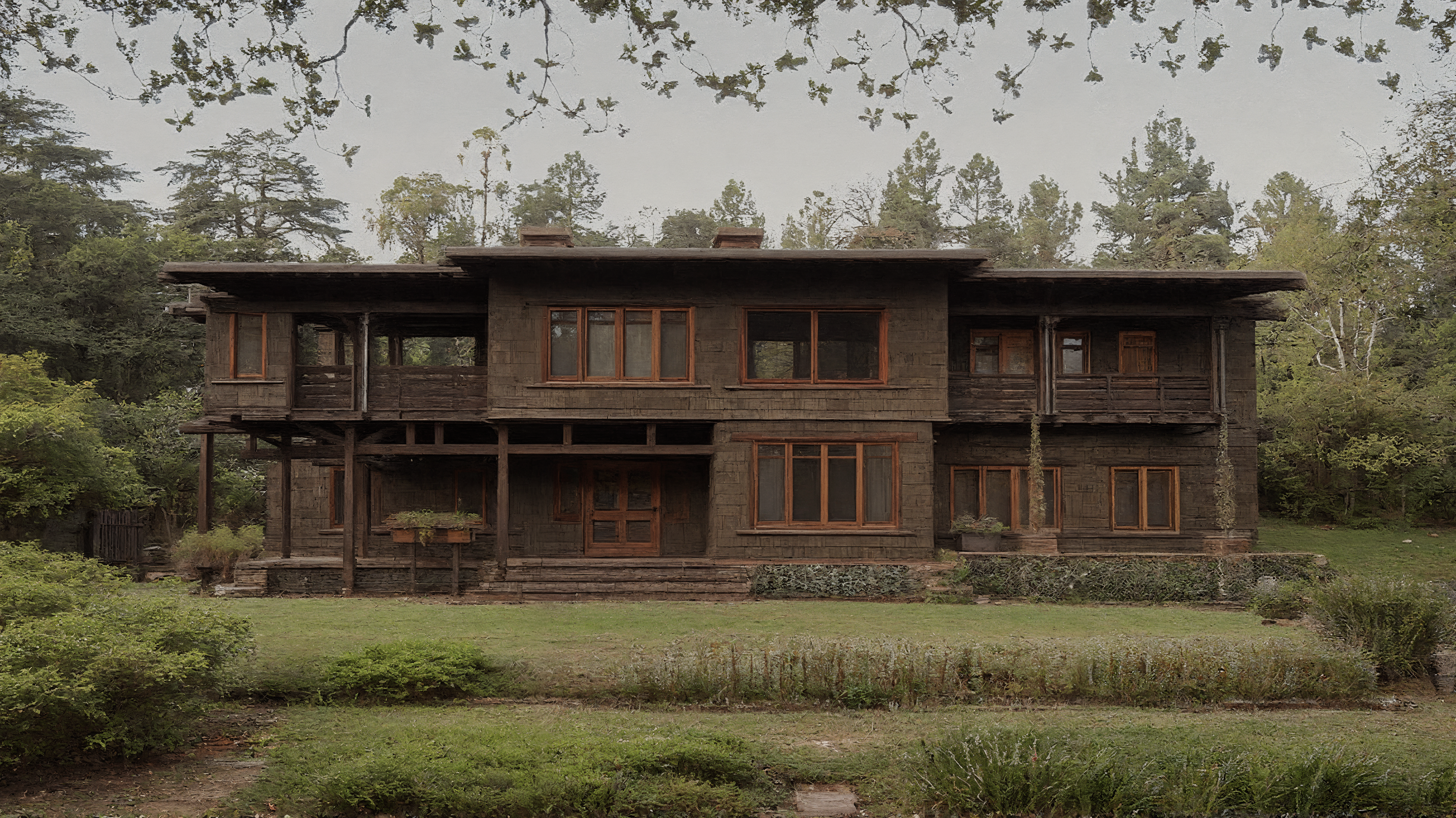
In the late 19th and early 20th centuries, the Arts & Crafts movement took firm root in California. Architects such as Greene & Greene synthesized native American symbolism, Japanese joinery, and Mexican motifs into intimate, wood-framed residences.
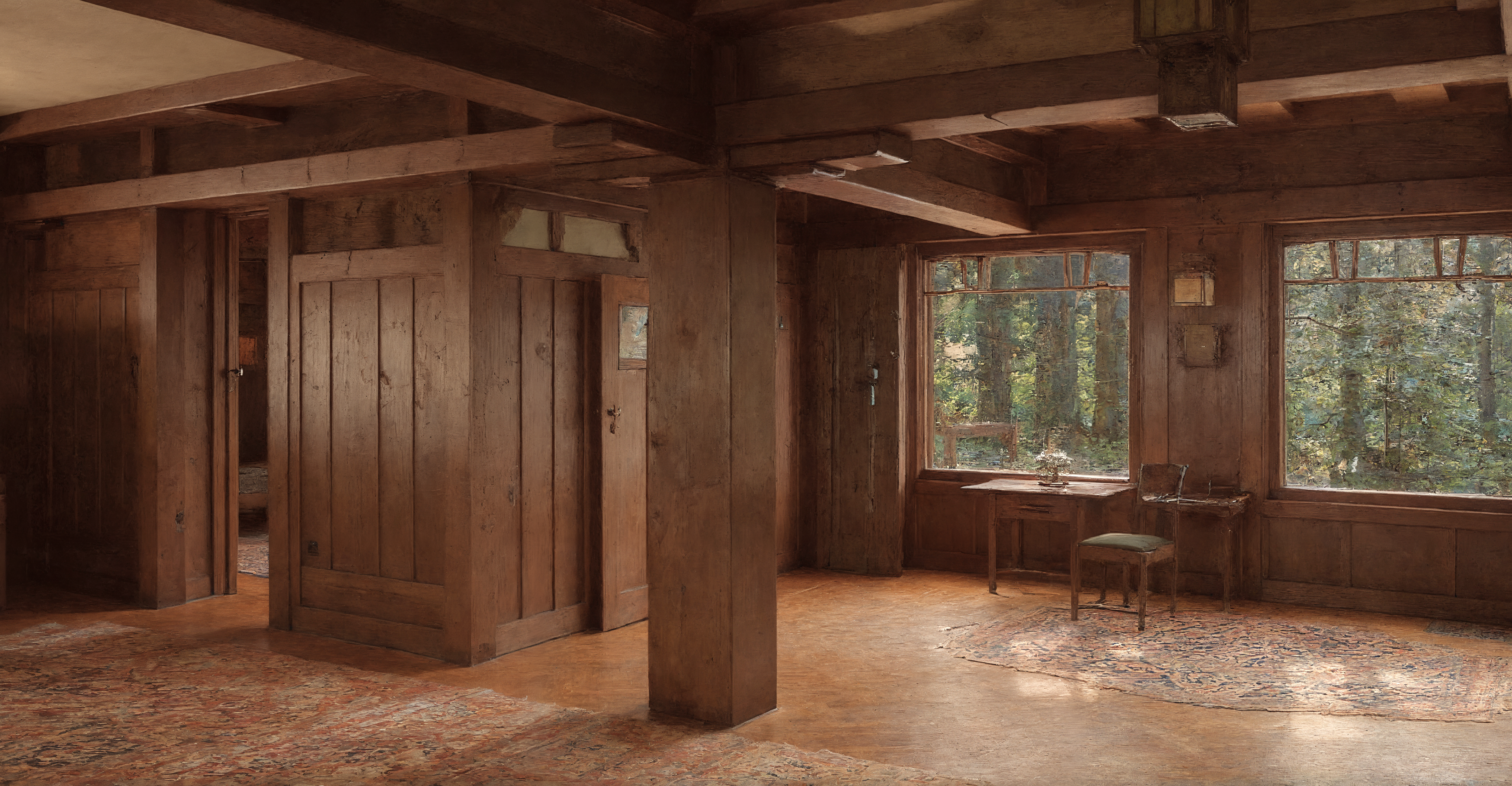
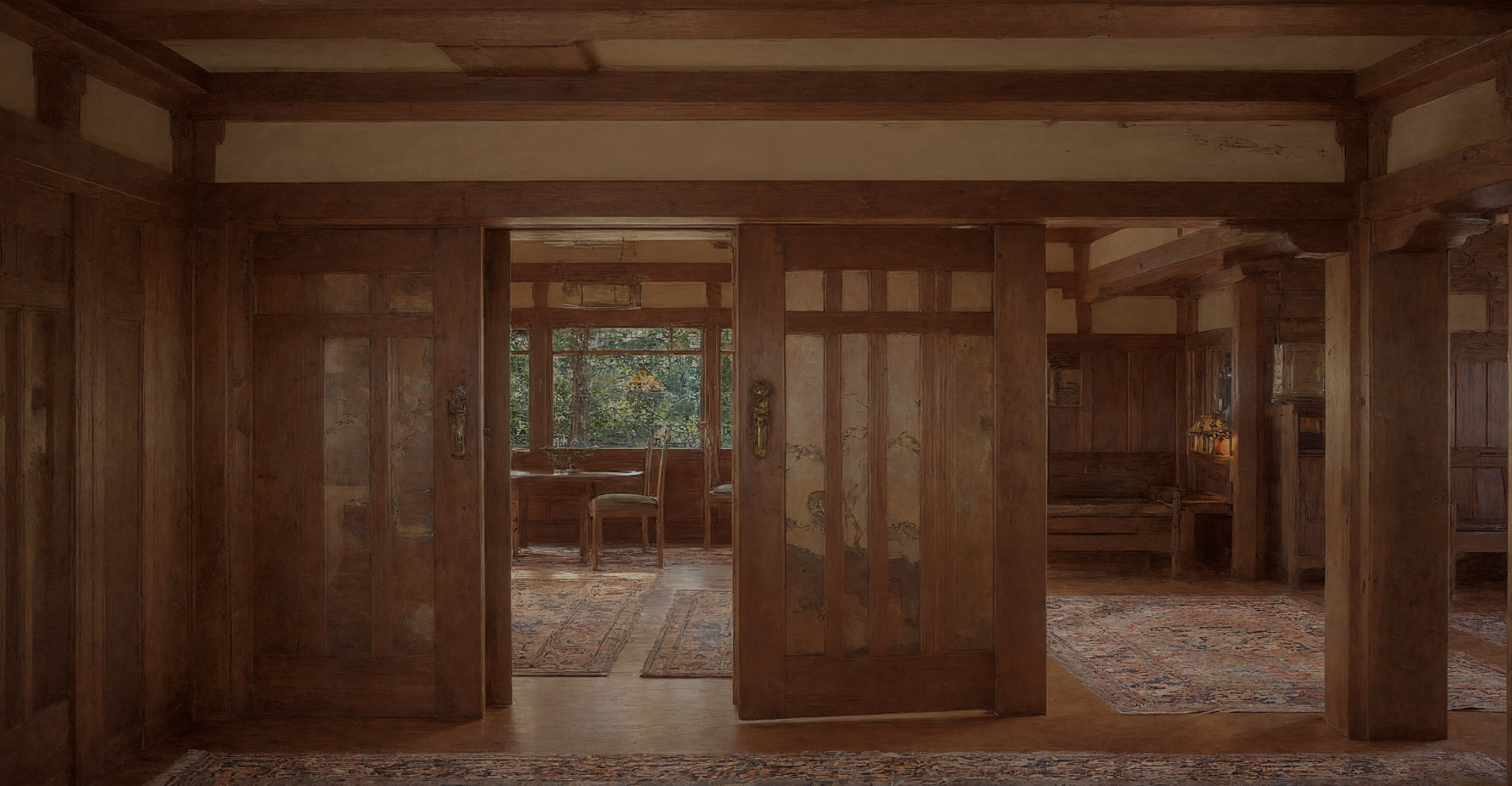
Characterized by low-slung rooflines, generous porches, and exposed beams, these bungalows embodied a regional modernism, one that celebrated craftsmanship and a seamless relationship to nature. Their bespoke detailing and tactile warmth established a model of domestic architecture that prioritized sensory experience over abstraction.
In the late 19th and early 20th centuries, the Arts & Crafts movement took firm root in California. Architects such as Greene & Greene synthesized native American symbolism, Japanese joinery, and Mexican motifs into intimate, wood-framed residences.
Characterized by low-slung rooflines, generous porches, and exposed beams, these bungalows embodied a regional modernism, one that celebrated craftsmanship and a seamless relationship to nature. Their bespoke detailing and tactile warmth established a model of domestic architecture that prioritized sensory experience over abstraction.
Cultural Symbol
Without looking far to see how deeply these bungalows live in LA’s psyche, far more than Case Study Houses ever could. Bungalows star in movies and TV series through multiple decades until today.
Their domestic atmosphere are created by these carefully crafted details. They promise a story and an emotional connection, evoke a sense of place and memory.
Without looking far to see how deeply these bungalows live in LA’s psyche, far more than Case Study Houses ever could. Bungalows star in movies and TV series through multiple decades until today.
Their domestic atmosphere are created by these carefully crafted details. They promise a story and an emotional connection, evoke a sense of place and memory.
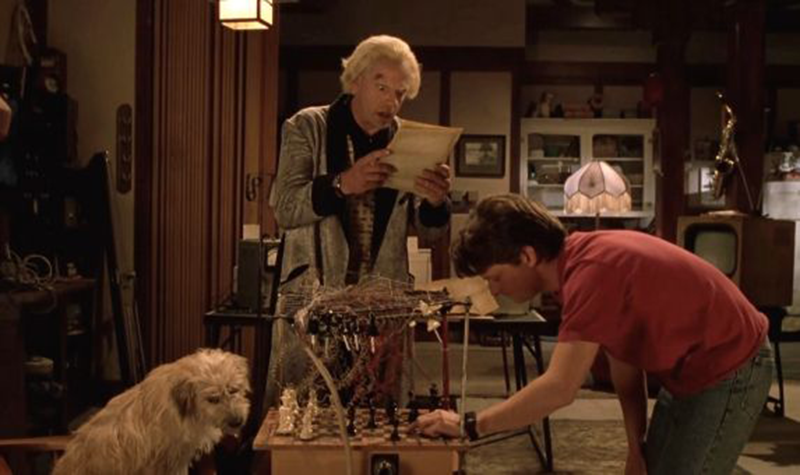
BACK TO THE FUTURE (1985) GAMBLE HOUSE, 4 WESTMORELAND PL, PASADENA
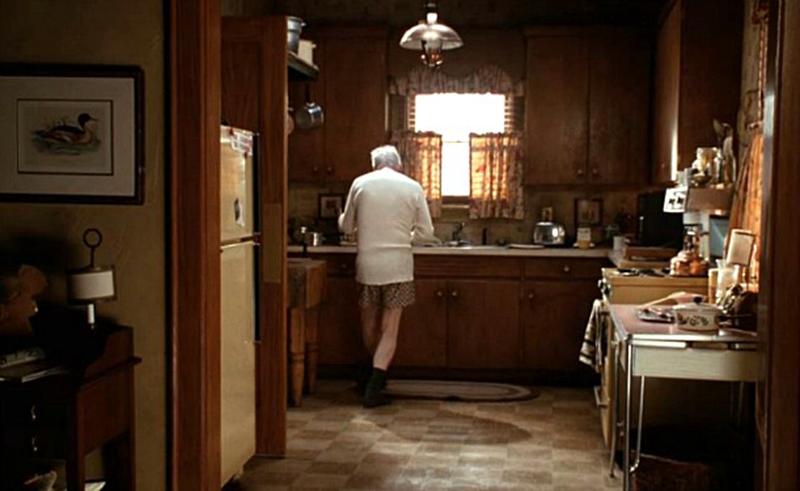
GRUMPY OLD MEN (1993) 1122 HYACINTH AVE E, ST PAUL, MINNESOTA
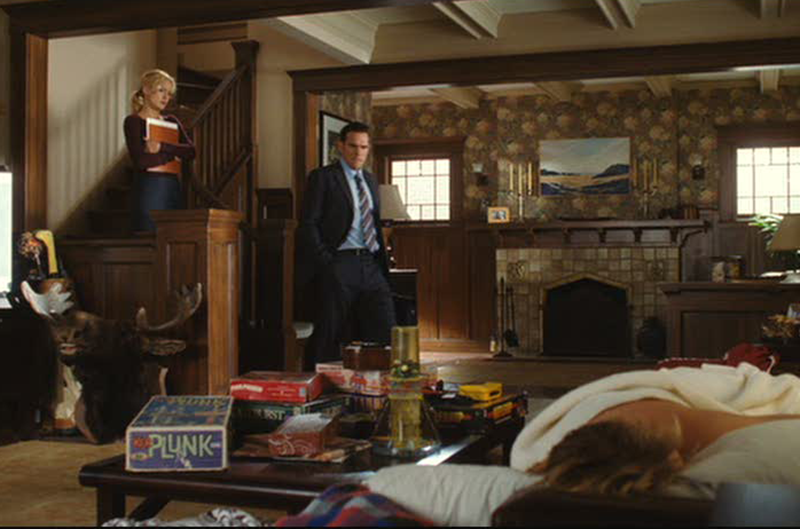
YOU, ME AND DUPREE (2006) 2412 GRAMERCY PARK, LOS ANGELES, CALIFORNIA
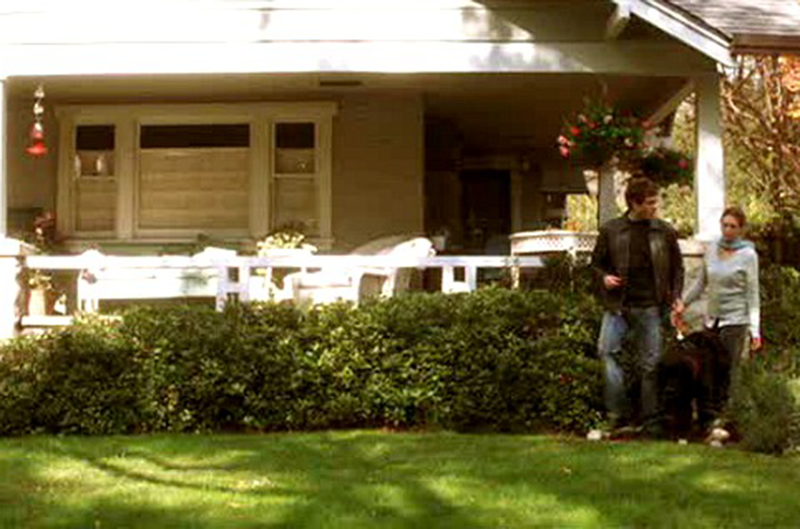
MUST LOVE DOGS (2005) 1181 ELIZABETH STREET, PASADENA
Democratizing Craft
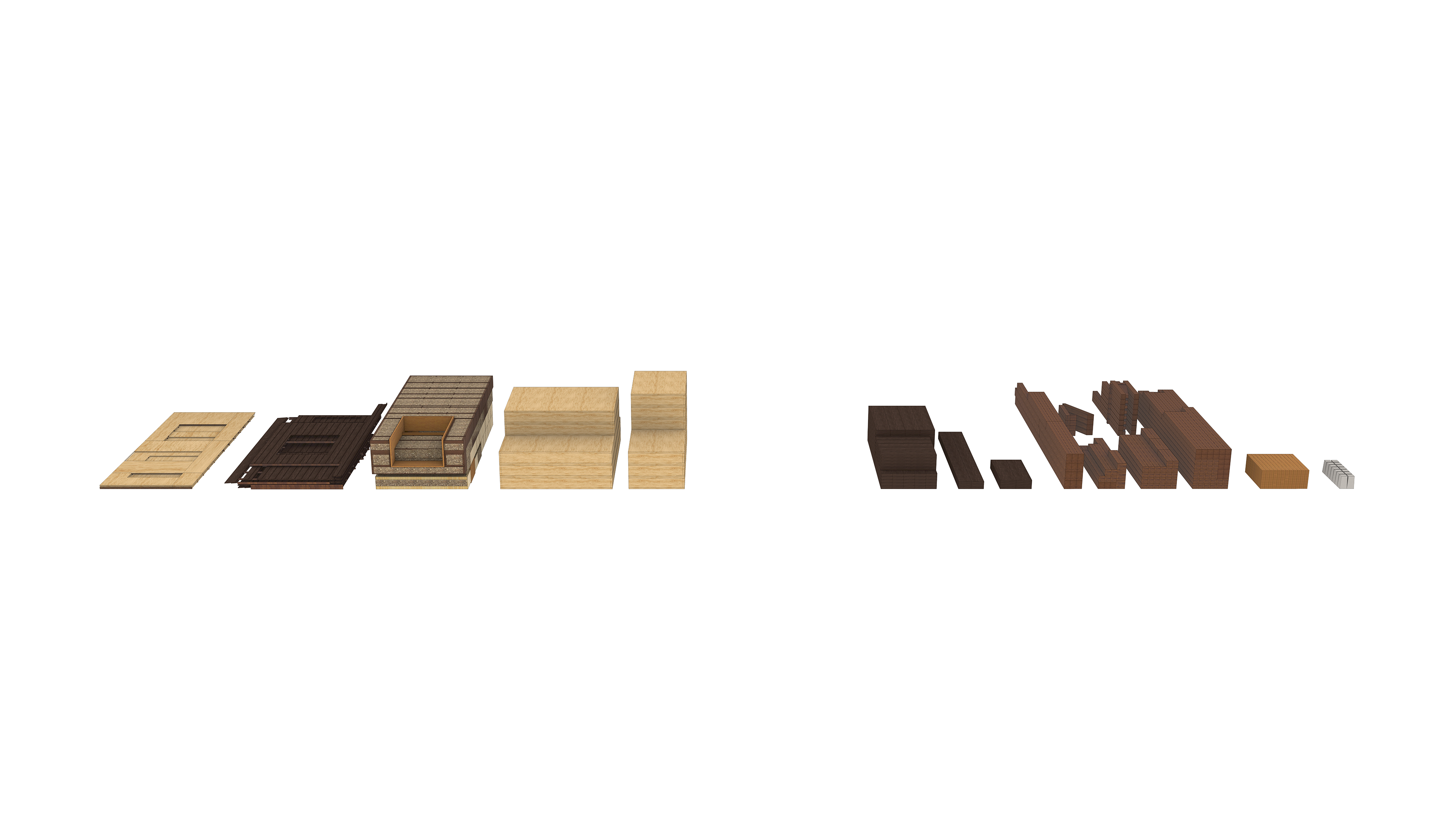
At the turn of the century, mass production collided with the quest for crafted beauty. The Sears mail-order catalog offered over 370 home designs and ultimately shipped more than 70,000 kits nationwide. Each numbered beam, panel, and shingle was precut in factory conditions, packed for rail delivery, and assembled on-site. This system dramatically reduced cost and construction time, making elements of bungalow charm accessible to a broad clientele. Yet the very mechanisms that enabled democratization also laid the groundwork for later shortcomings.
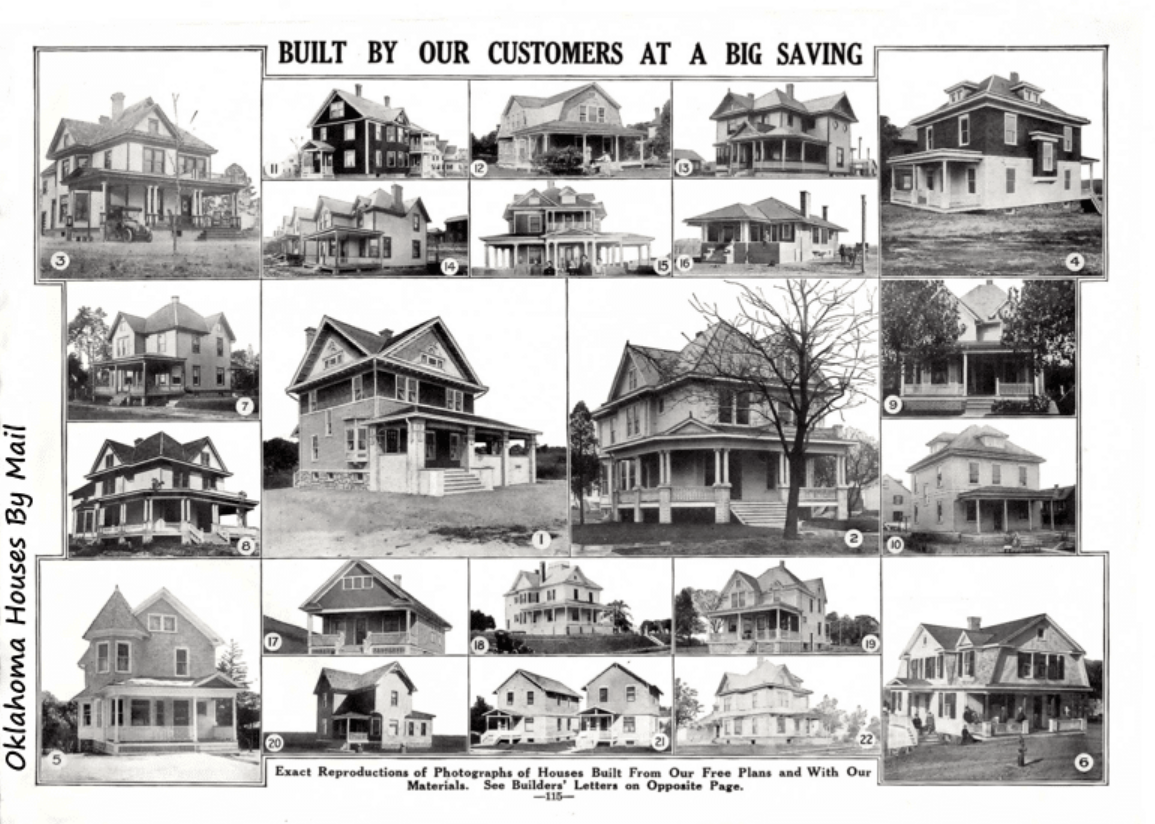
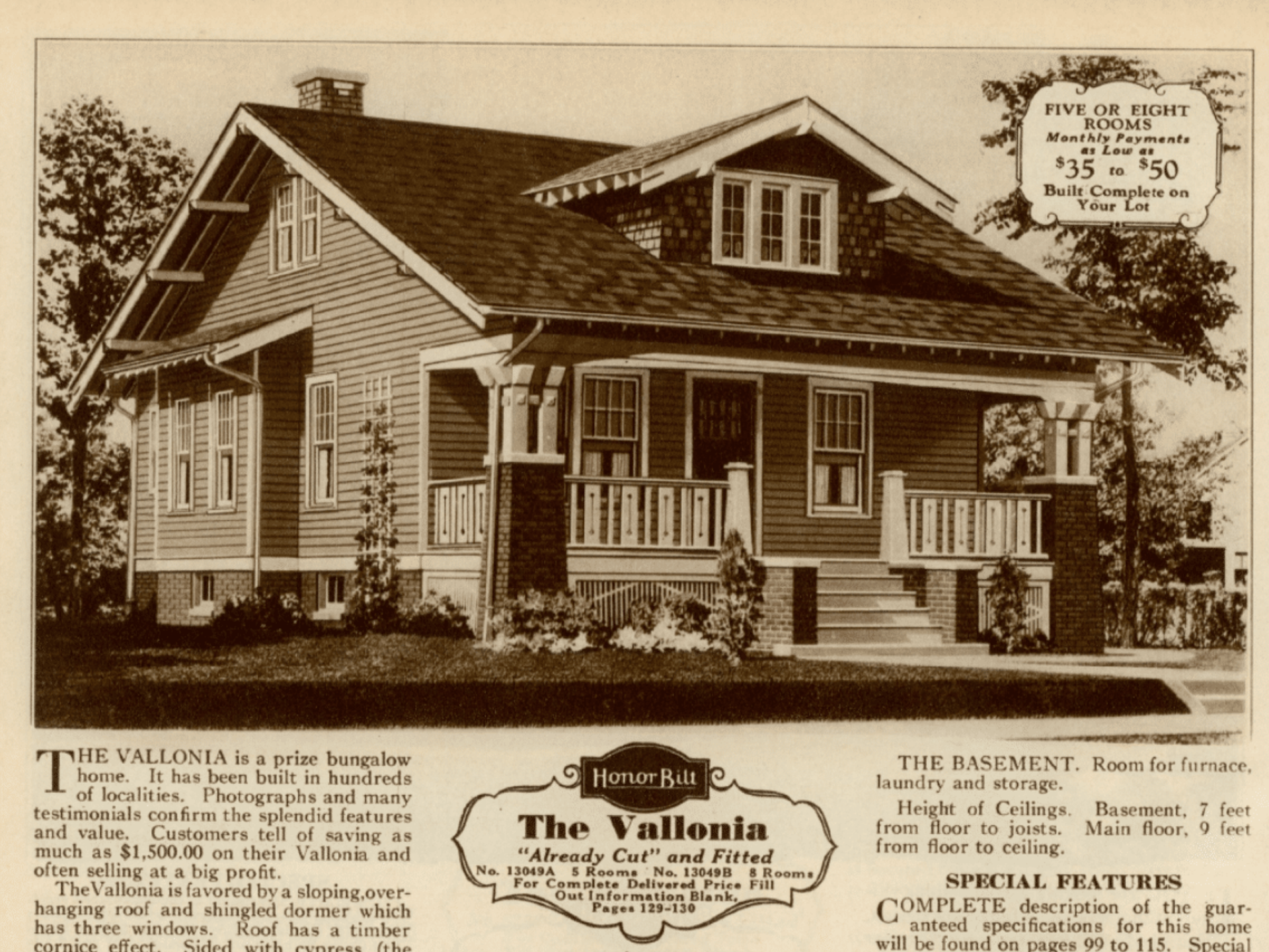
SEARS KIT HOMES CATALOG
Loss of Soul
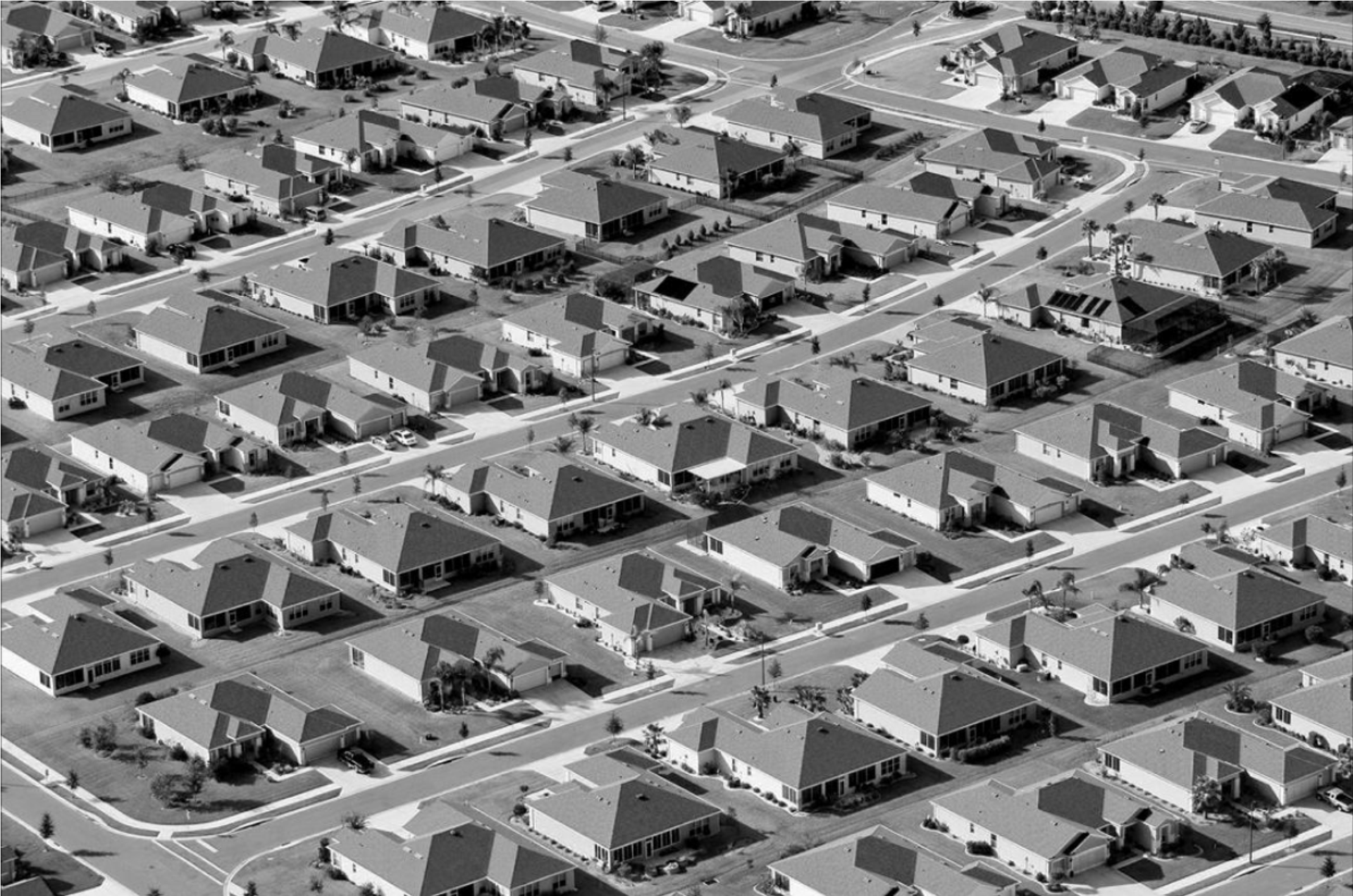
Economic upheaval and shifting cultural expectations after the Great Depression and World War II reframed “prefab” as a synonym for “cheap.” Standardized plans clashed with local conditions, lightweight materials warped in diverse climates, and cryptic instruction manuals turned homeowners into reluctant laborers. Over time, the aura of handcrafted authenticity faded, replaced by flat facades and minimized ornamentation. By simplifying every detail to save cost and time, the architecture lost the emotional resonance that once defined the bungalow’s appeal.
Heavier in Meaning
For over a century, architecture has been stripped down, thinner walls, fewer details, flatter surfaces. It has been told that it was honest, rational, efficient. But was it also a concession? A surrender to the logics of mass production, rising labor costs, and the cultural myth that progress means less?
The future doesn’t have to be lighter.
What if it’s heavier?
Not in mass, but in meaning. In texture. In presence.
Digital tools, once stand for their ability to streamline and erase, now hold the power to do the opposite. To reintroduce complexity. To script ornament. To automate intricacy. The technology that once justified austerity now enables abundance.
What if the future of L.A. housing isn’t the Case Study House, but the bungalow?
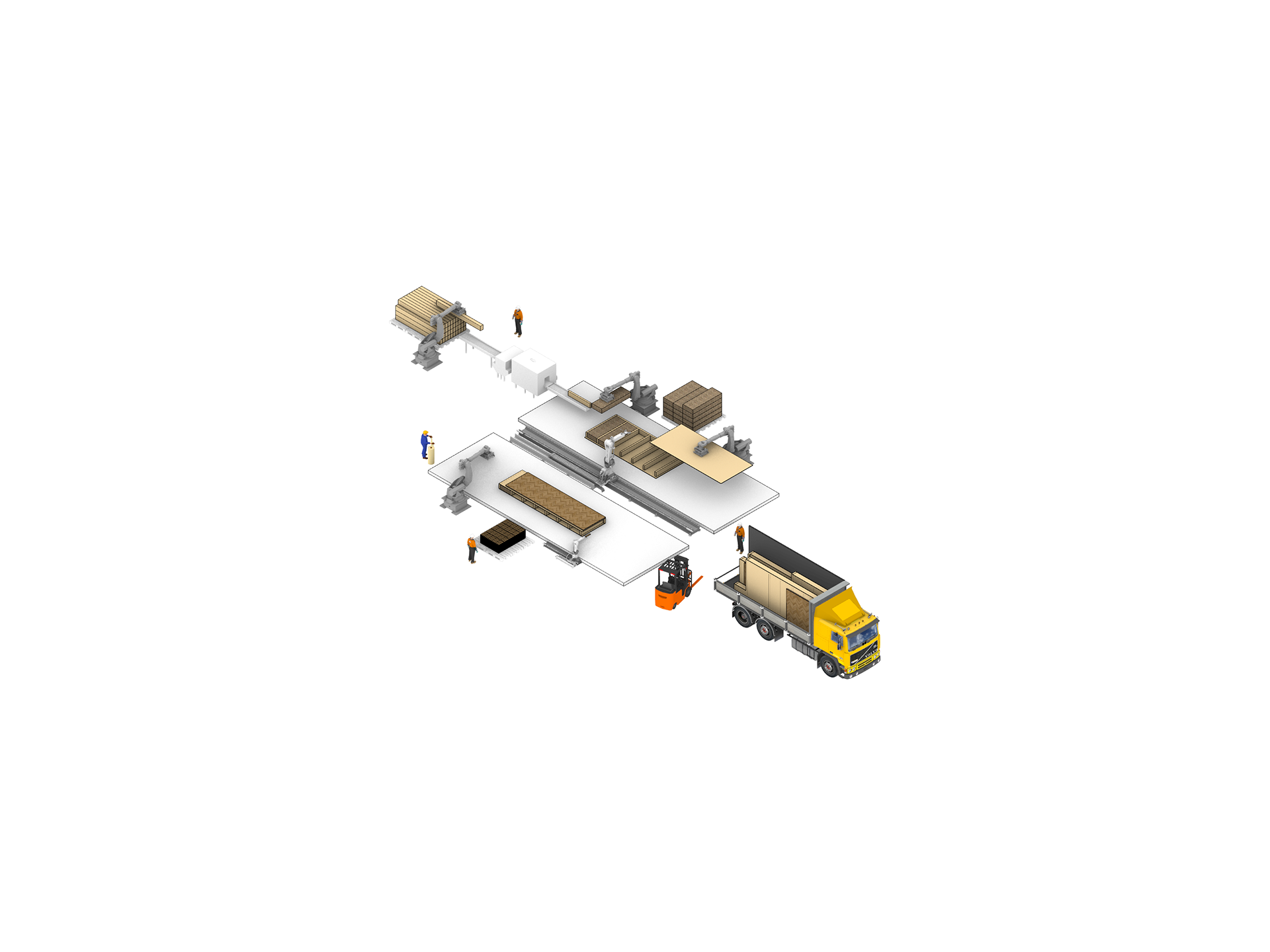
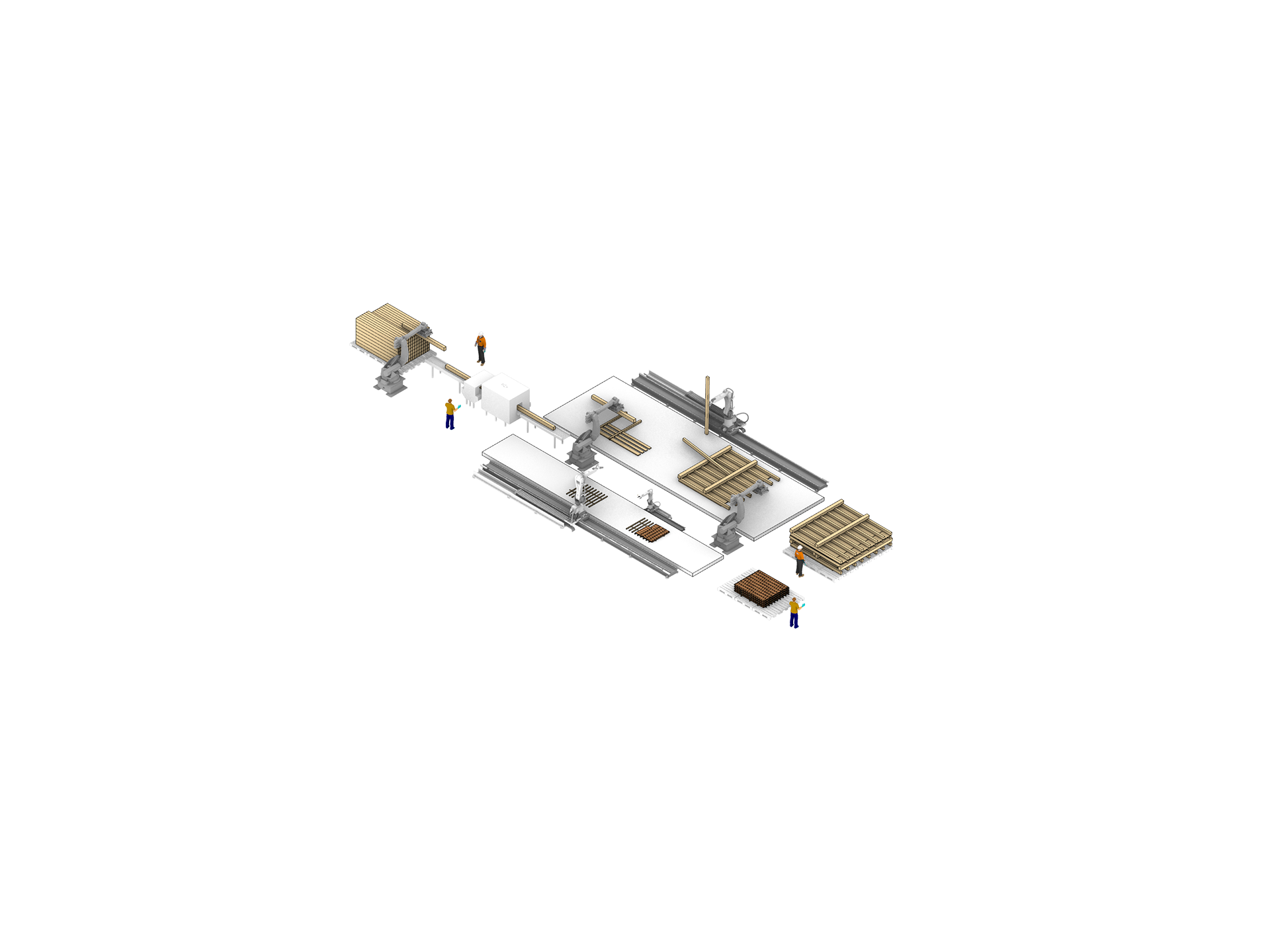
What if we could mass-produce these crafted homes—at prefab speed, AI-driven precision, and low cost?
Back to the Bungalow
This isn’t nostalgia. It’s a continuation.
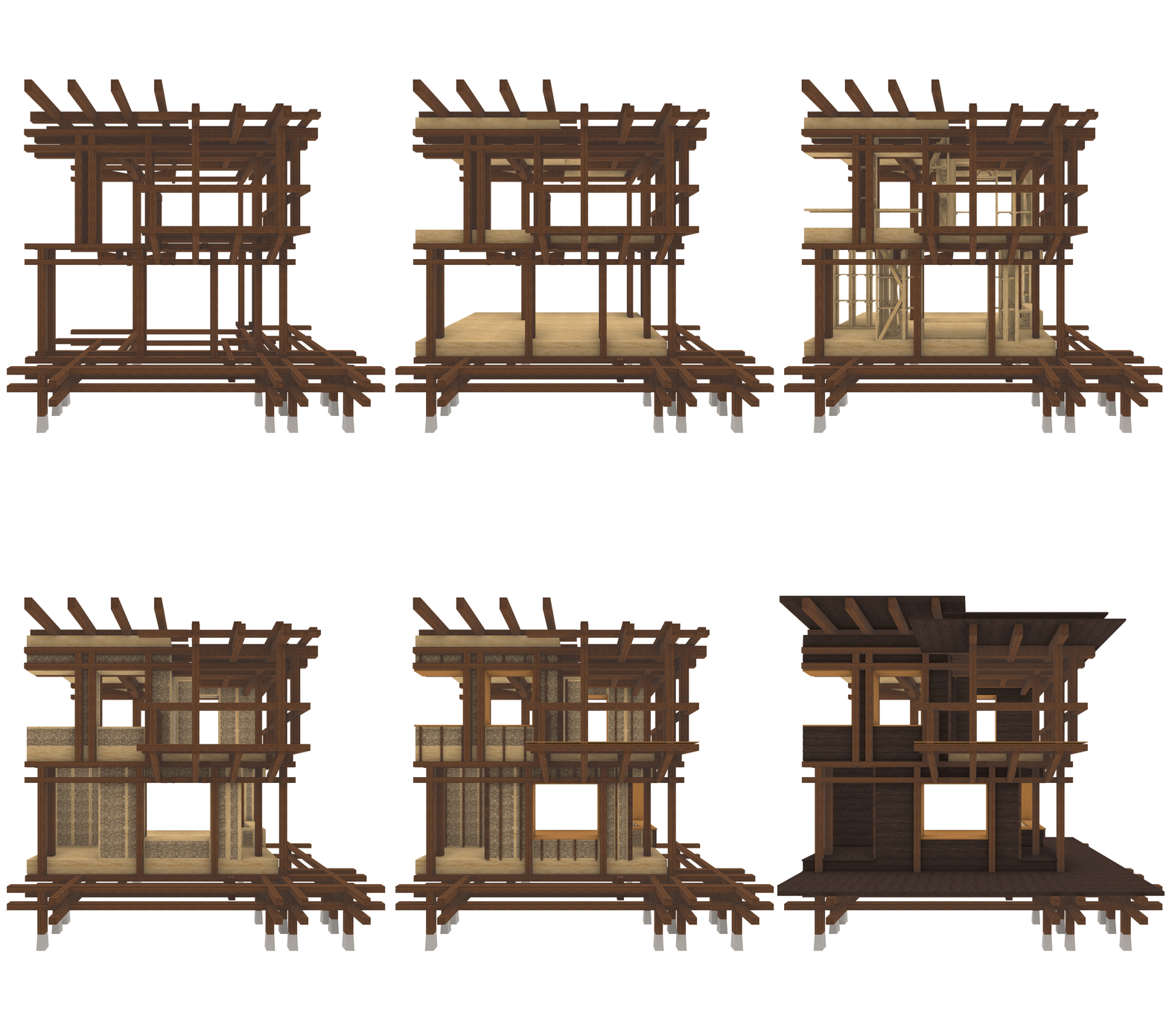
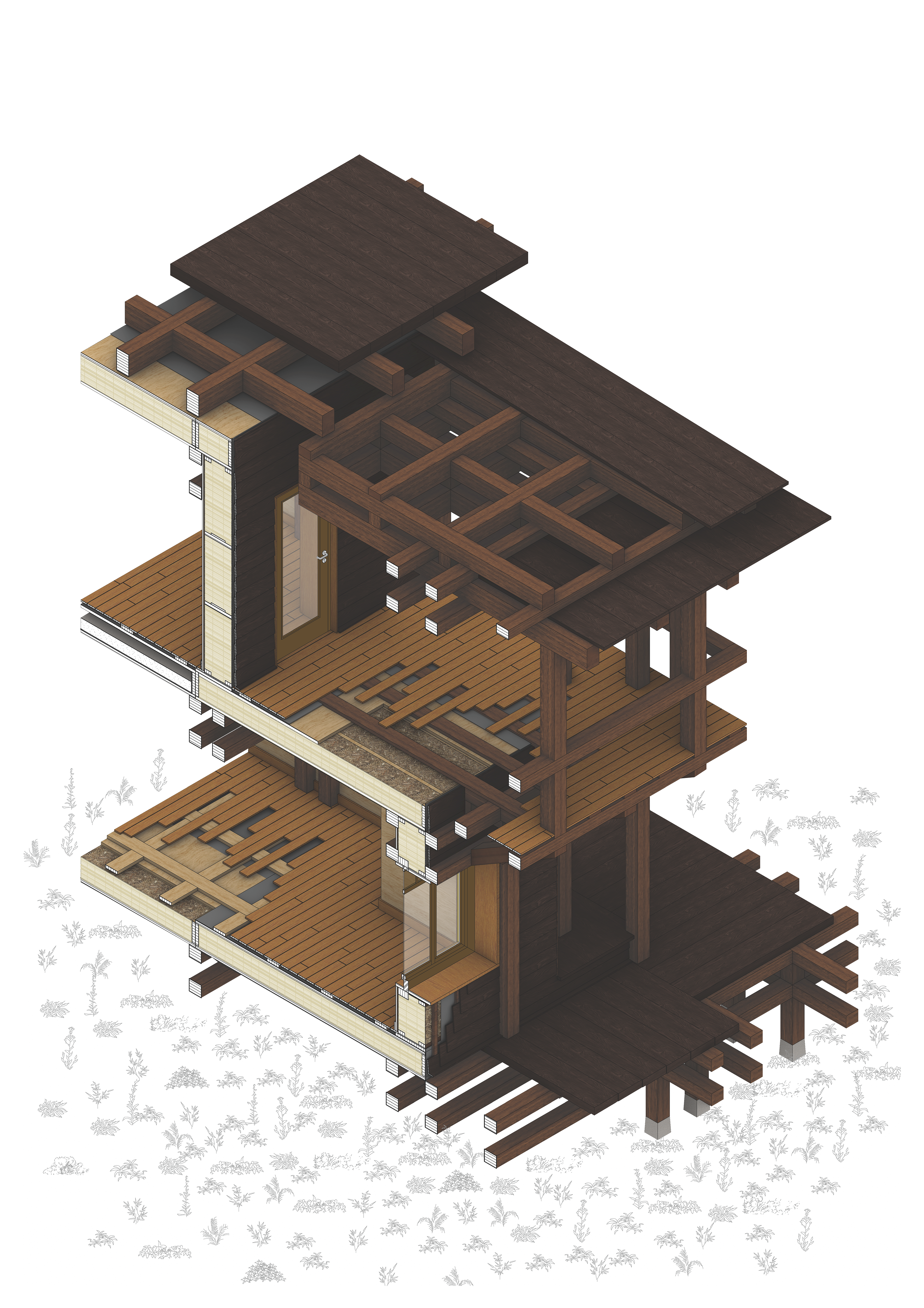
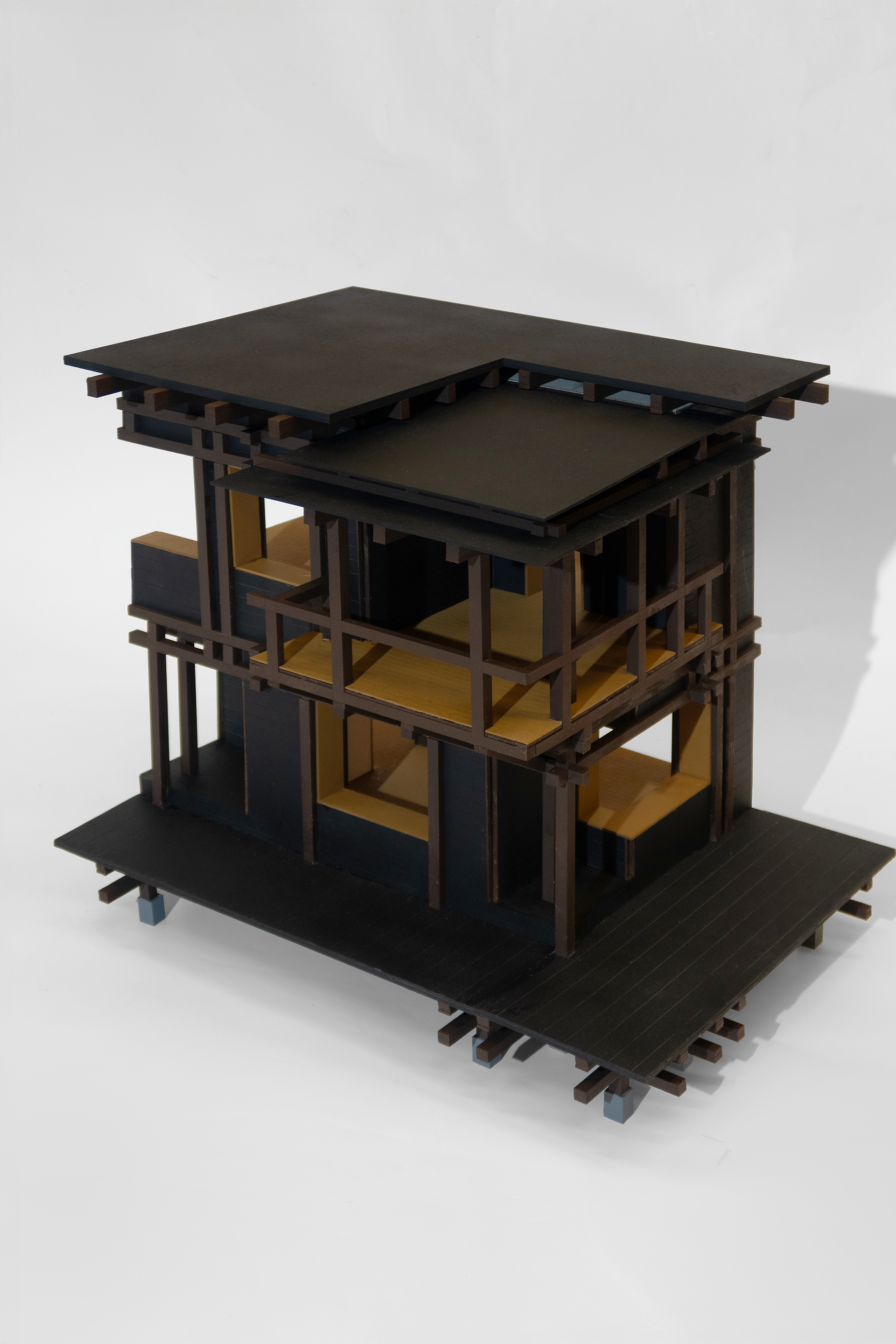
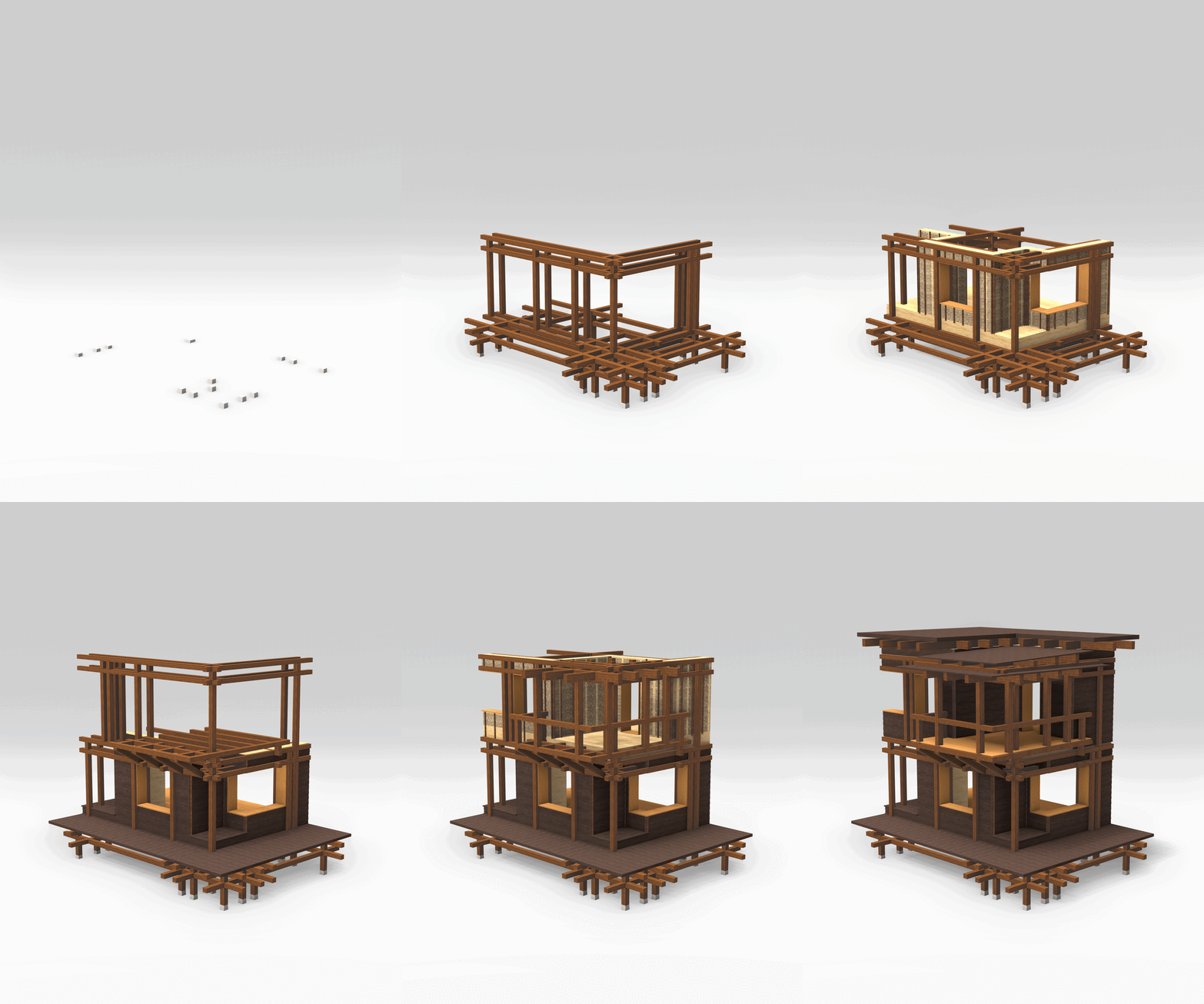
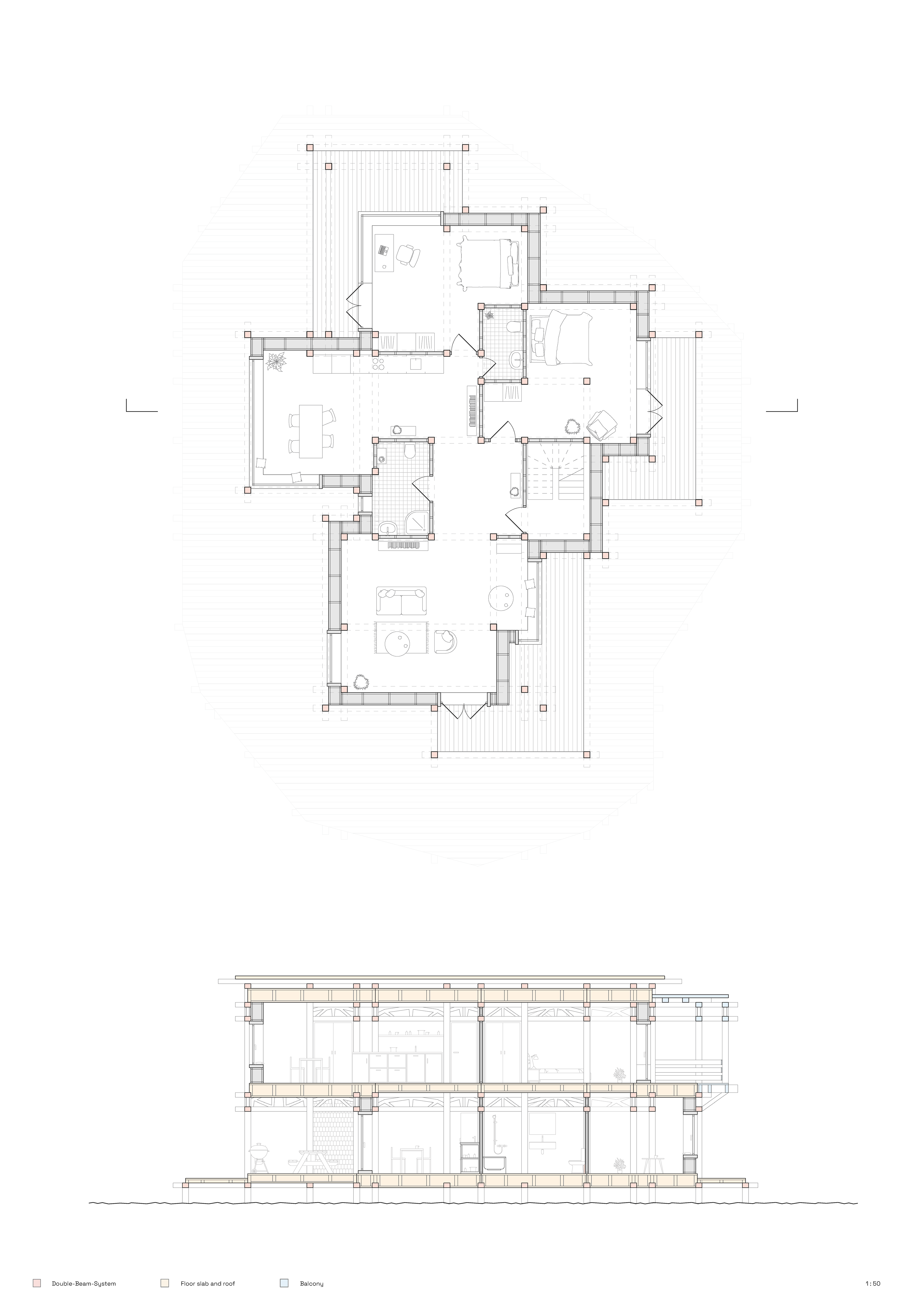
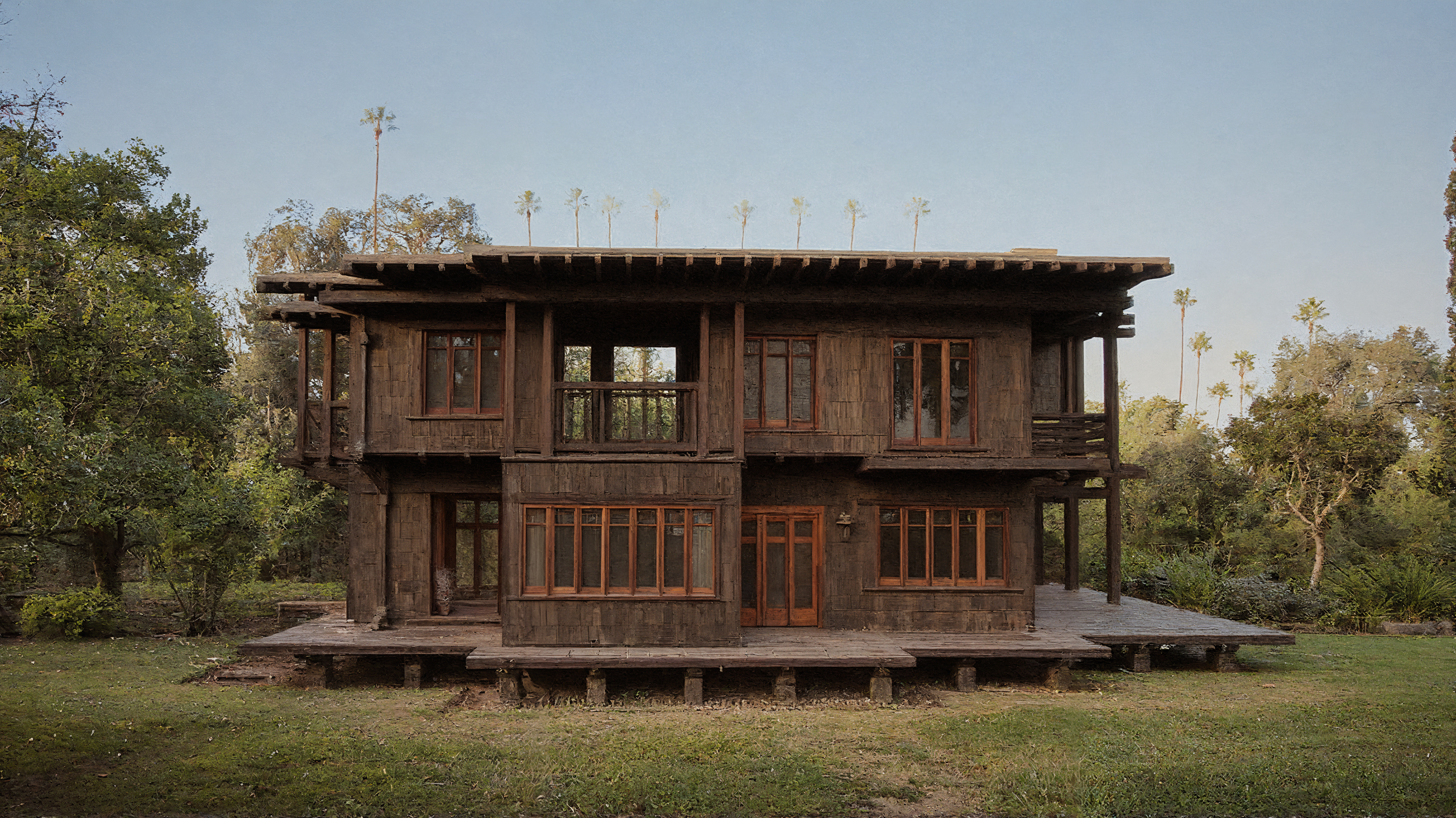
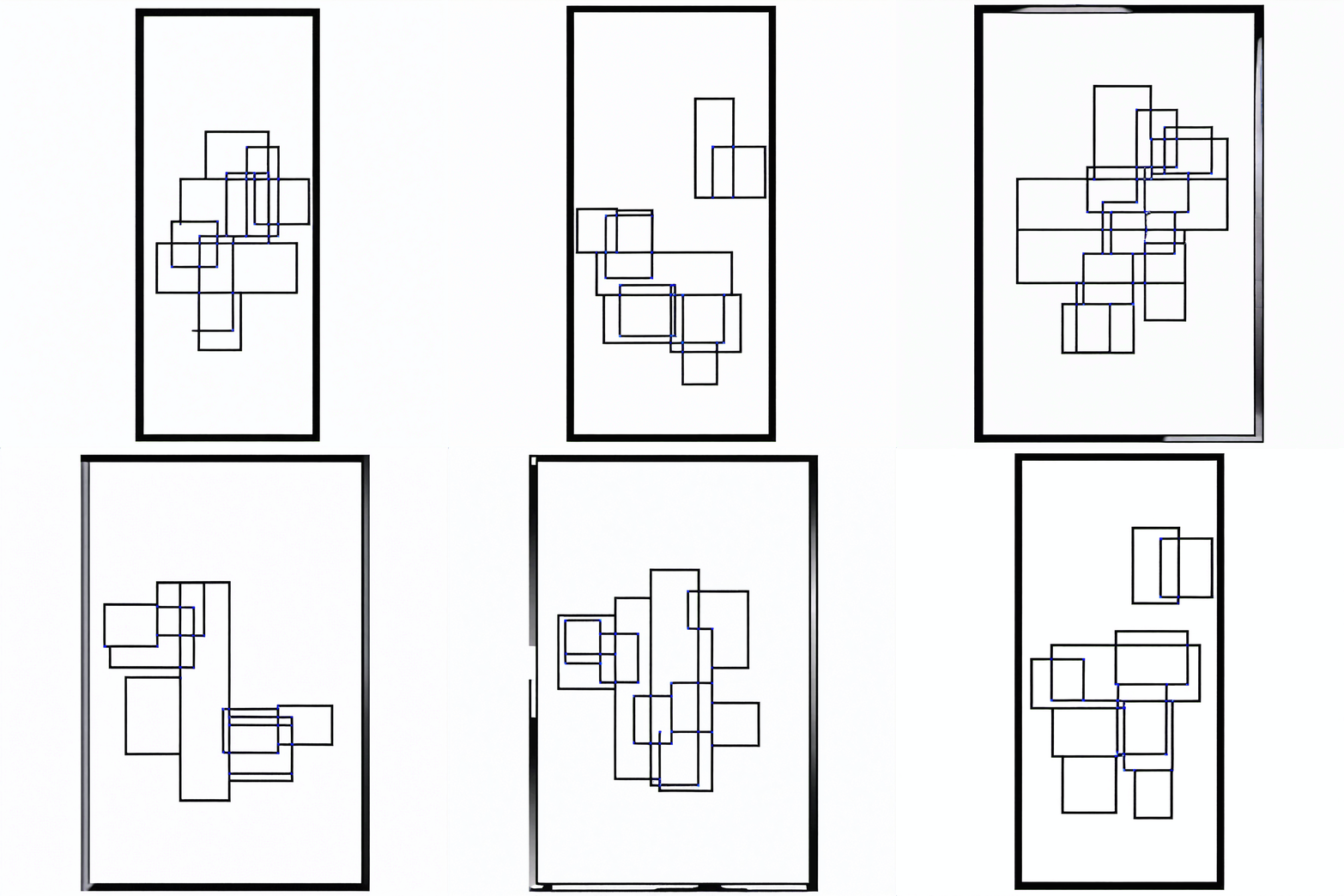
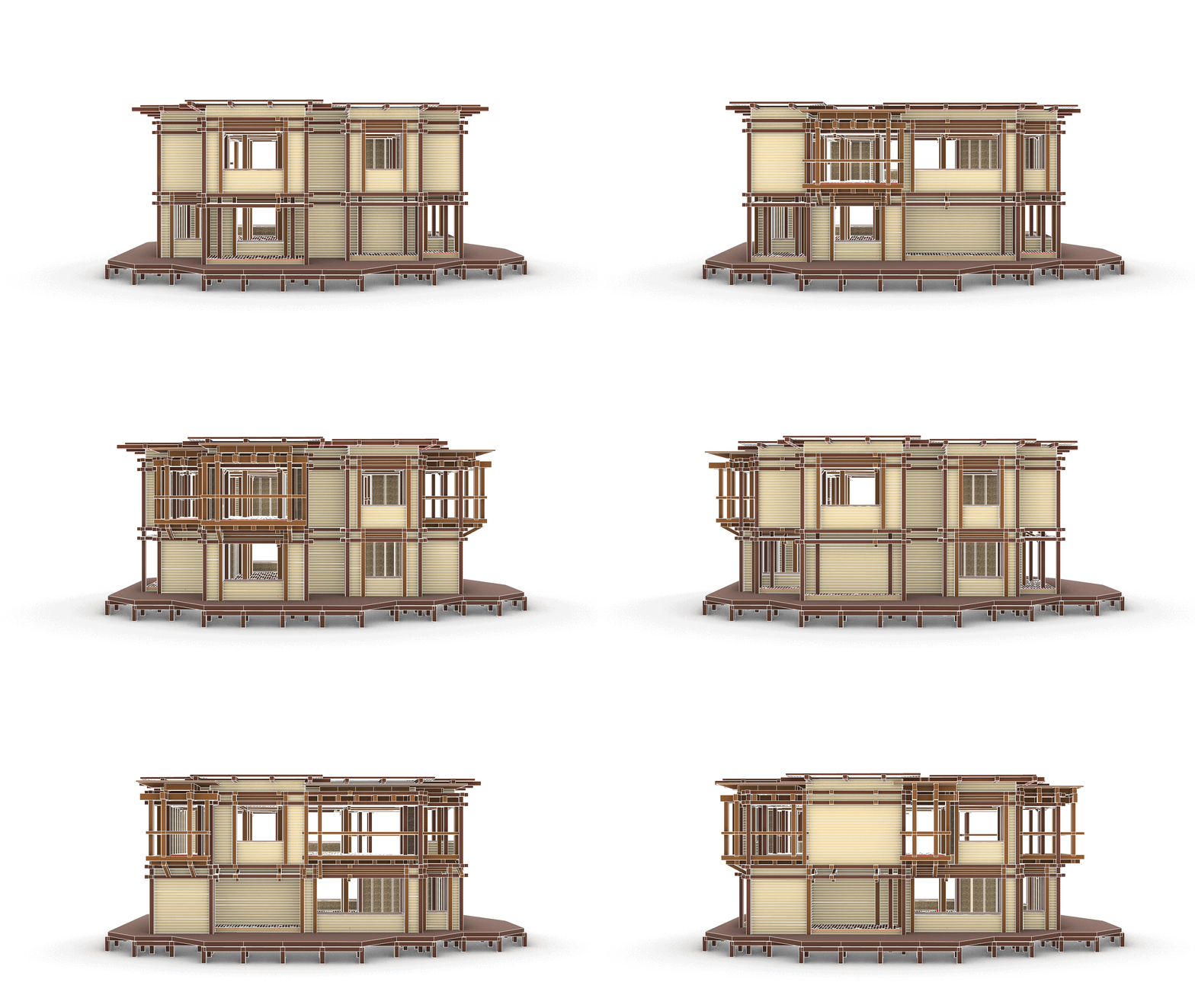
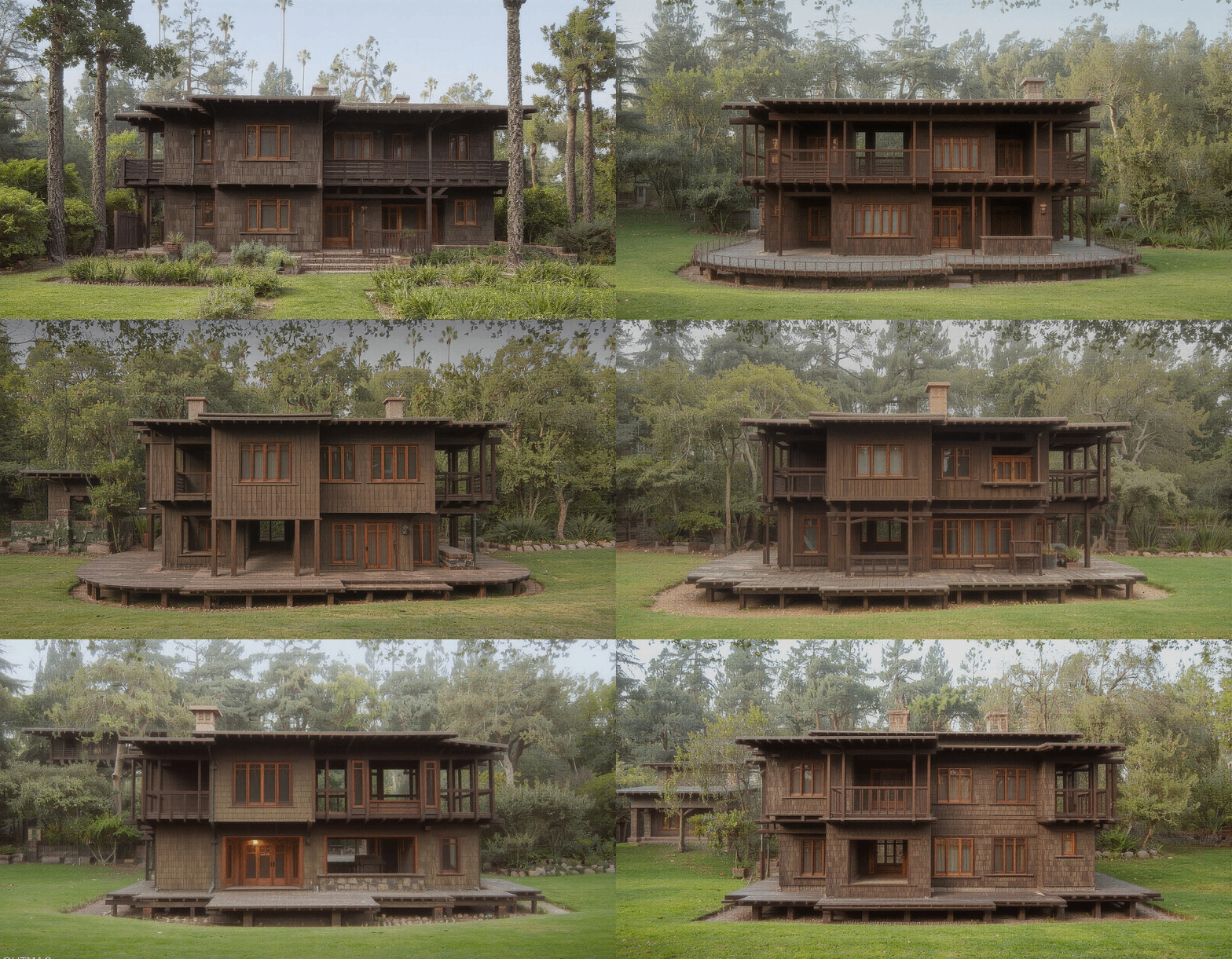
Artificial Craftsmanship brings the bungalow back into the 21st century without losing what made it meaningful in the first place. it marries the spirit of Arts & Crafts handwork with today’s AI and digital fabrication technologies.
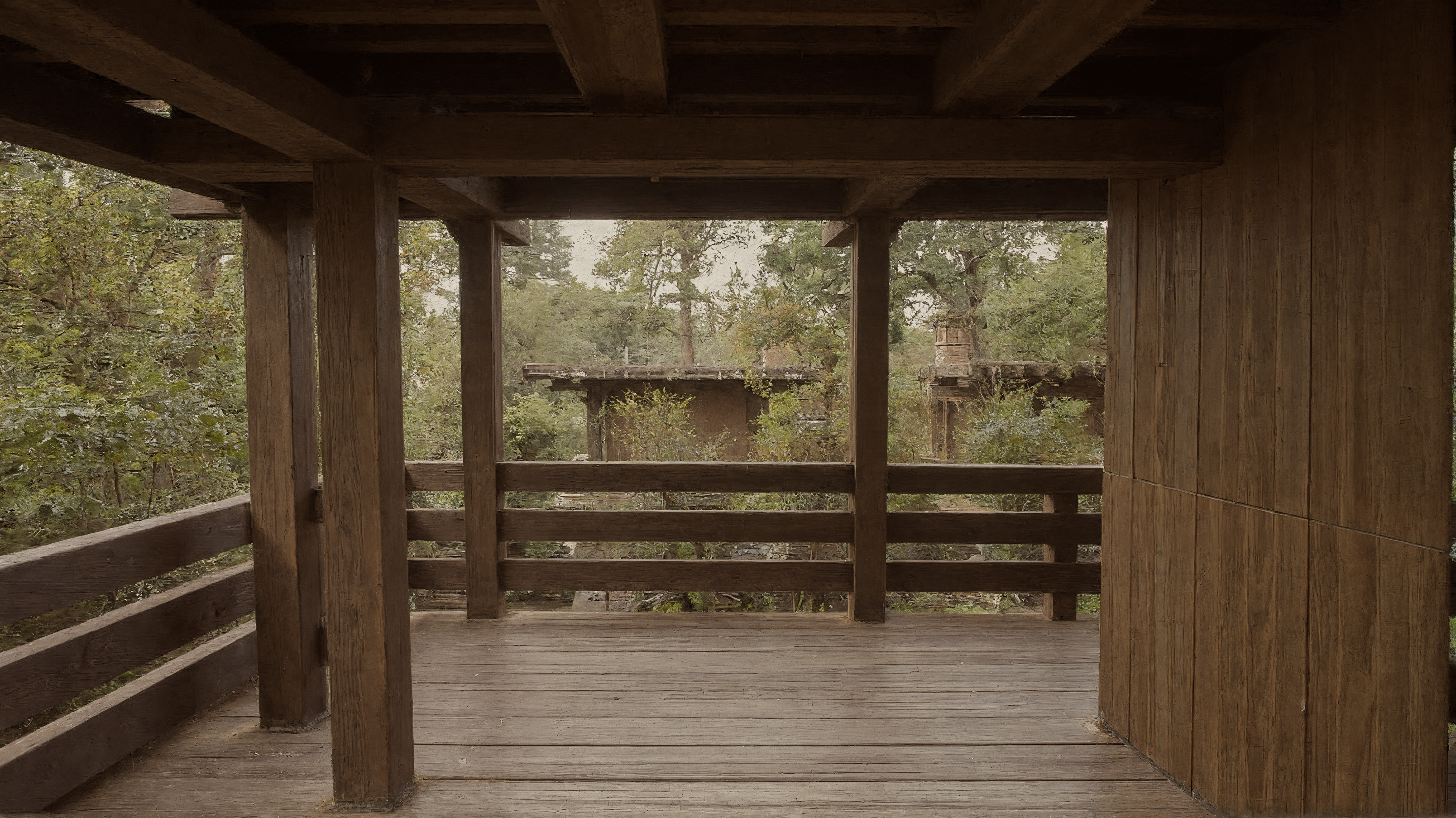
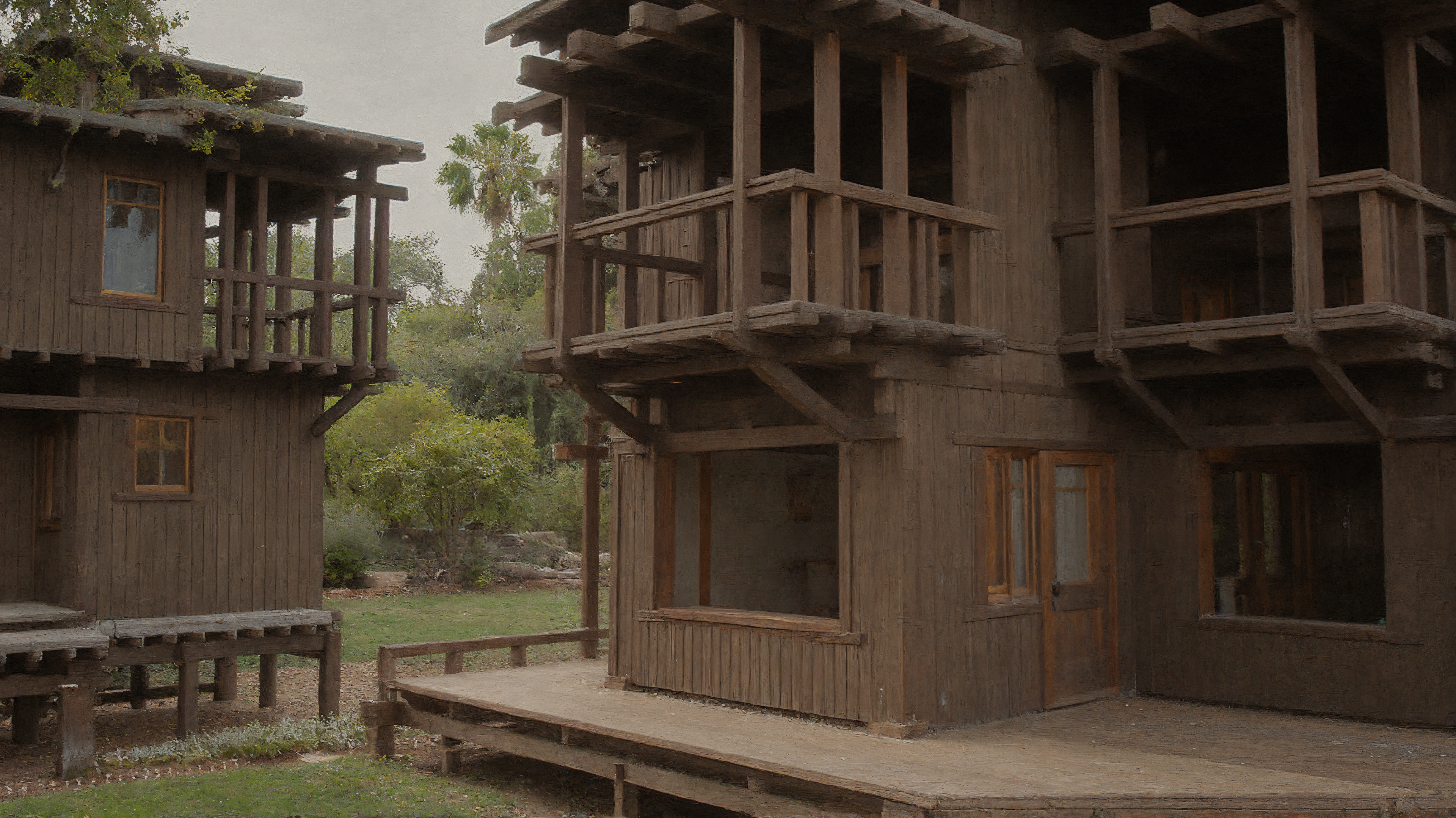
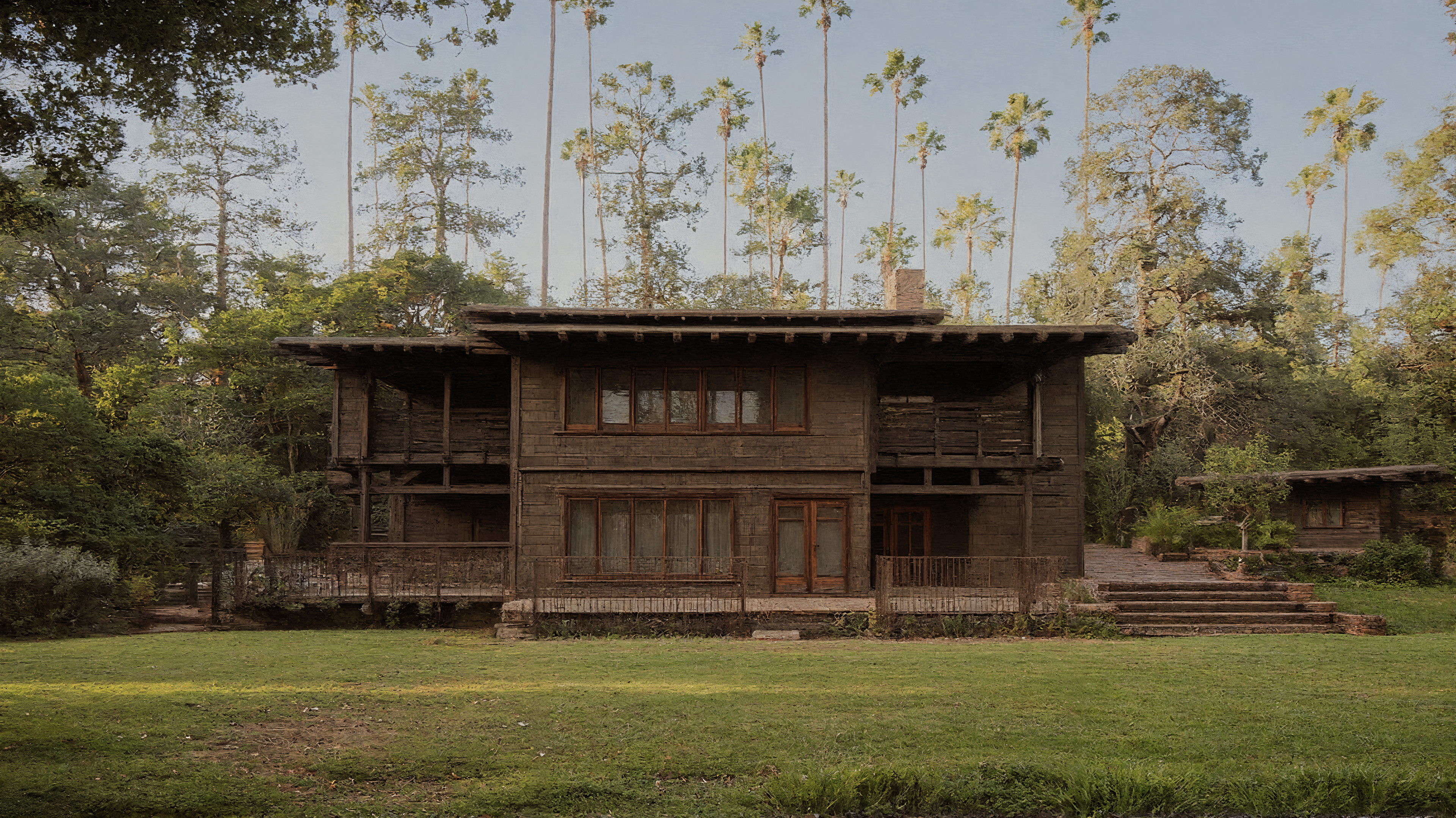
By harnessing machine precision to reproduce handcrafted nuance, this approach ensures that no two homes are identical, yet all share a coherent design language. The bungalow is reborn as a 21st-century time machine of wood—rooted in tradition, propelled by technology, and delivered at accessible cost.
In an age when connection to family, history, and nature grows more precious, Artificial Craftsmanship offers a path to homes that honor the past, delight the present, and stand firmly built for the future.



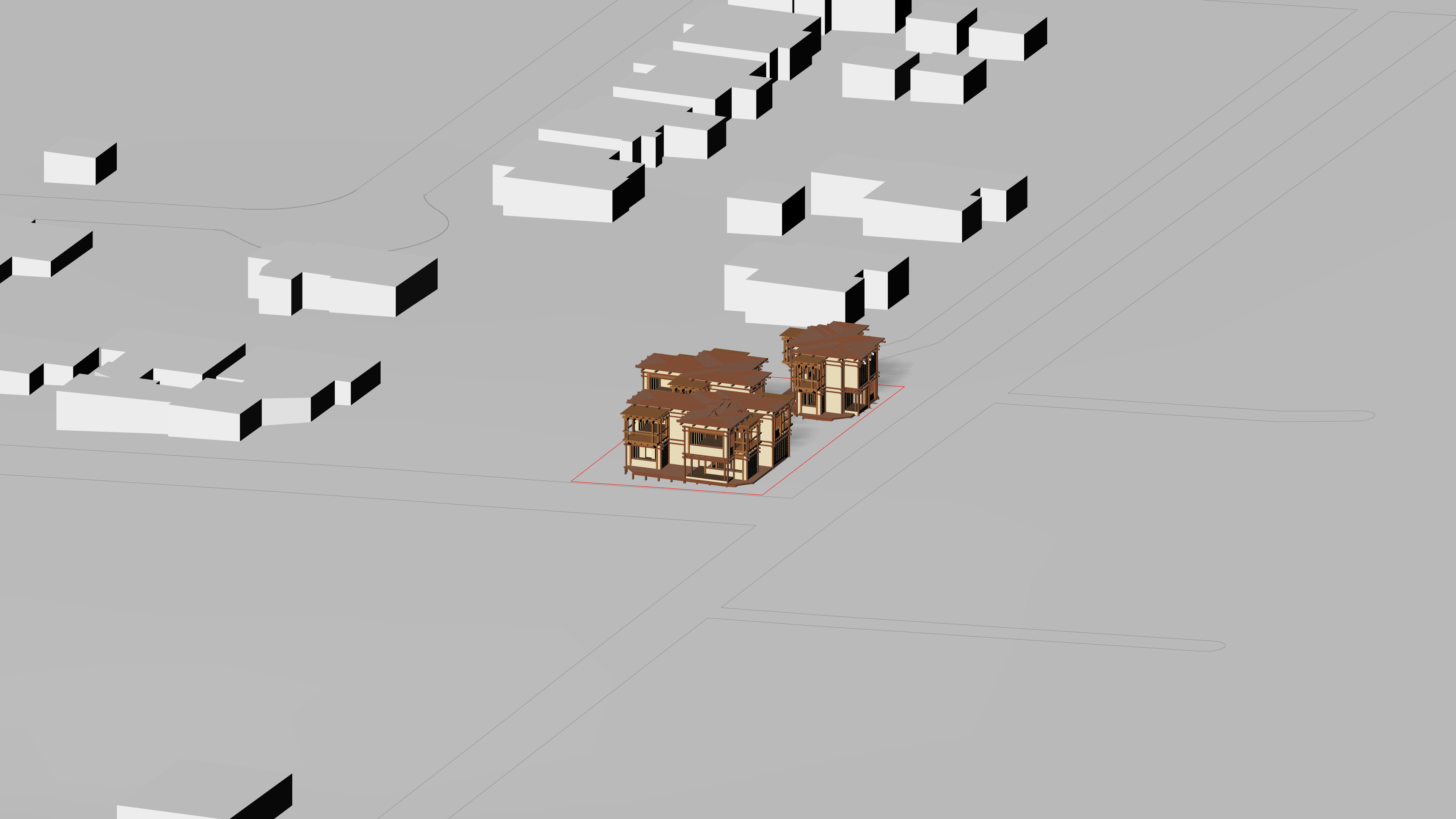
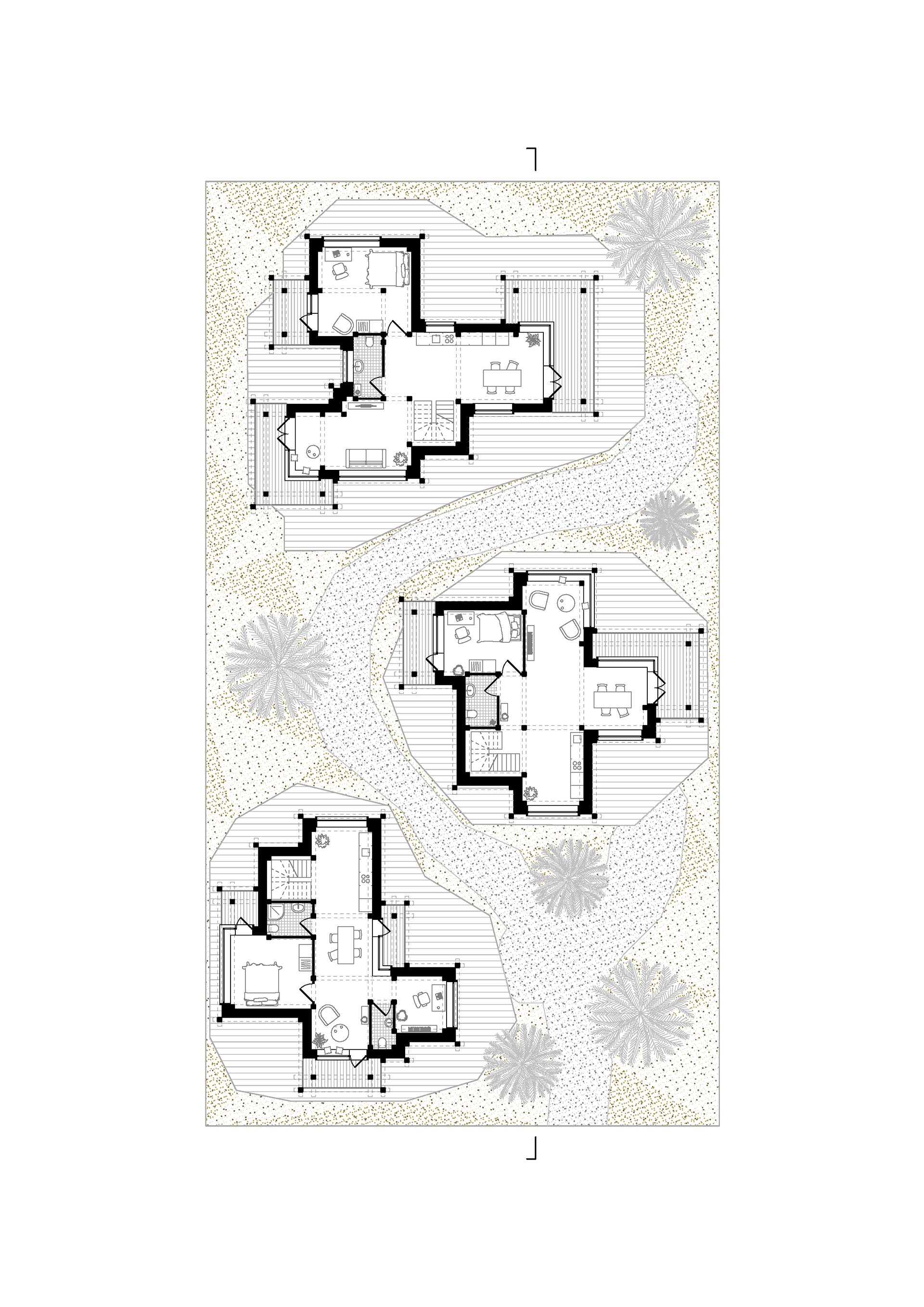
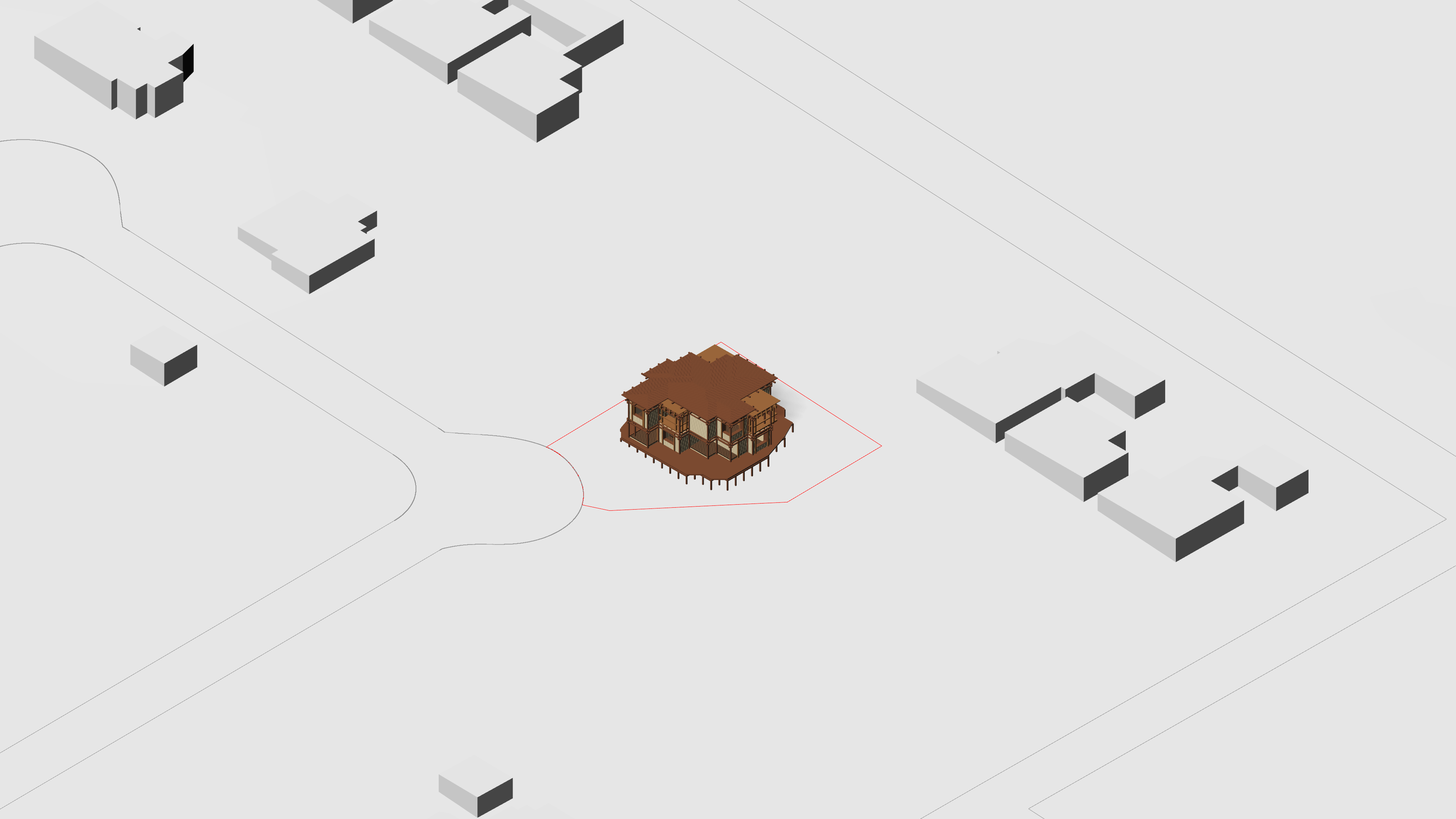
On Site #1
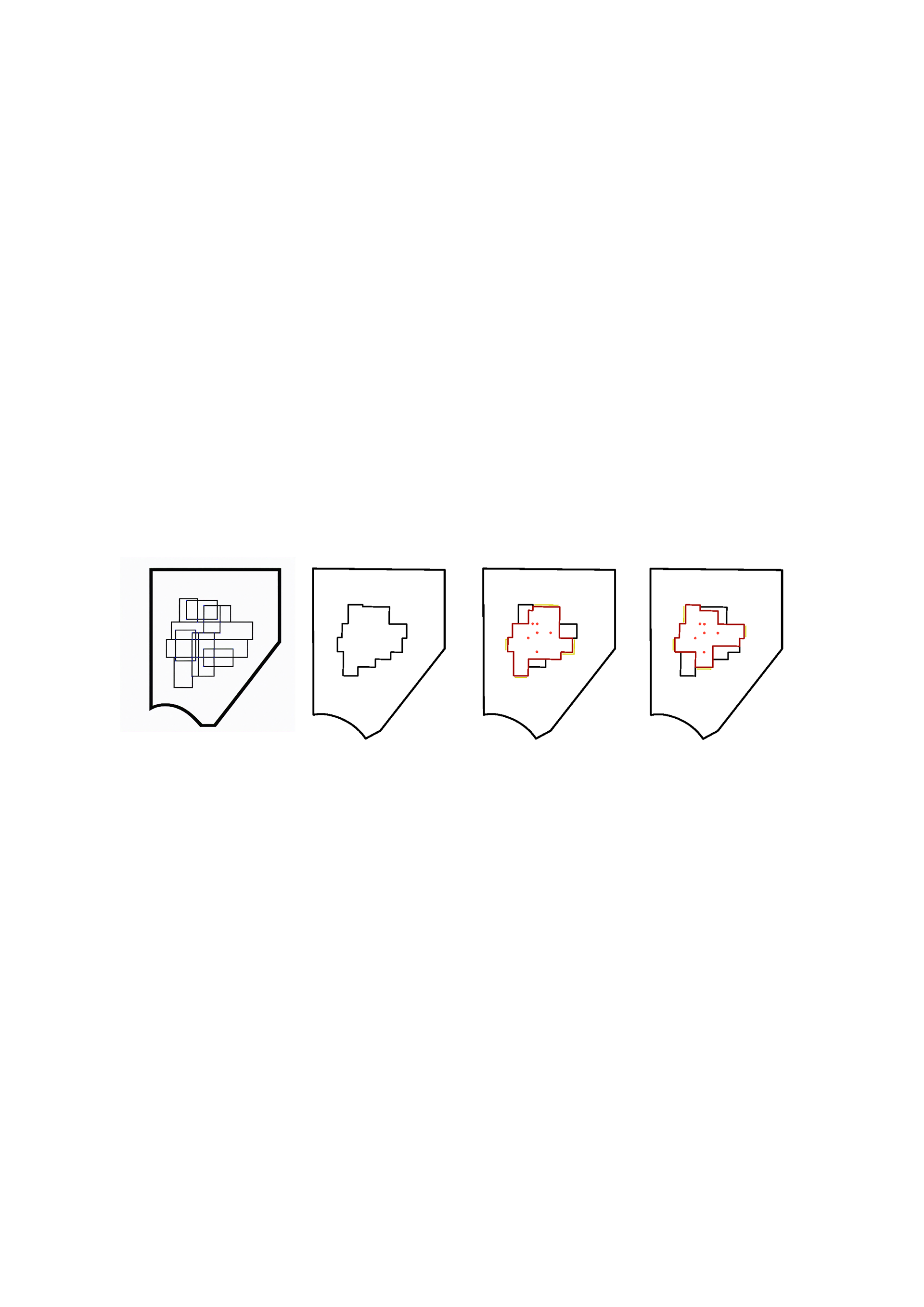
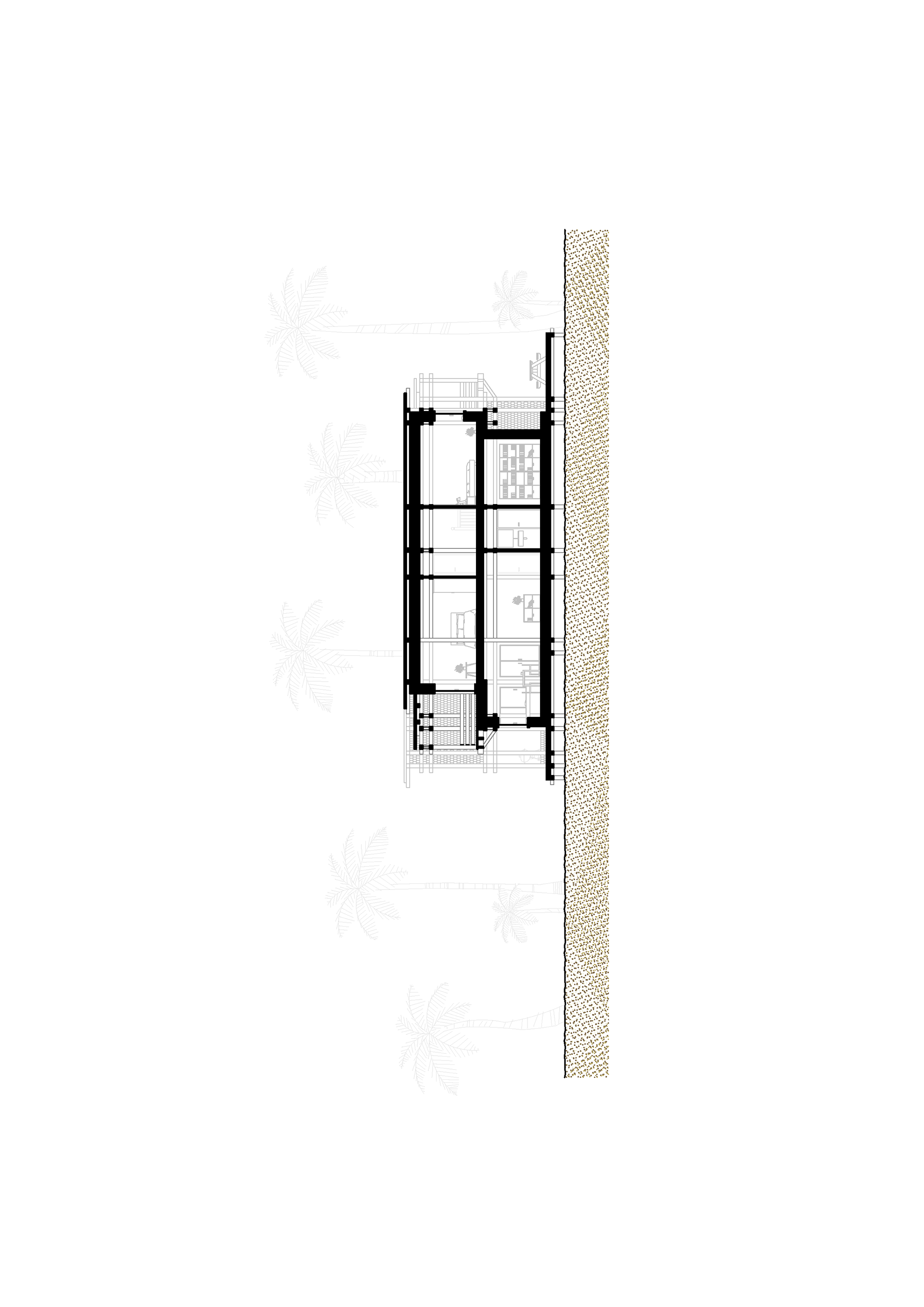
On Site #2
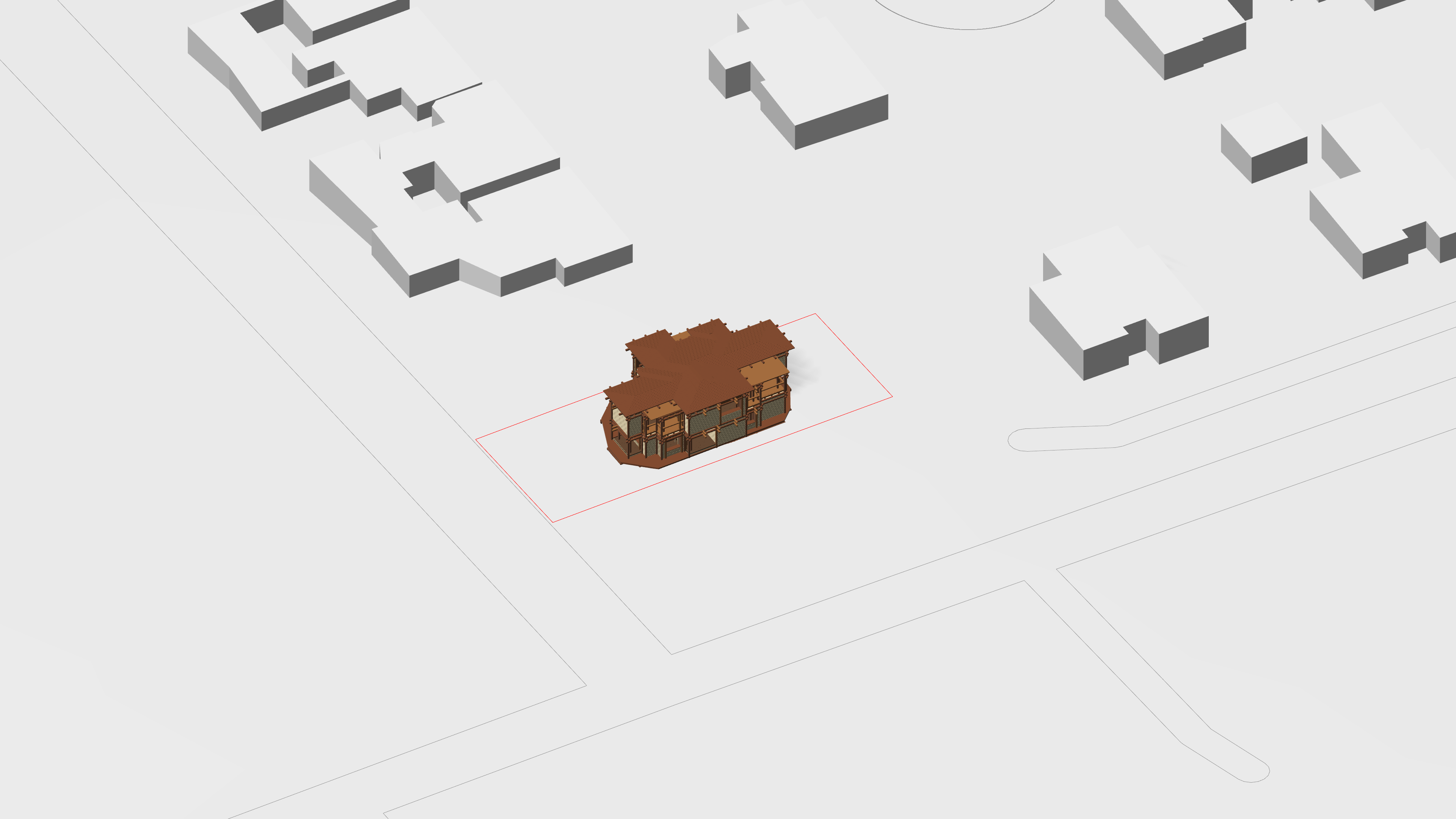
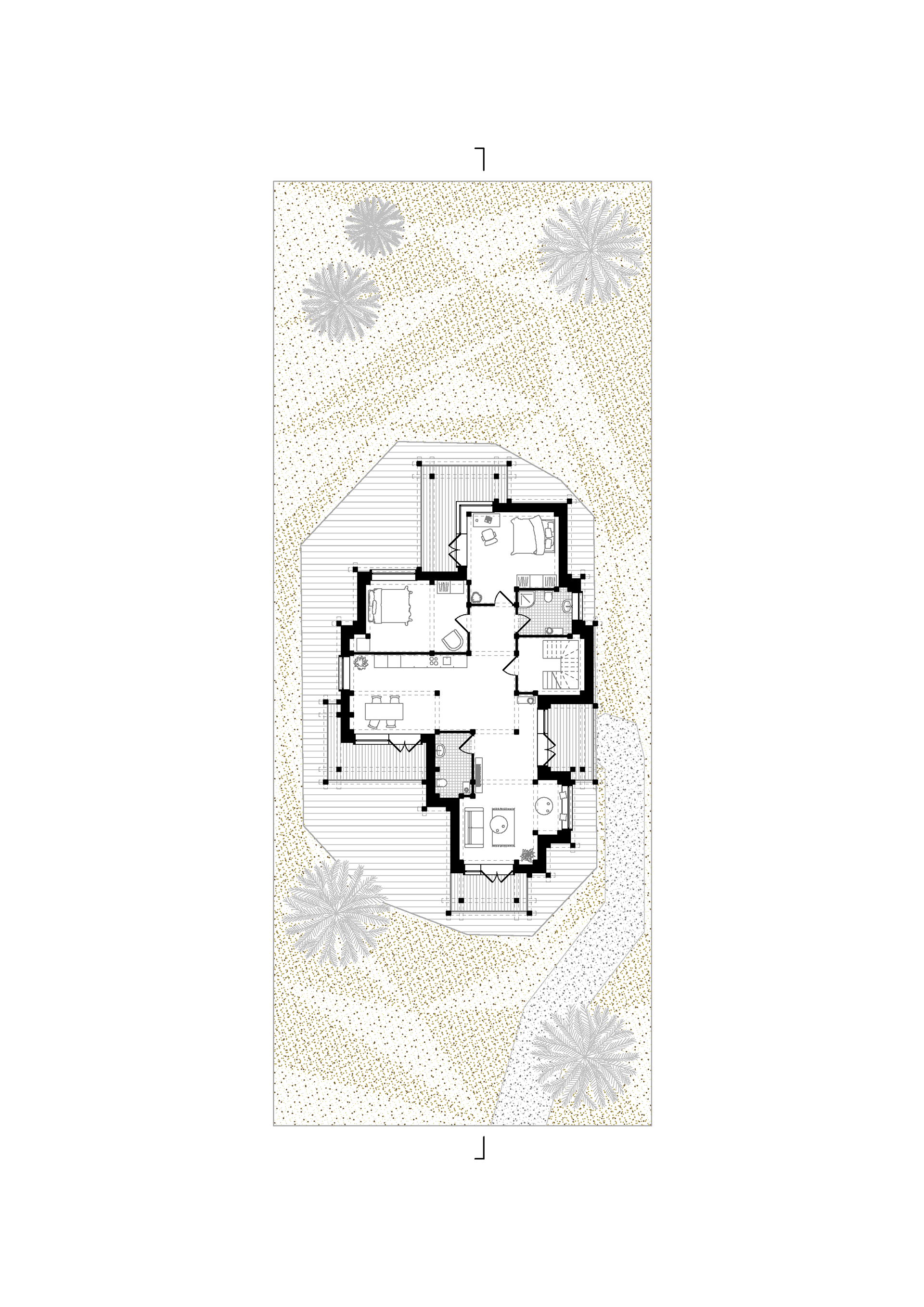
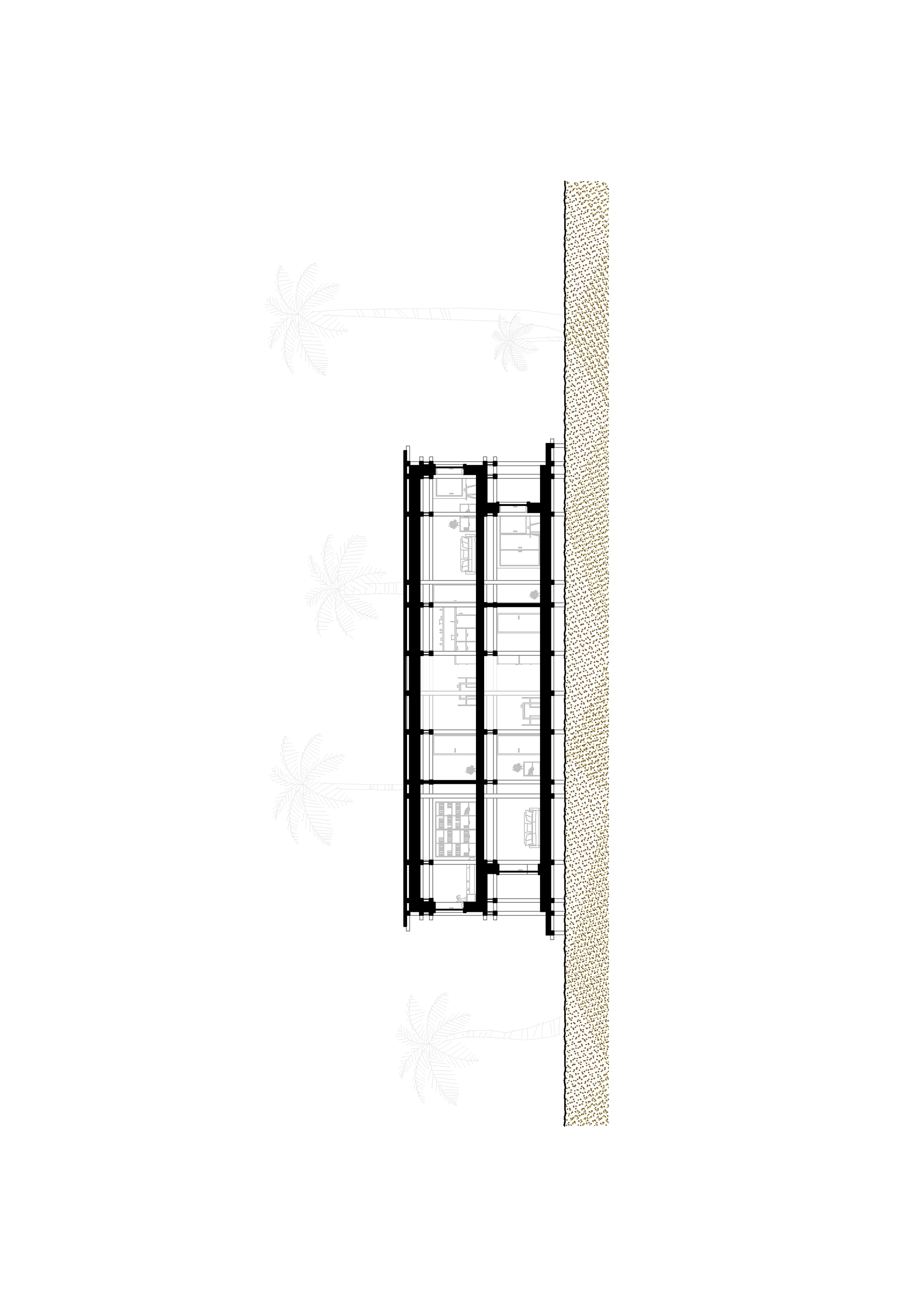
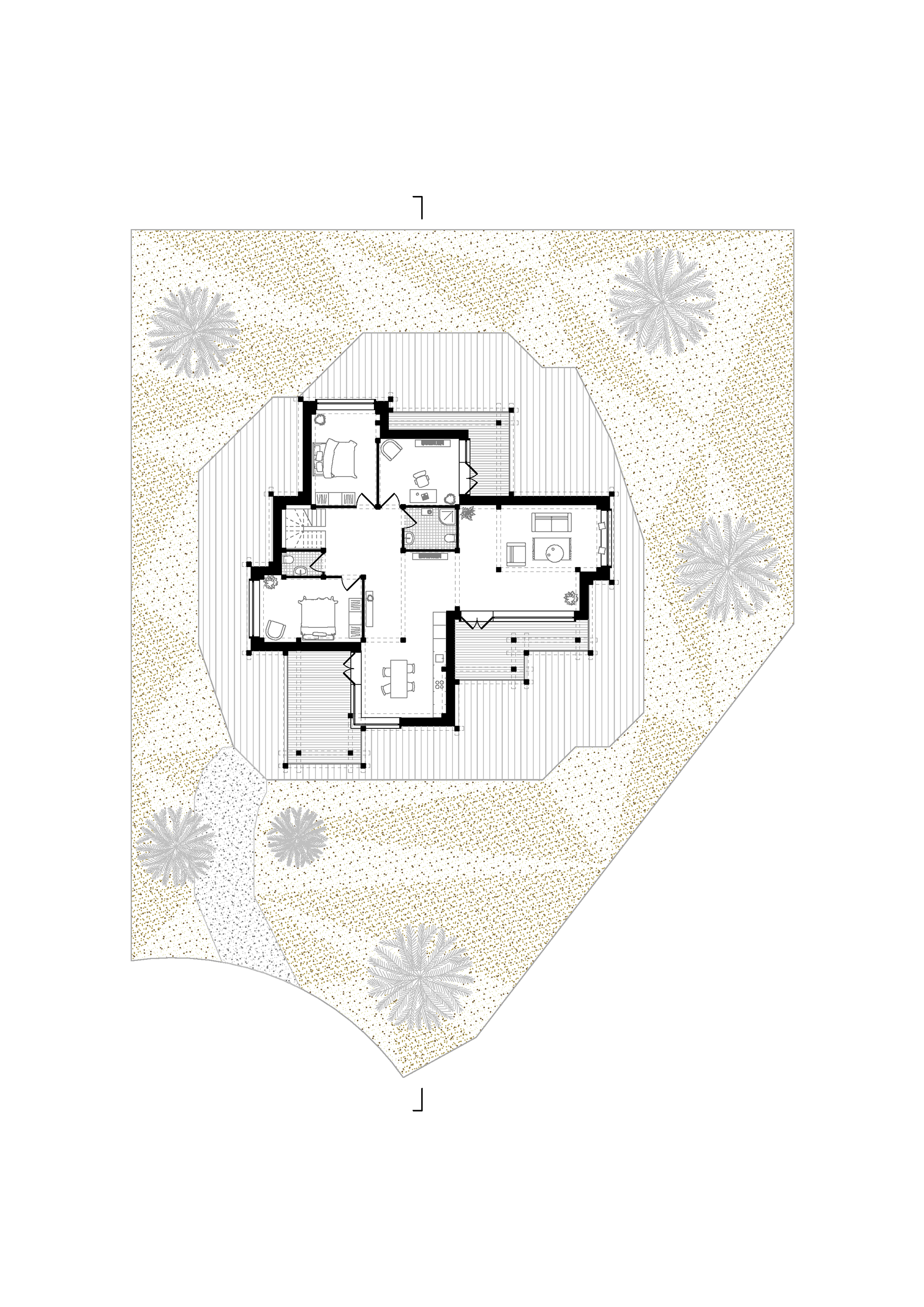
On Site #3