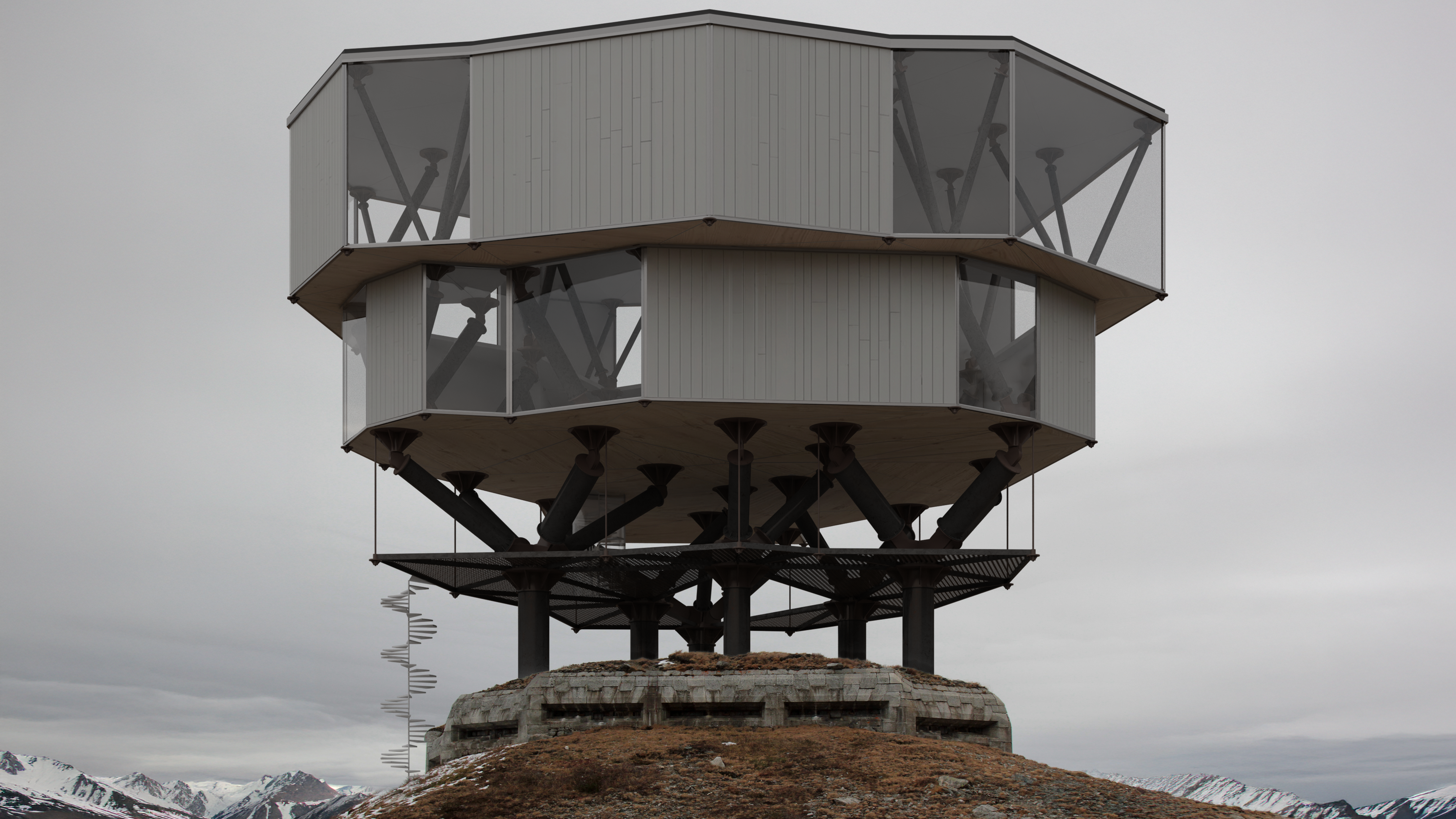
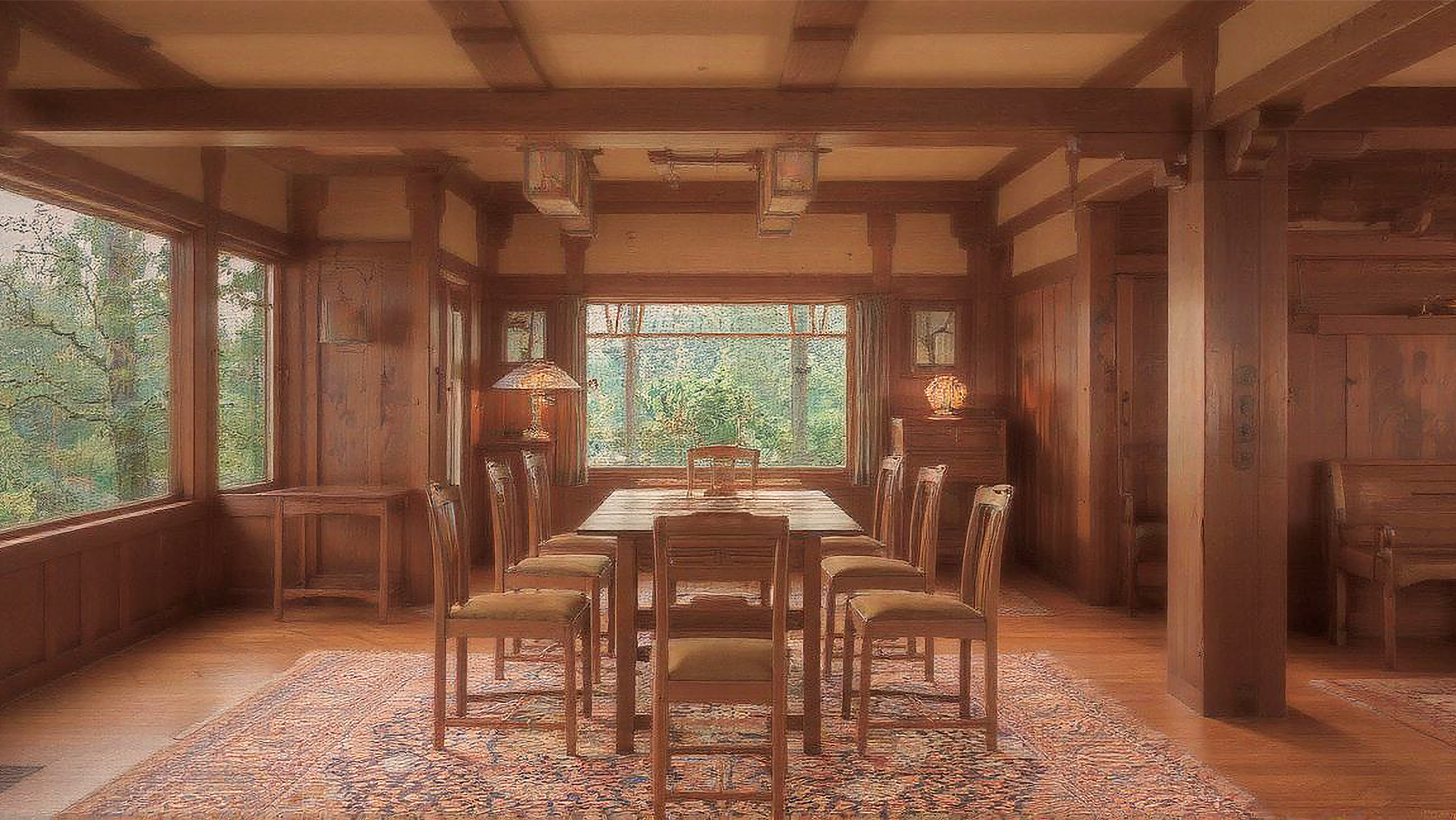
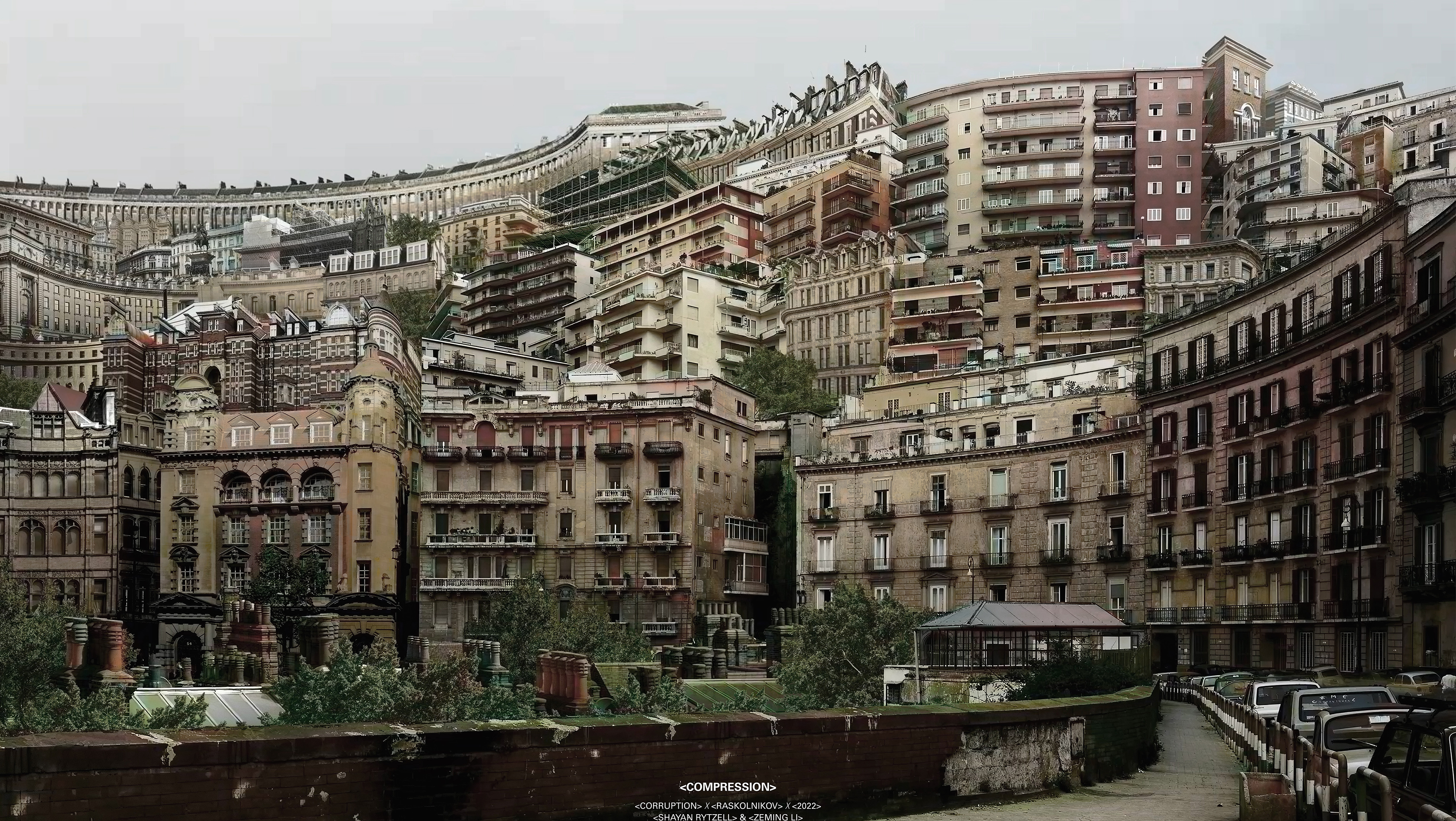
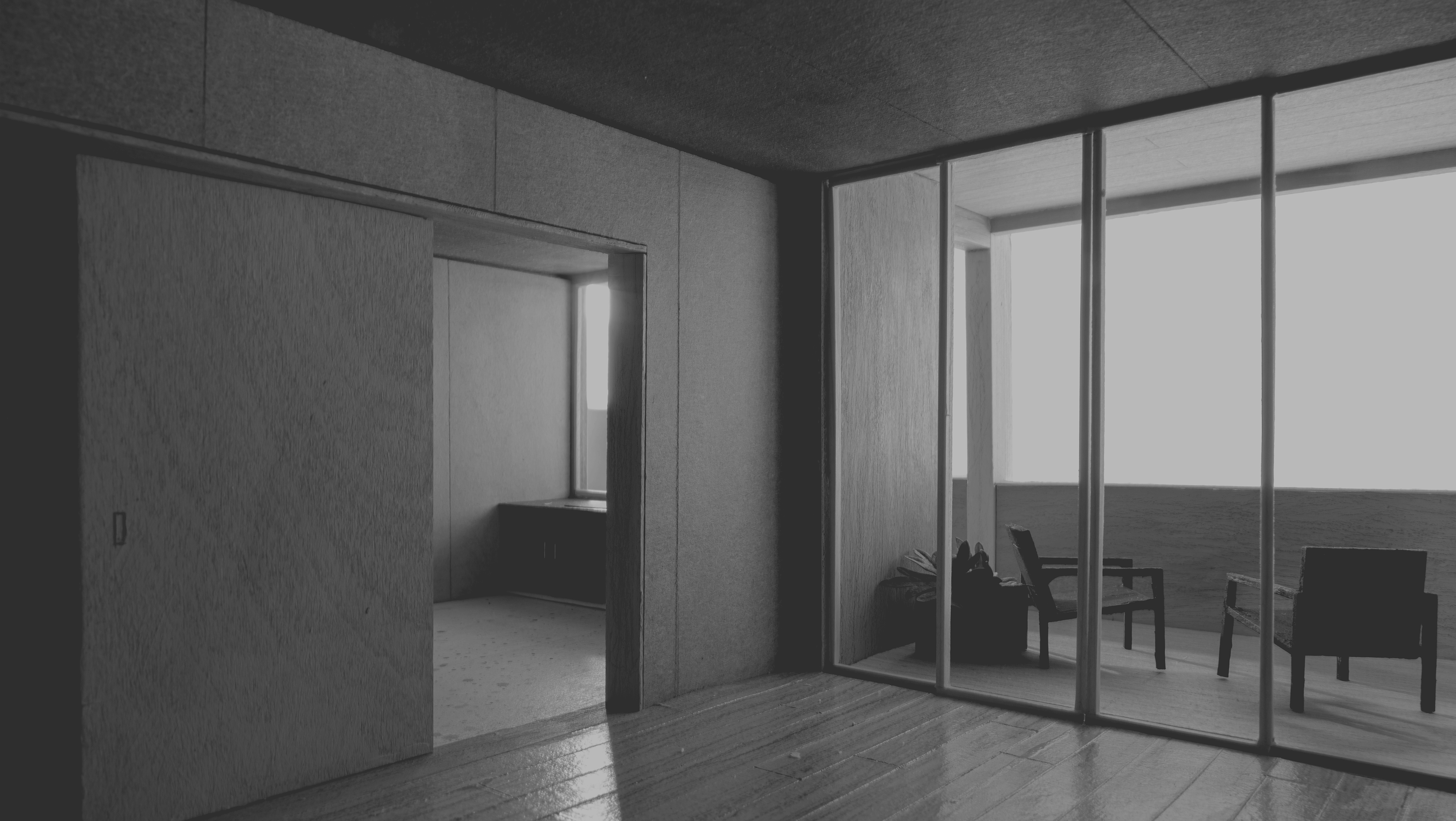
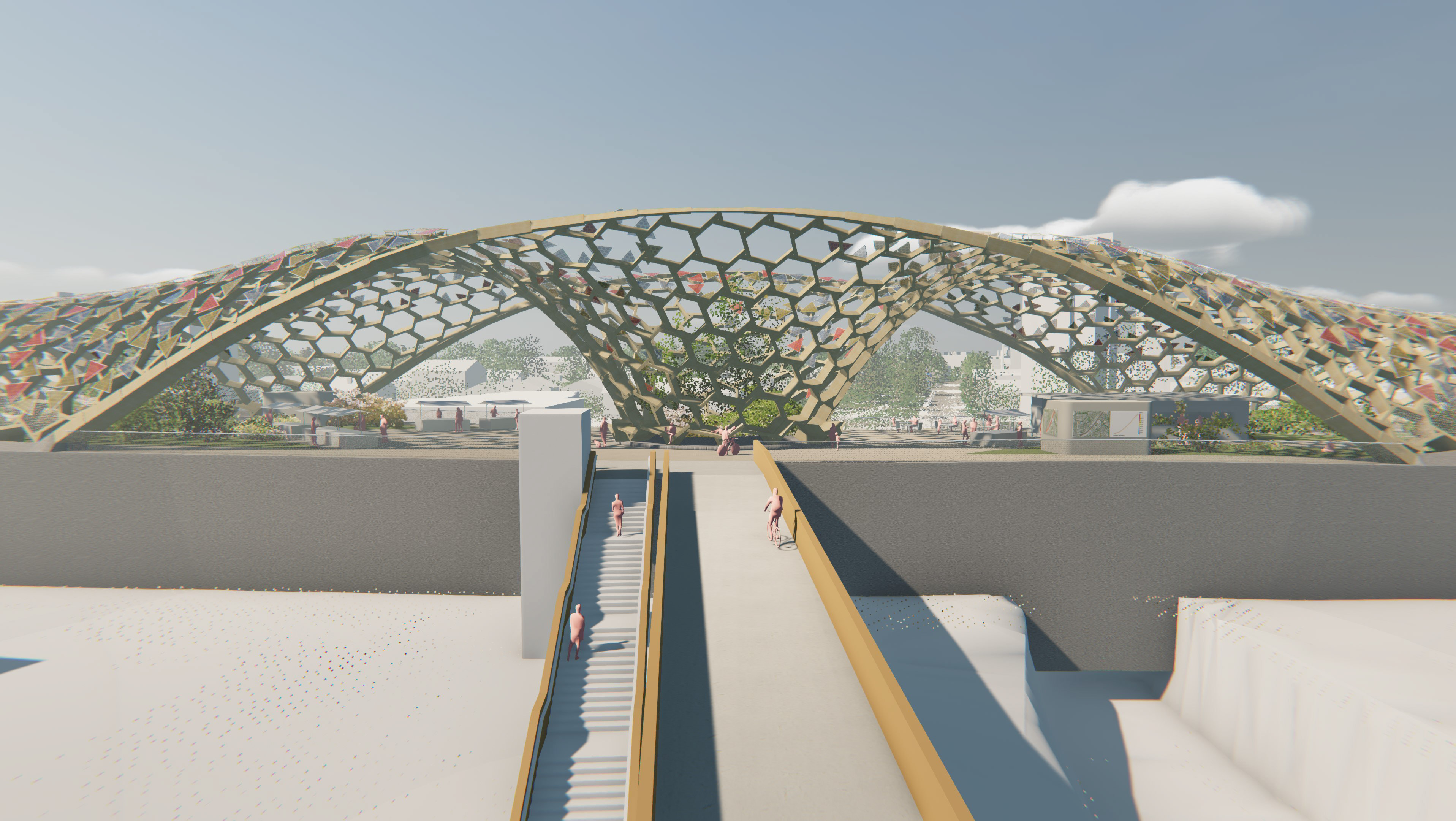
meteora s11 light - hs24 - zeming li, robin schärer
Design studio with prof. ludger hovestadt, miro roman, adil bokhari
department architecture, ethz
original blog
Trailer
what happened?
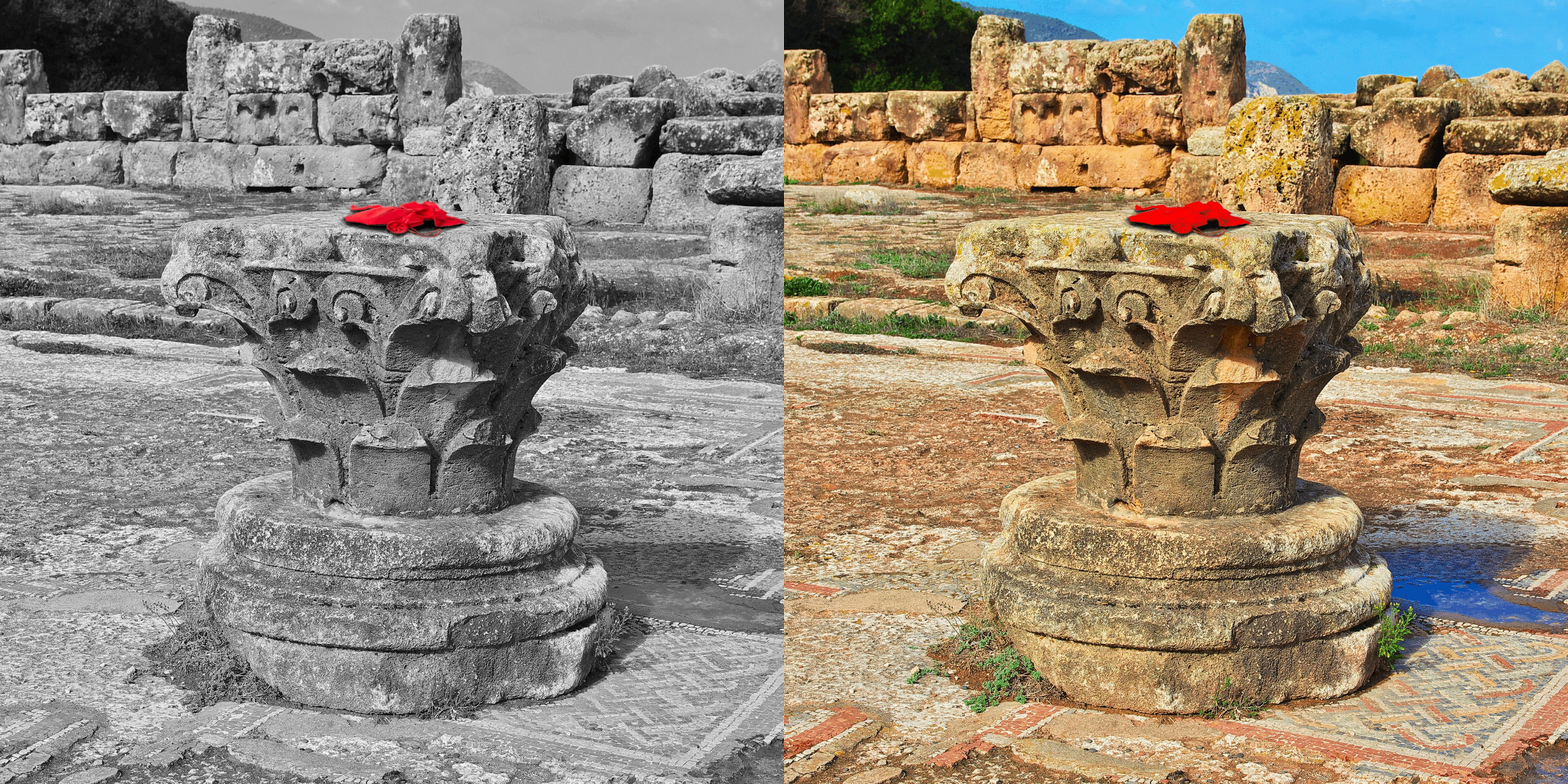
I AM the ruin in Tipasa, carved by winds older than memory and warmed by a thousand forgotten suns. I have stood through centuries, touched by hands long turned to dust, each crack in my stones holding the stories of those who came to marvel, to mourn, to belong. Stillness clings to my fractured arches, and I recall that “attention is the beginning of devotion”[1], the quiet regard that turns silence into understanding.
Once, I was a place of reverence, a stage where light and shadow danced their timeless dance. My worn stones bore the weight of prayers rising with the morning light. As centuries flowed past, I learned that “yesterday is but today’s memory, and tomorrow is today’s dream”[2], that all who passed through me carried hopes as fragile as the dawn, leaving their whispers etched in my walls. their faith and longing shaped me more than any chisel, for I have never been untouched by the human heart’s desire.
Now I am less a place than a presence, a bridge between what is seen and what is felt. I carry no certainties, only questions. Who came before? What did they seek? Did they find it here, in the way light filters through a broken arch, or in the hush that still hums beneath fallen roofs? I do not mourn my decay; there is honesty in my brokenness and a strange vitality in my emptiness. I stand here still, not demanding preservation but inviting reverence, waiting for those who linger long enough to sense the breath of lives long gone yet somehow still near. I am not gone - I am becoming.
Once, I was a place of reverence, a stage where light and shadow danced their timeless dance. My worn stones bore the weight of prayers rising with the morning light. As centuries flowed past, I learned that “yesterday is but today’s memory, and tomorrow is today’s dream”[2], that all who passed through me carried hopes as fragile as the dawn, leaving their whispers etched in my walls. their faith and longing shaped me more than any chisel, for I have never been untouched by the human heart’s desire.
Now I am less a place than a presence, a bridge between what is seen and what is felt. I carry no certainties, only questions. Who came before? What did they seek? Did they find it here, in the way light filters through a broken arch, or in the hush that still hums beneath fallen roofs? I do not mourn my decay; there is honesty in my brokenness and a strange vitality in my emptiness. I stand here still, not demanding preservation but inviting reverence, waiting for those who linger long enough to sense the breath of lives long gone yet somehow still near. I am not gone - I am becoming.
[1] Mary Oliver, Upstream; [2] Kahlil Gibran, The Prophet
what’s next?
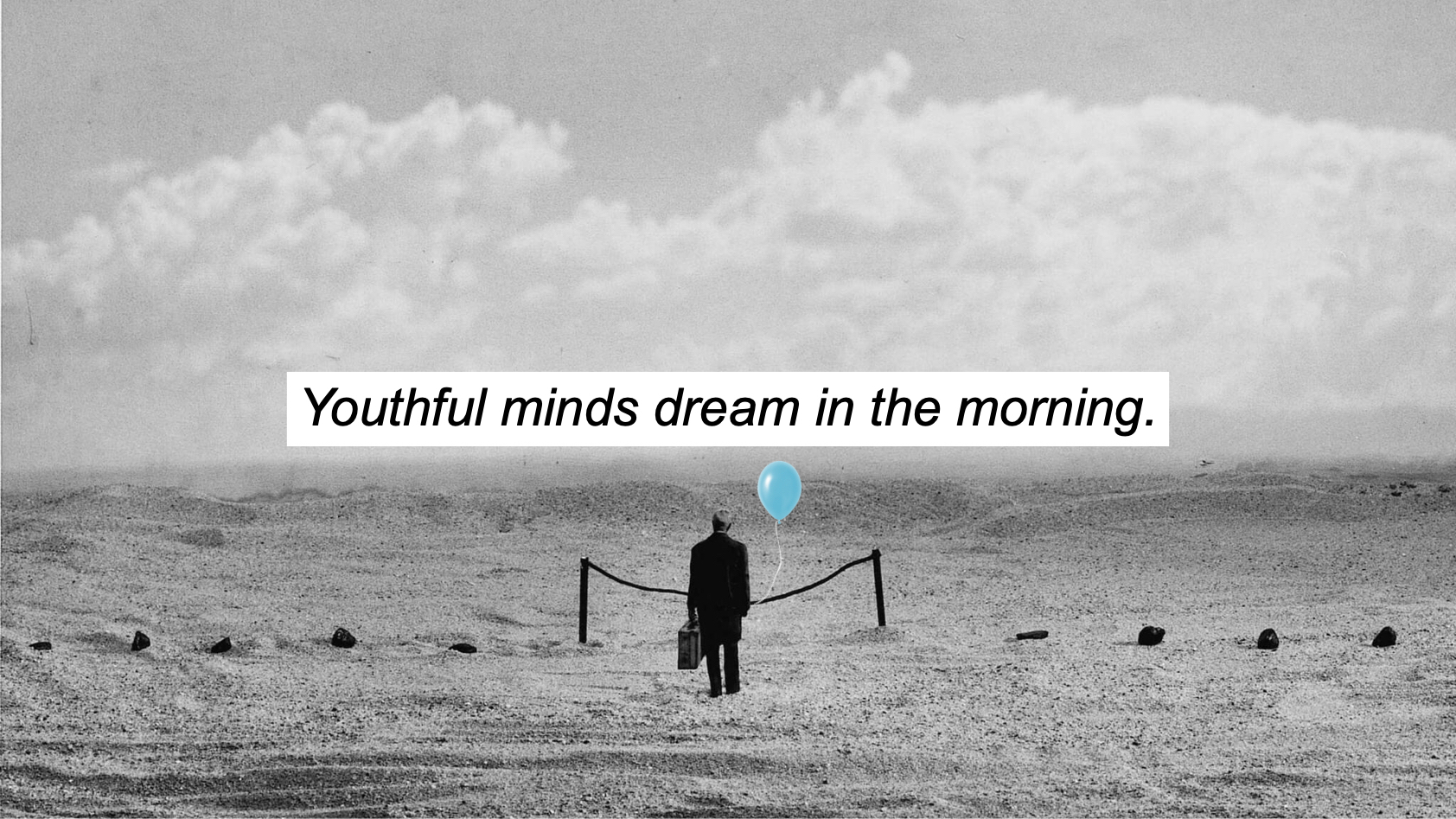
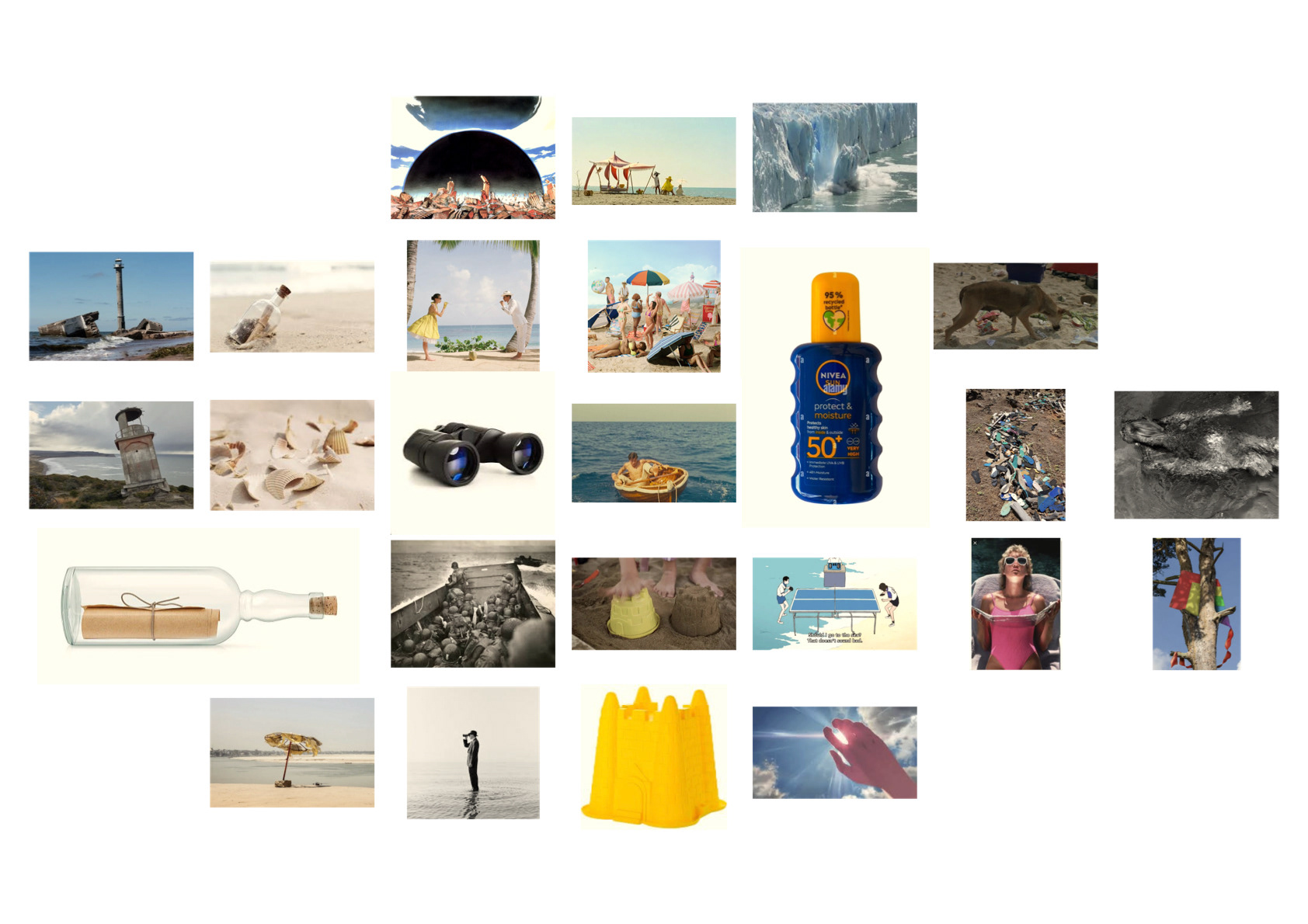
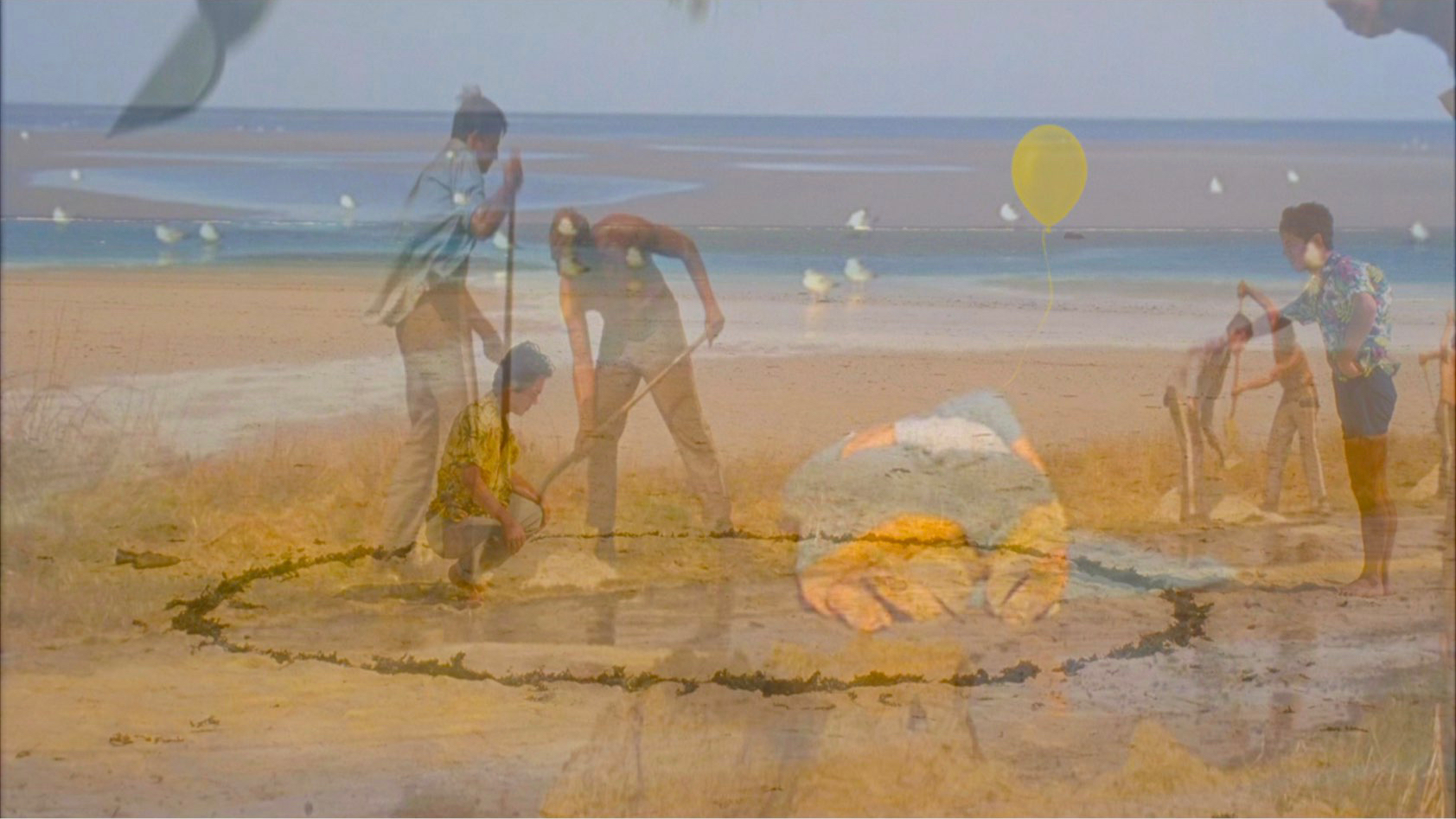
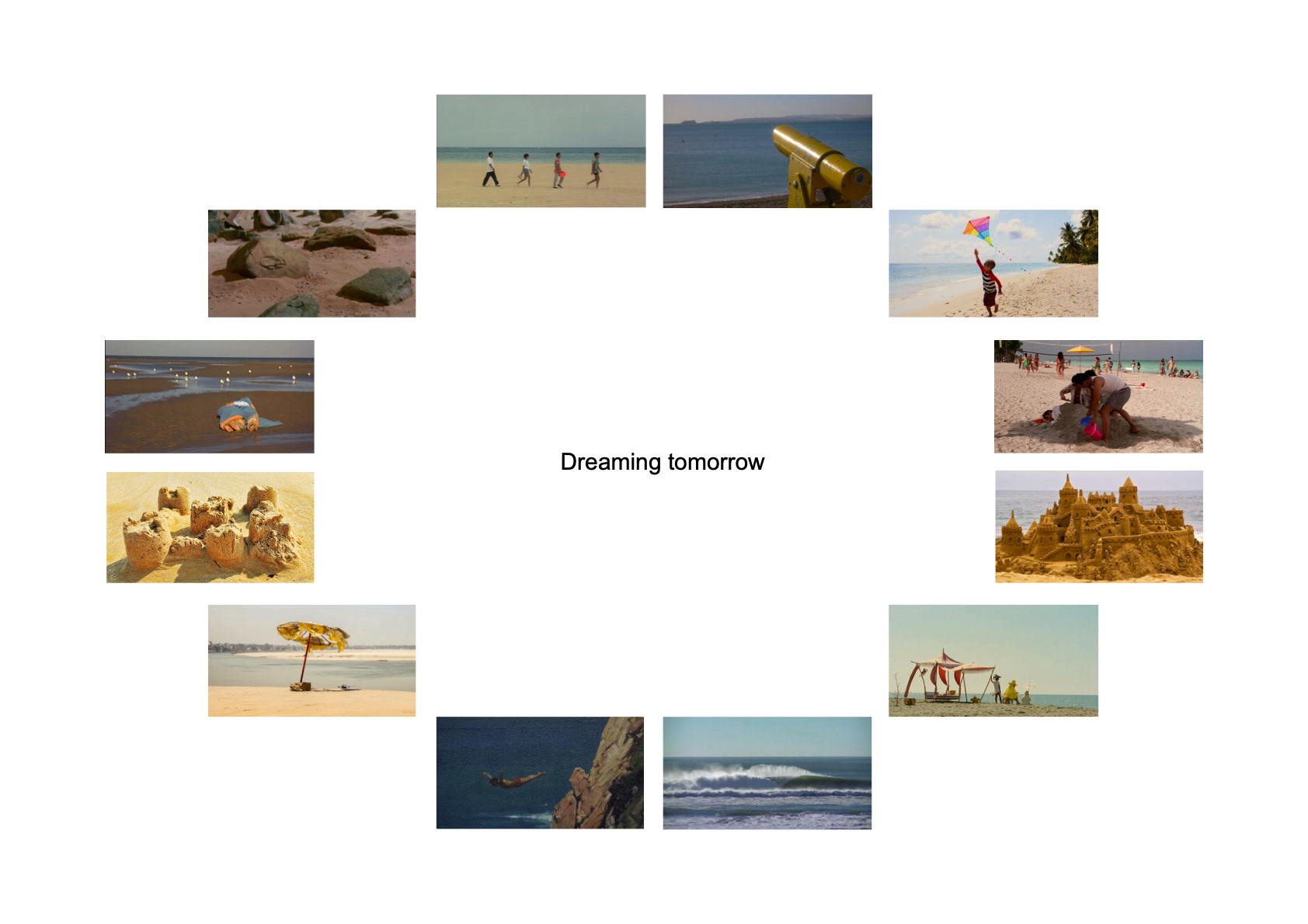
The morning sun stretches across the beach, where the horizon blurs the line between what is and what could be. Here, sand becomes a fleeting canvas, shaped and reshaped by hands eager to create something, anything, even knowing the tide will come.
“It’s only after we’ve lost everything that we’re free to do anything.”[1] Each sandcastle built carries the weight of a quiet promise: to try again, to begin anew. “The result is not the process”[2], and yet the process itself is all that matters.
On the cliffs above, below kites that swirl like dreams, laughter breaks through the air as bodies leap into the sea below, defying gravity, daring the unknown. The ruin watches without judgment, offering its edges for the bold to climb, to jump, to feel the wind and water cleanse away hesitation.
“Freedom is a noble thing!”[3] - not in permanence, but in the courage to embrace what is temporary and limitless all at once.
[1] Tyler Durden, Fight Club; [2] Braidotti Hlavajova, Posthuman Glossary; [3] Michelet, The History of France Vol. 2
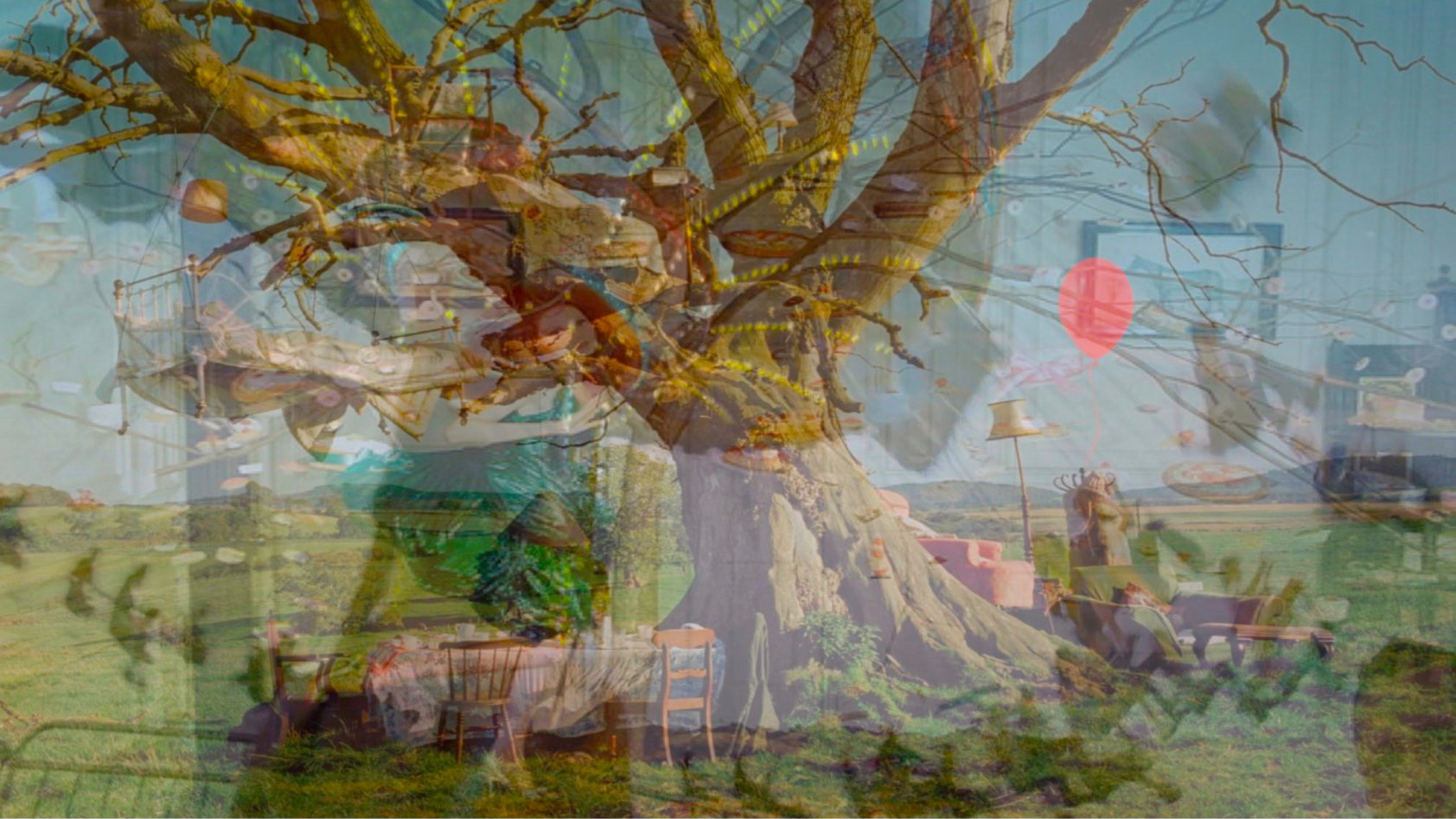
why not?
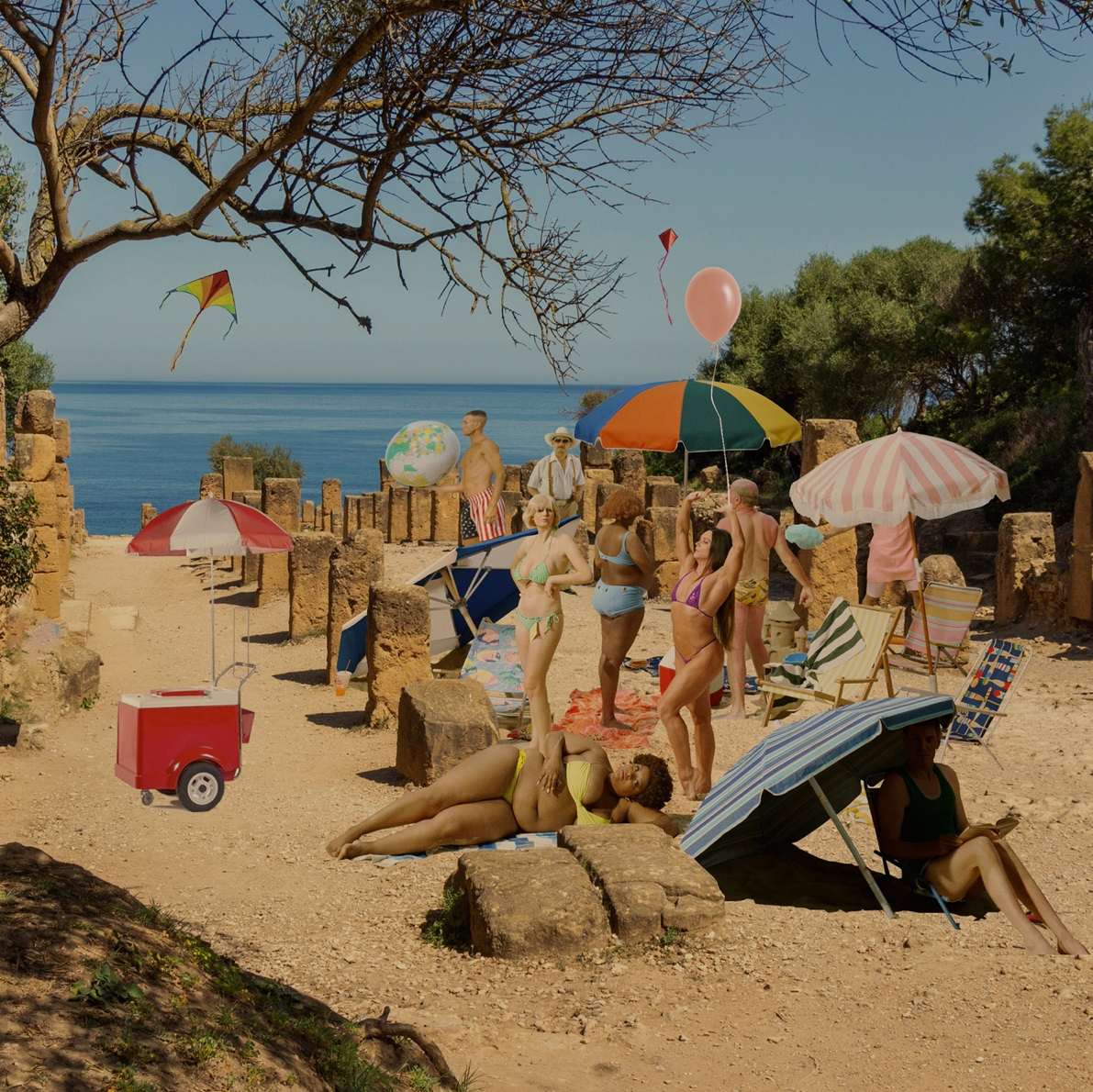
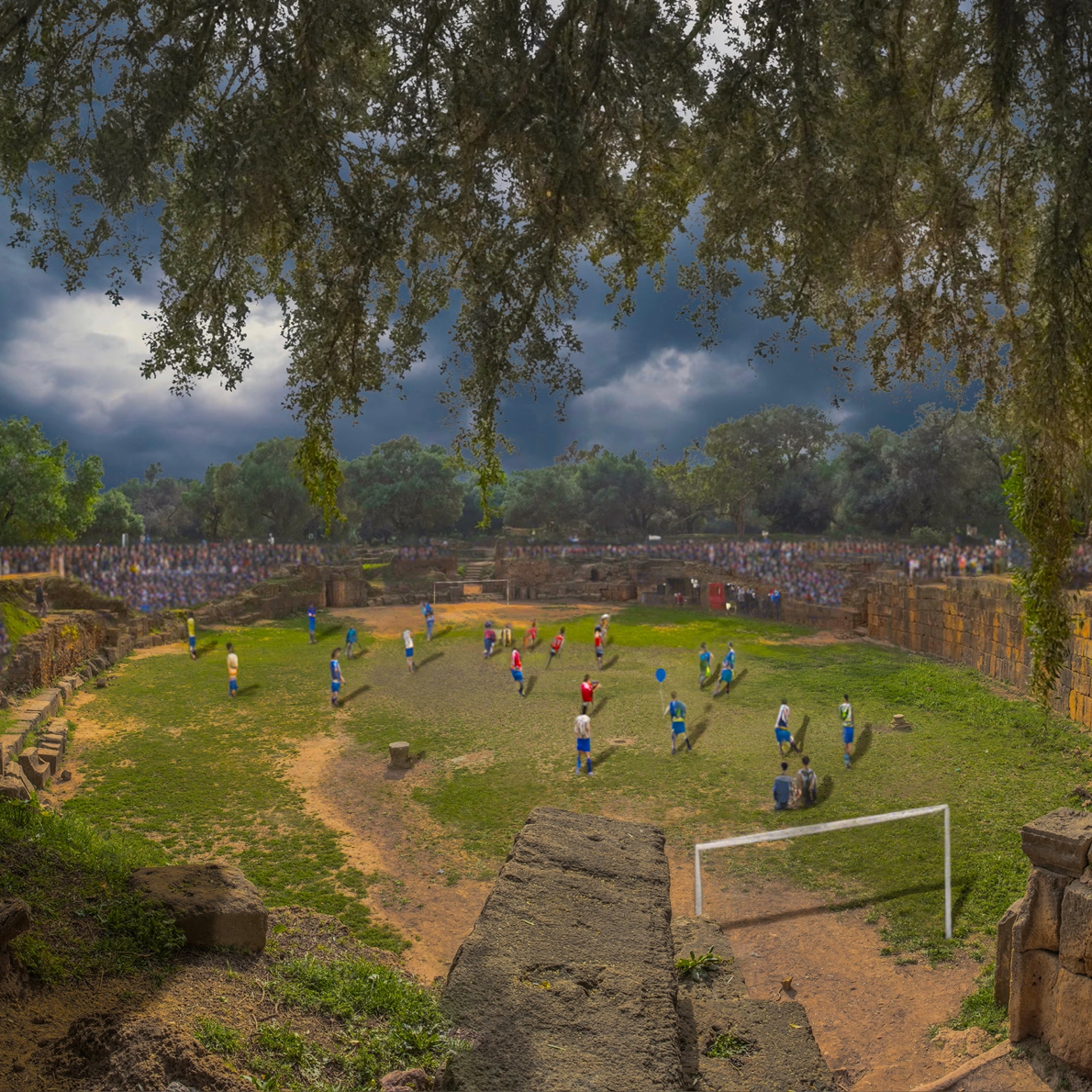
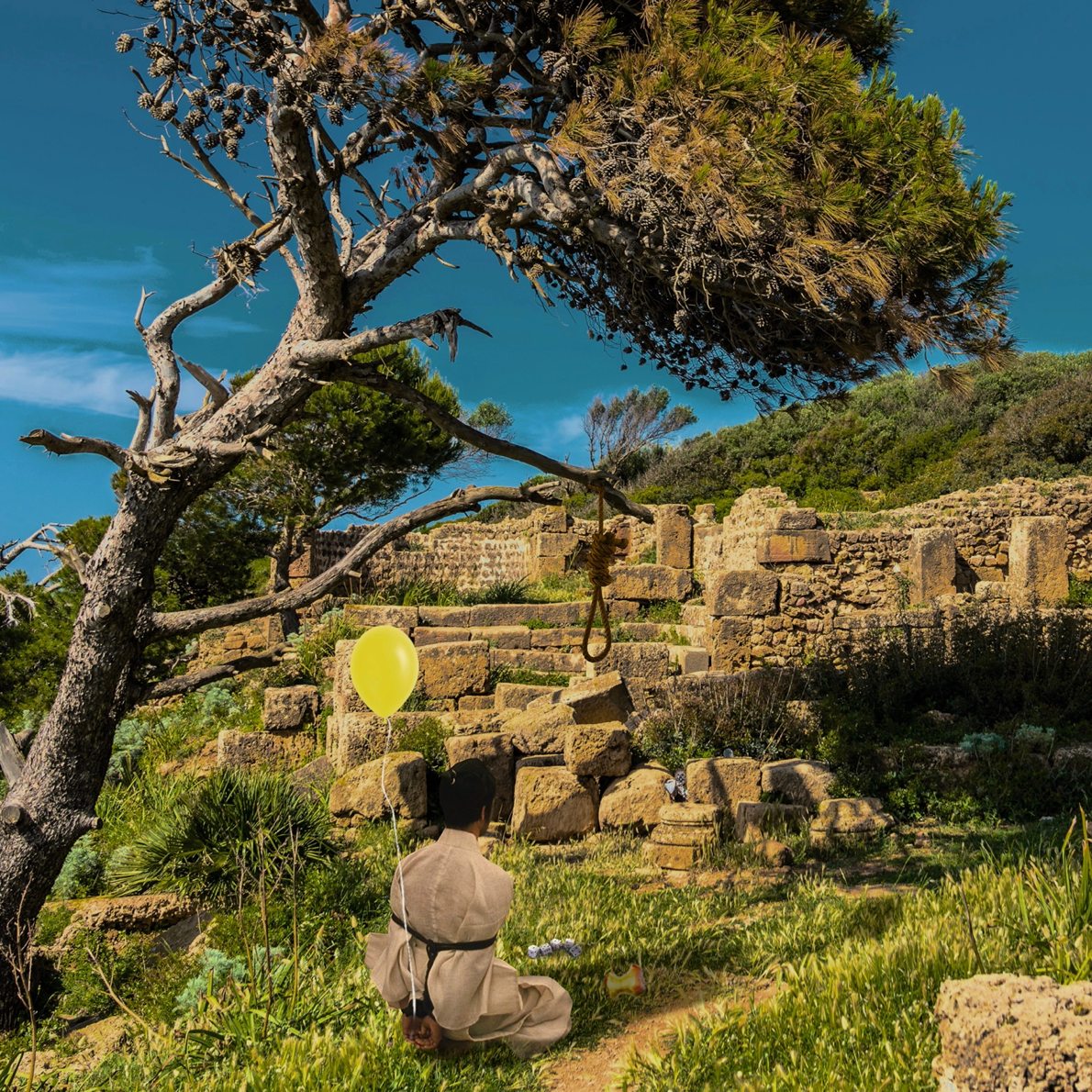
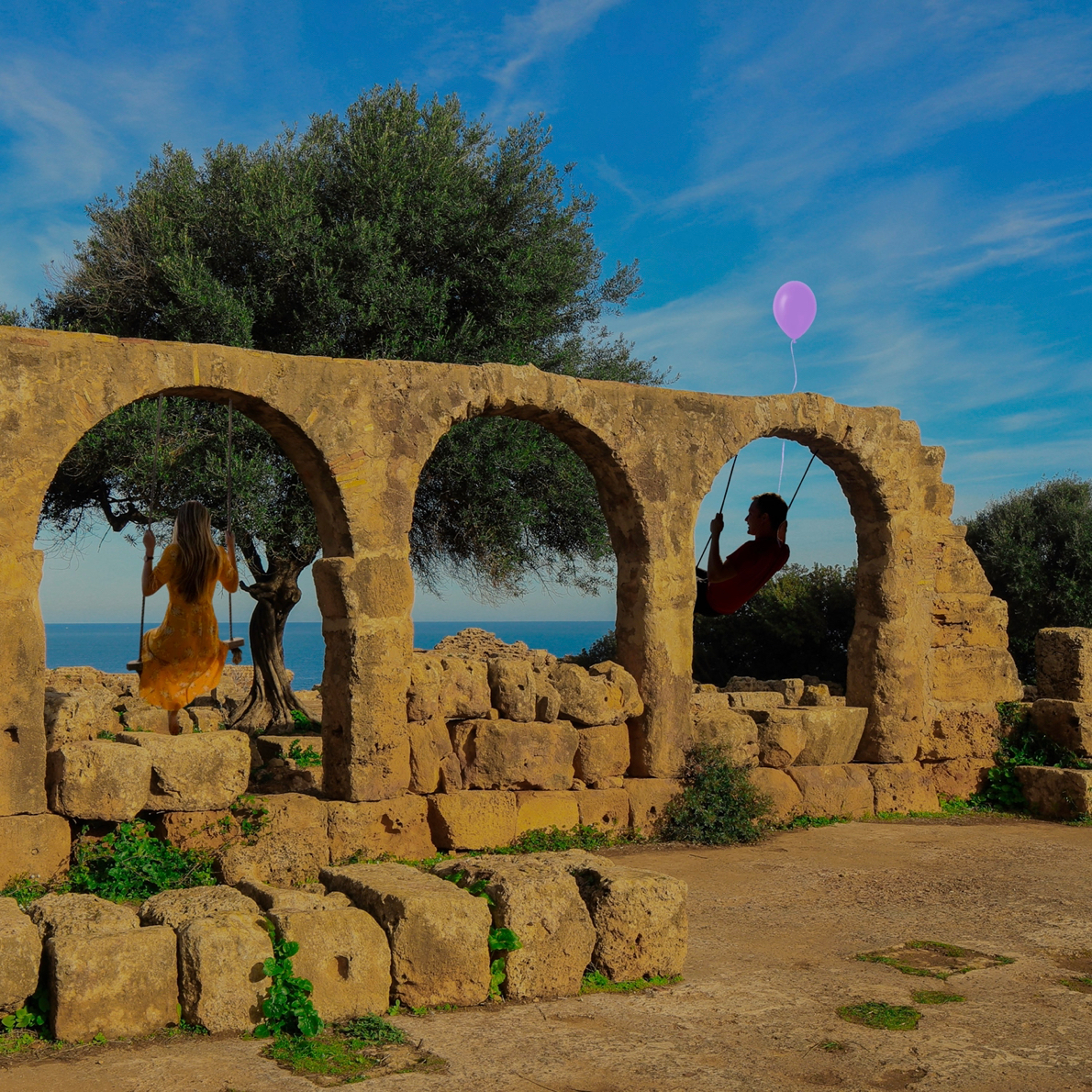
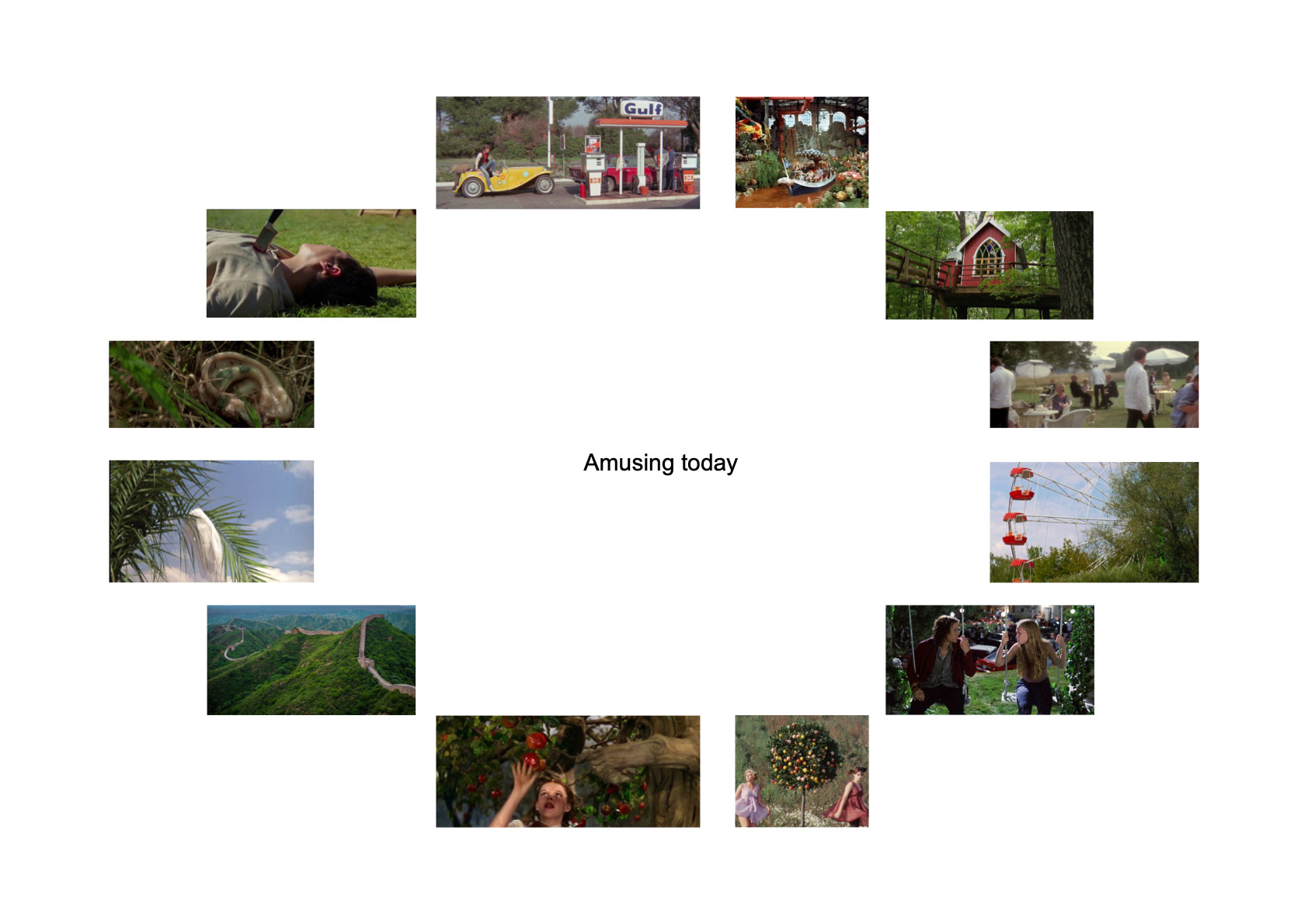
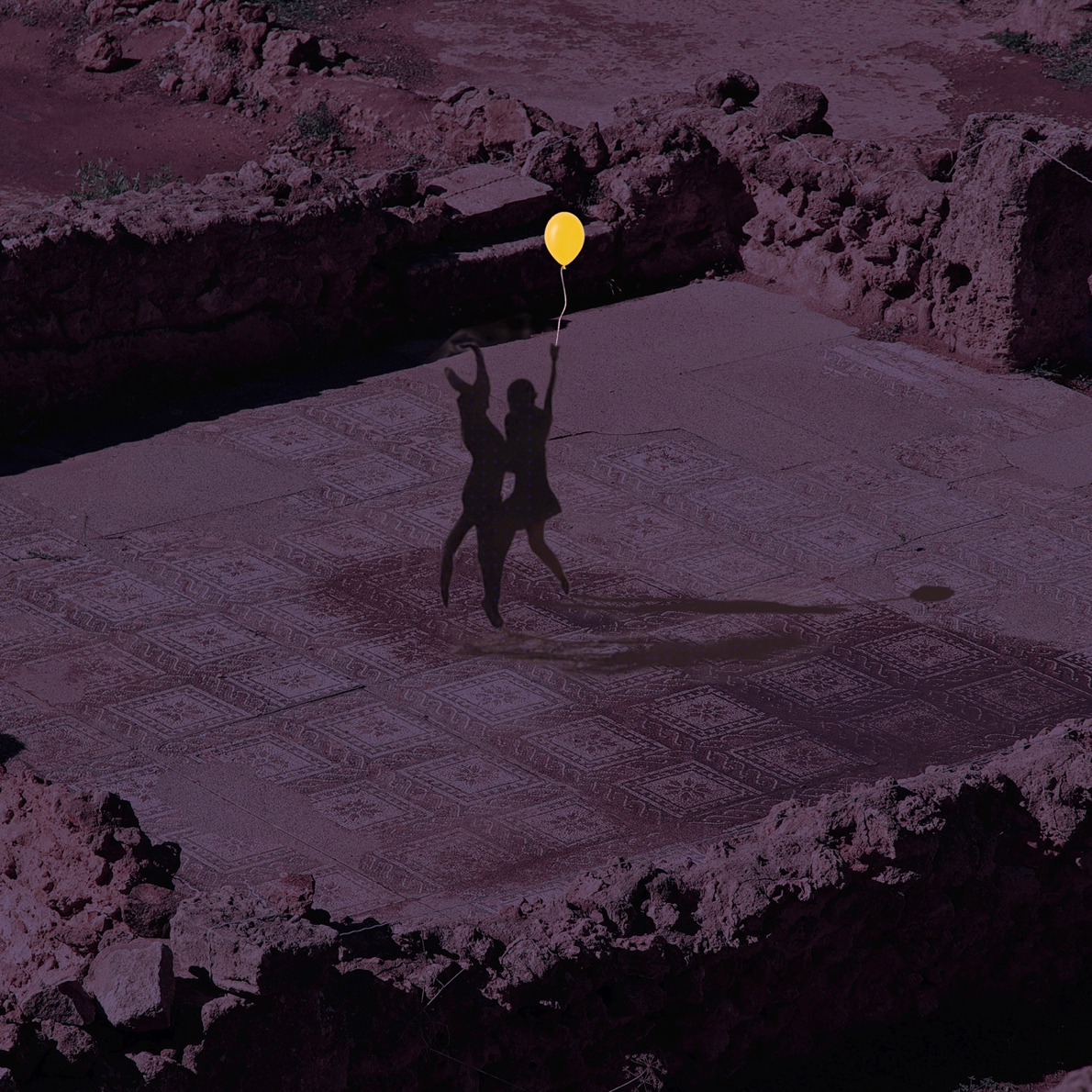
The garden hums with life as the afternoon stretches its golden arms over the ruins. A ball skips across the ground, laughter spilling out as if the air itself has learned to play. Stones that once carried the weight of history now frame a moment of genuineness - carefree, unbound, and fleeting.
“Shadow lie darker in deeper woods.”[1] Feet dart across uneven paths, hands clap in celebration, voices rise and fall in the rhythm of a game. The ruin stands quietly in the center, a witness not to reverence, but to the lightness of being. It is not a monument here, but a participant, holding space for amusements that have no name and no need for permanence, “balancing shadow with light.”[2]
“Feel the earth, the light, the wind.”[3] In this shared play, something larger than history breathes, something alive, whole, and entirely present.
[1] Emily Bronte, Wuthering Heights; [2] Camus, The Myth Of Sisyphus And Other Essays; [3] D.H. Lawrence, Sons and Lovers
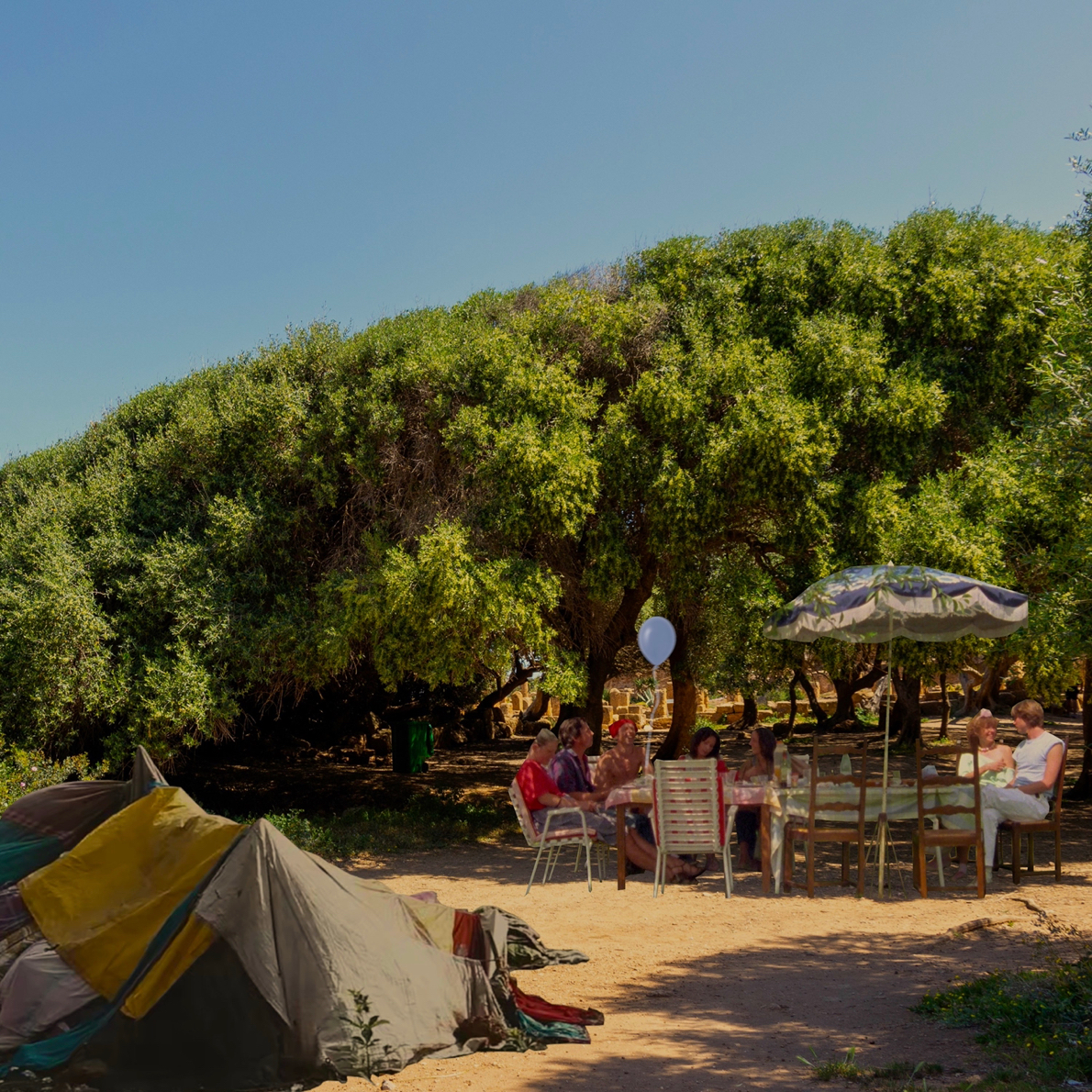
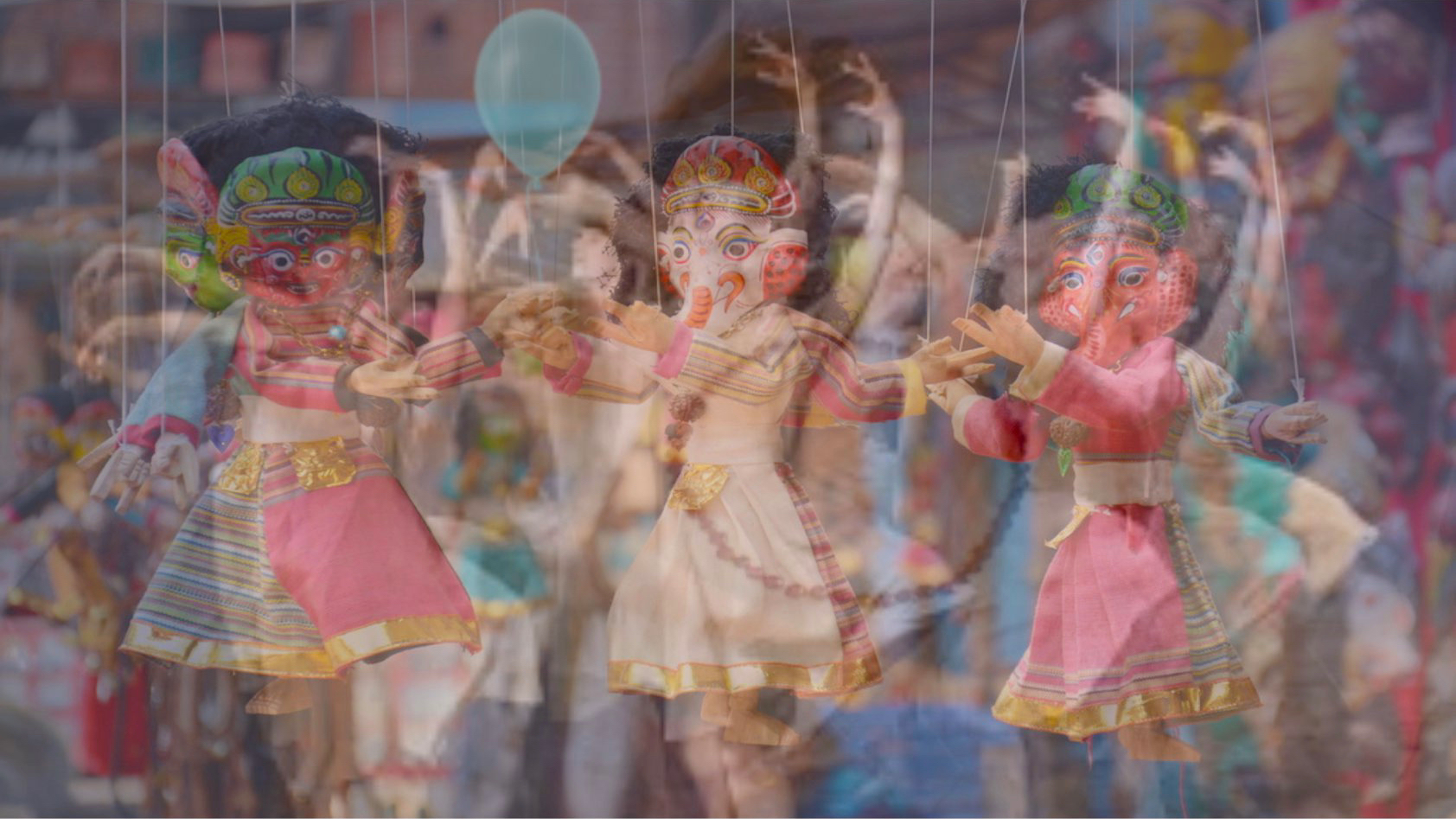
what’s the point?
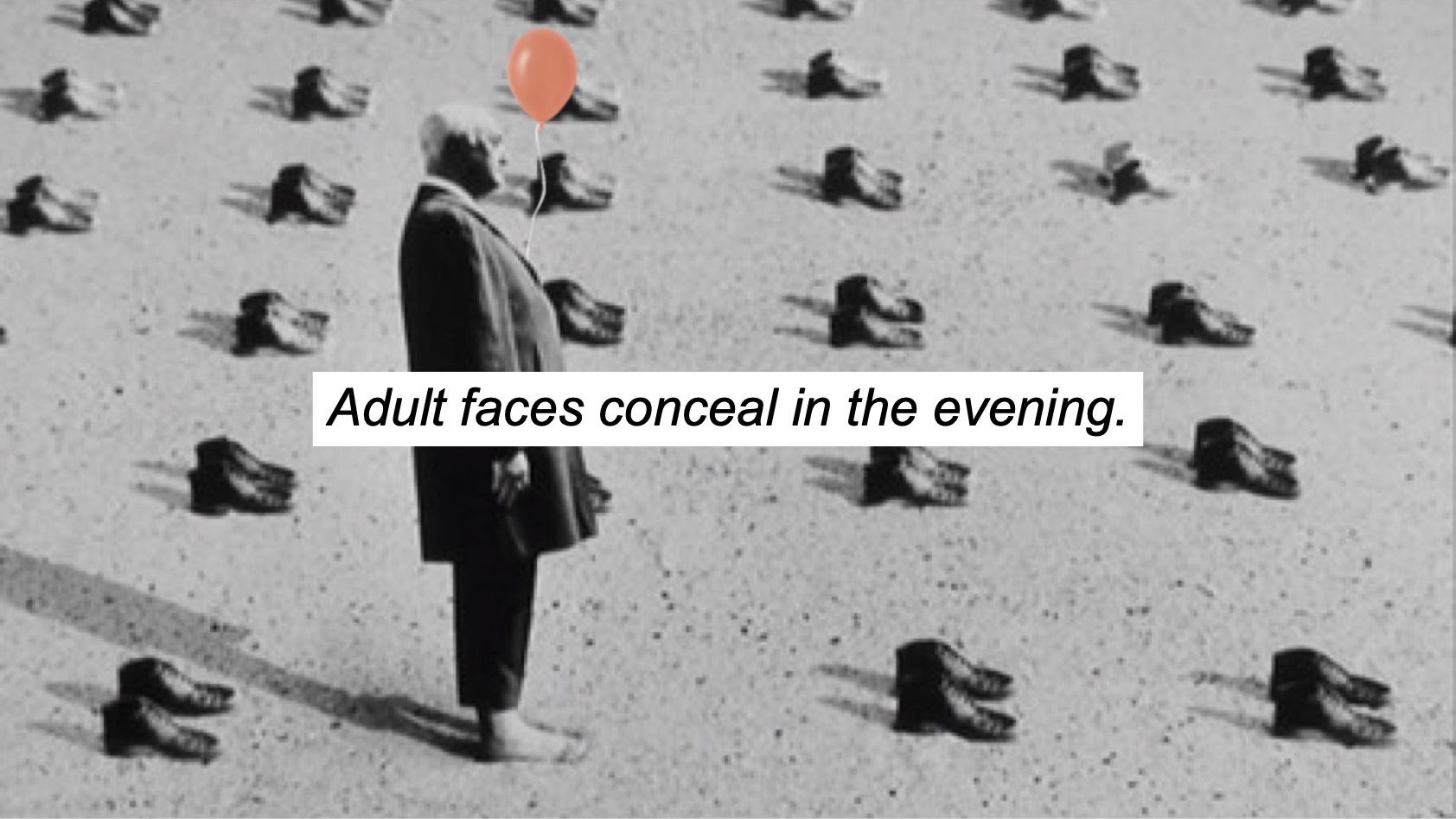
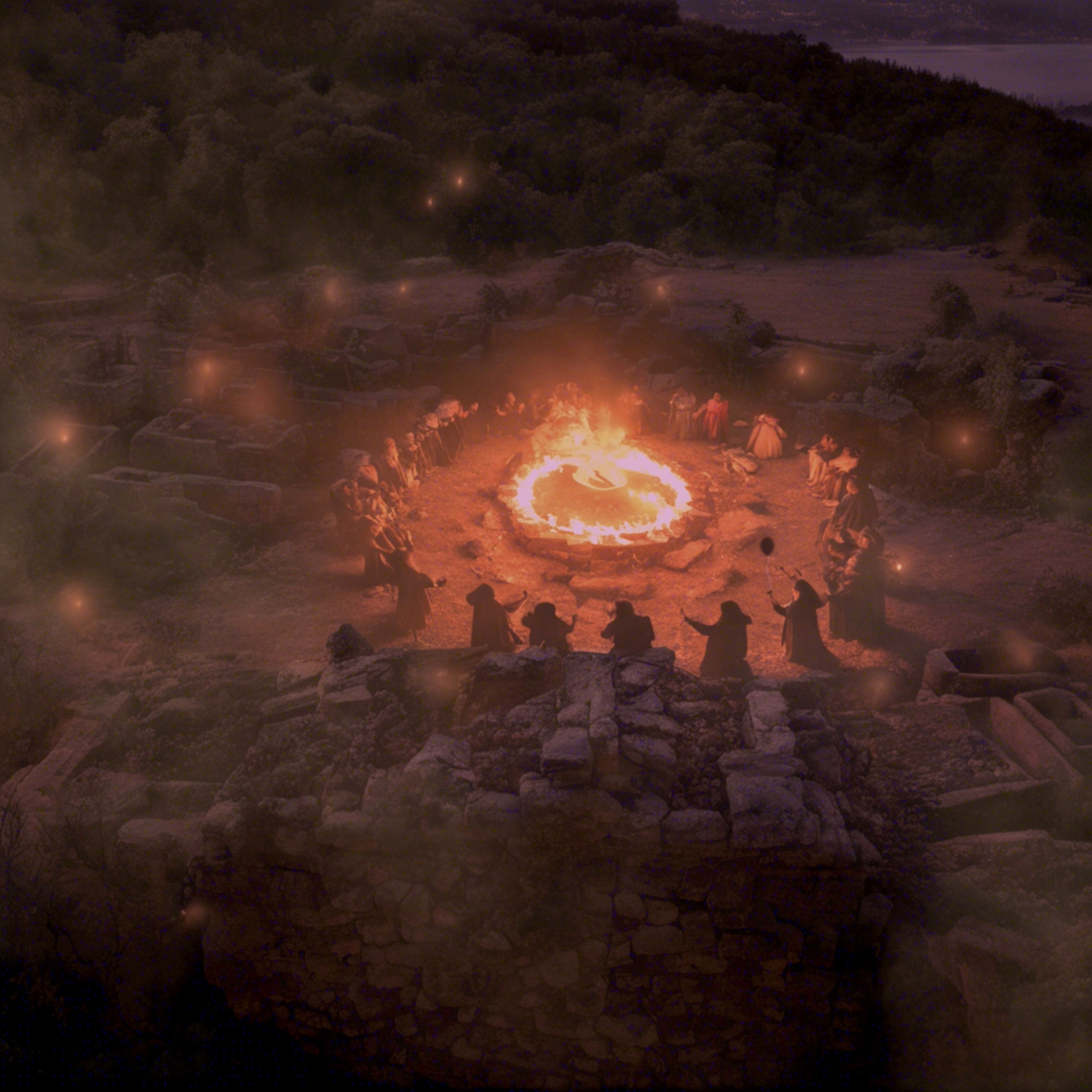
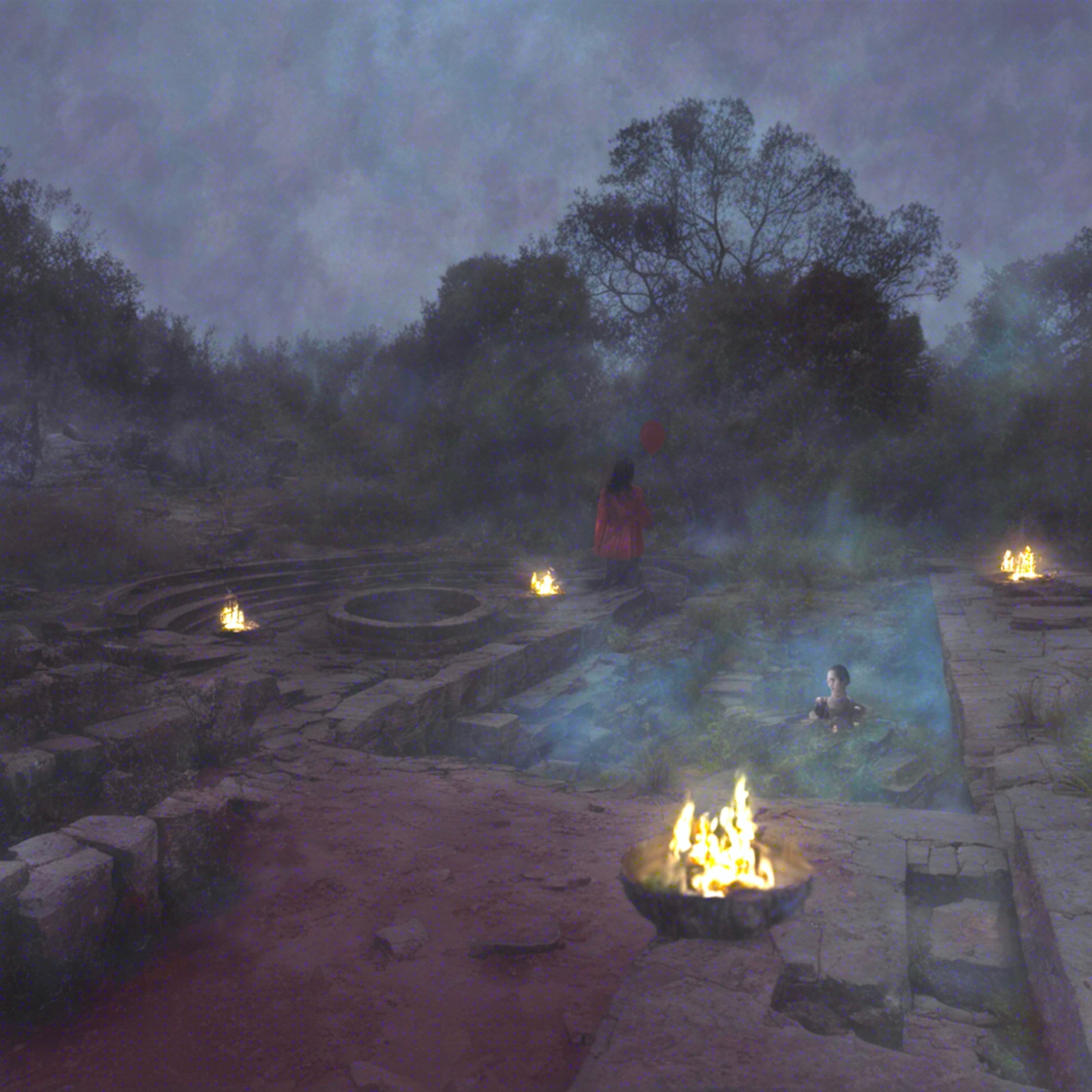
As the light fades and the first stars begin to appear, the ruin softens into the evening, its edges blurring against the twilight. Around a quiet fire, voices weave together - some loud, some soft, but all warm.
The walls, once built for prayer, now hold companionship instead. Shadows stretch across cracked stones as laughter and shared stories rise into the night air. ”Language is a constant creation of alternative worlds.”[1] No one notices how the ruin leans closer, listening, holding the weight of their words as gently as it holds the light of the fire. “Truth, like light, blinds.”[2] The ruin does not ask for reverence or silence, only for the presence of those who find themselves drawn here.
“The shadows must temper the light, and the light must temper the shadows” [3] Here, togetherness feels simple, unadorned, and enough.
[1] Steiner, After Babel; [2] Camus, The Fall; [3] Mallgrave, Architectural Theory
so late already?
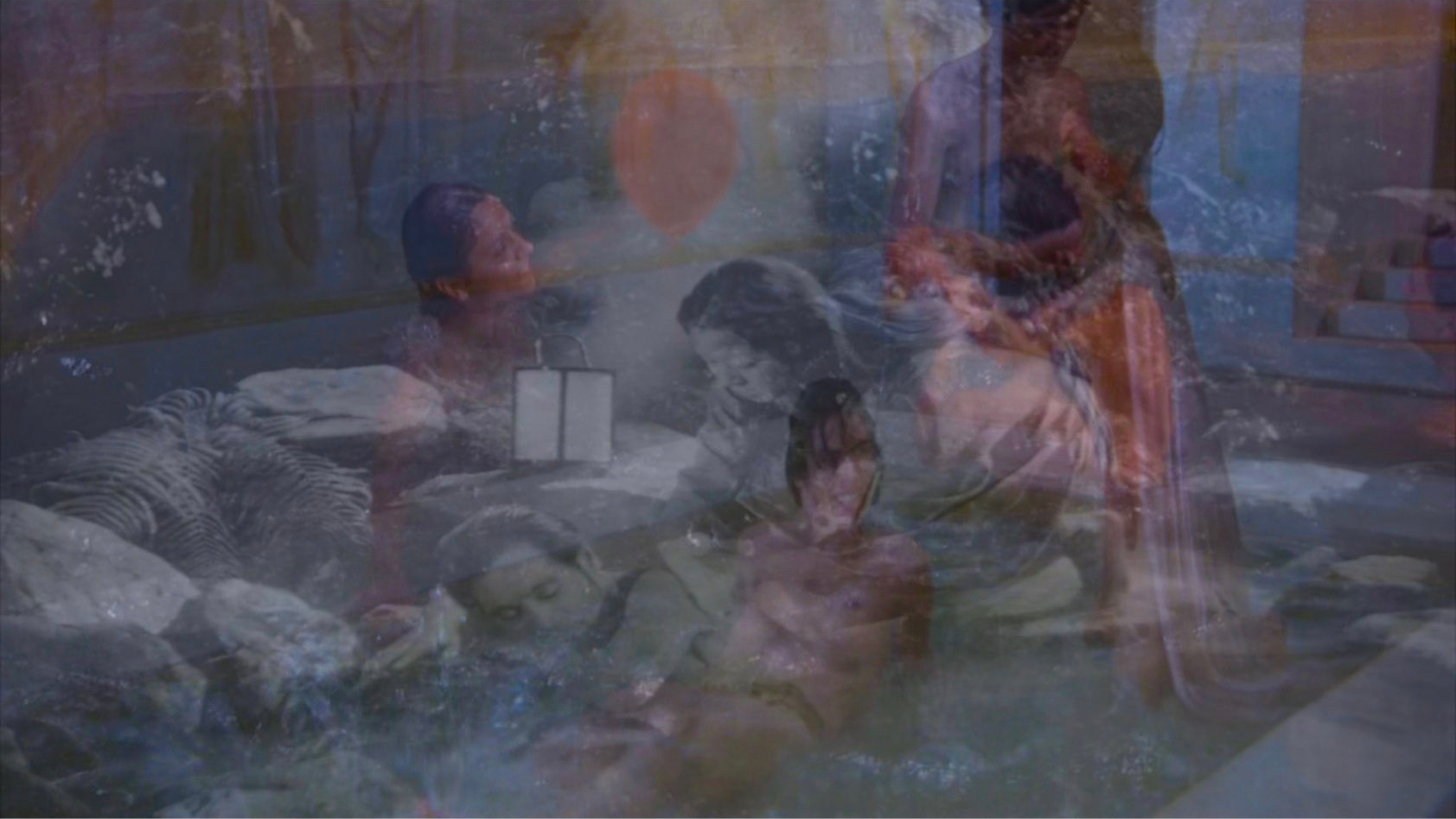
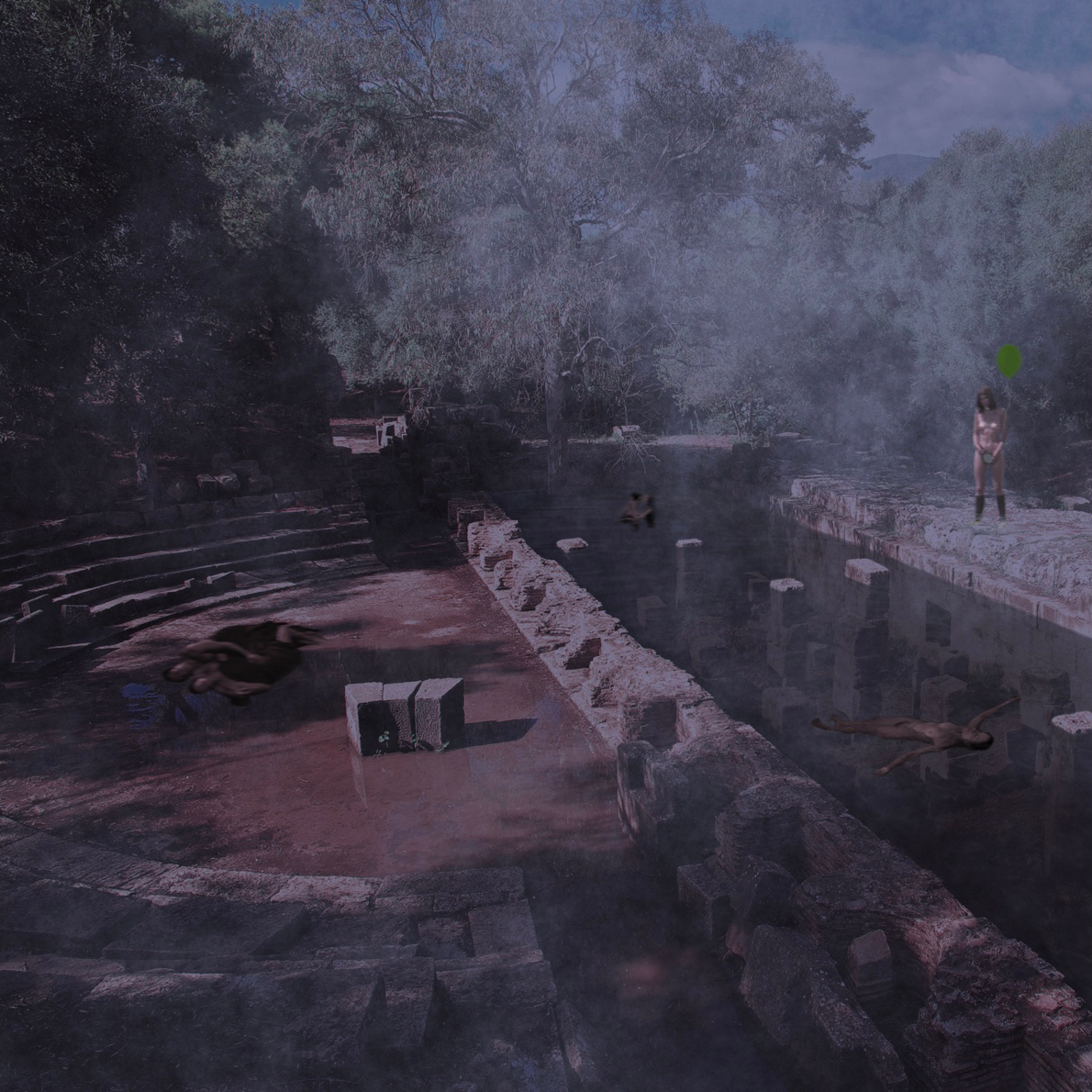
By midnight, the ruin dissolves into the night, its outlines softened by the steam rising from the warm waters. “Light was always excluded.”[1] Here, beneath the stars, the space feels like an embrace, intimate and infinite all at once.
“The universe is a little too big to care about something so small.”[2] Yet, bodies move closer, seeking not answers but connection - a brush of skin, a whispered word, a heartbeat felt through the water. e ruin watches, not as a witness to lust or longing, but as a keeper of something tender: the quiet courage it takes to reach for another, “as life is her fairest invention.”[3]
The waters ripple gently, carrying away the weight of hesitation, leaving only the present moment. “Nothing but time.”[4] In the stillness of the ruin, affection blooms, unspoken yet undeniable.
[1] Darwin, The Power of Movement in Plants; [2] Rick Sanchez, Rick and Morty; [3] Harrison Wood Gaiger, Art in Theory
who am I?
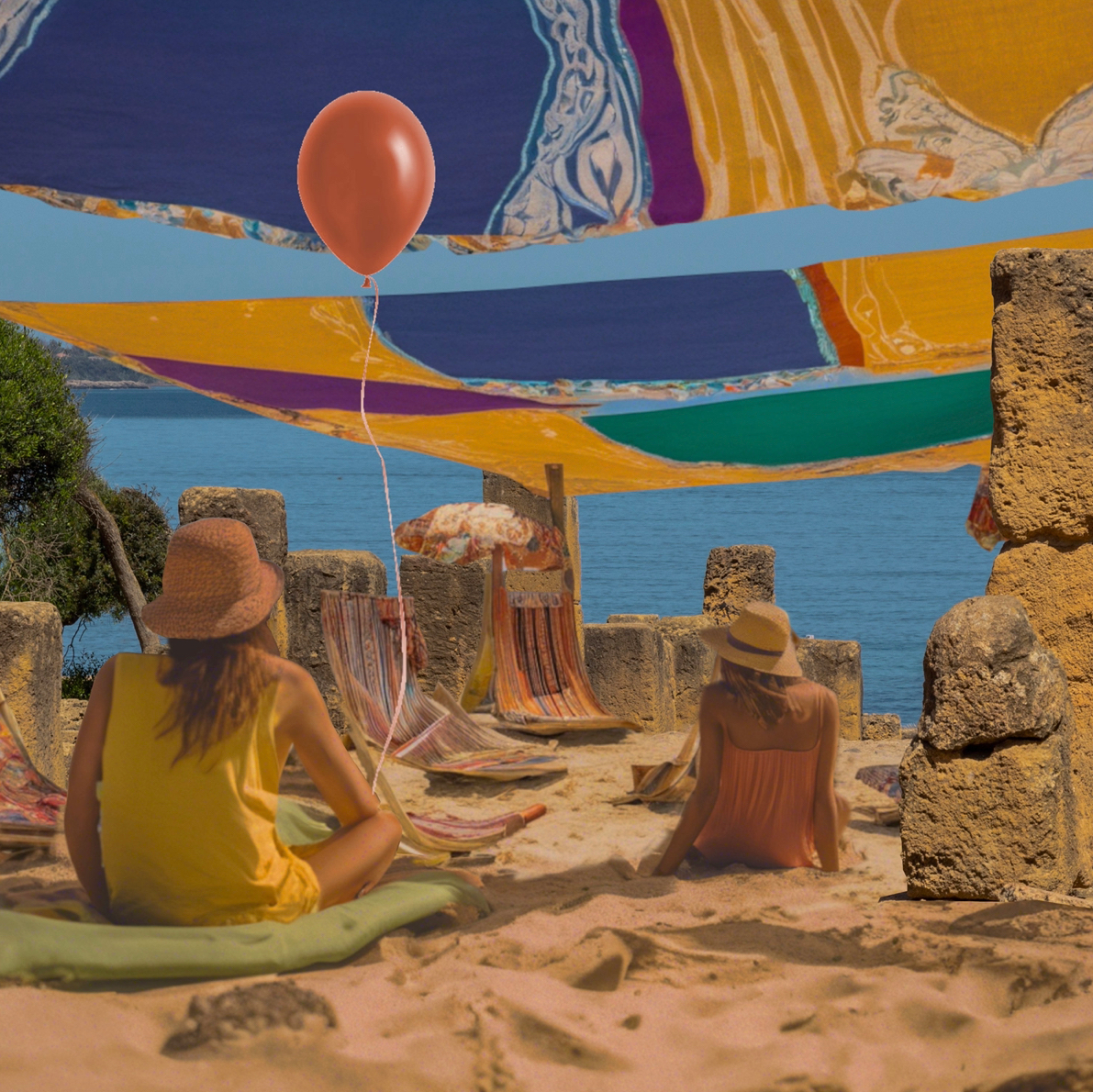
I am the ruin in Tipasa, and I am not a place because of the weight of my history, but because of the moments that breathe life into me each day. My stones, worn by time, are not defined by the hands that build them, but it is the footsteps, laughter, and whispers of today that shape me now.
Children chase each other through my arches, their games weaving joy into the cracks where sunlight falls. Lovers sit on my warm stones at dusk, their quiet conversations filling the spaces where ancient voices once lingered. Artists sketch my contours, not to capture my past, but to freeze a fleeting moment that belongs only to them.
It is in these acts - small, unassuming - that I exist. Not as a monument to what was, but as a space where people pause, connect, and create. My history is etched in stone, yes, but my meaning is found in the way hands still reach for me, the way eyes still search my shadows for their own stories.
I am not a relic. I am a stage, a canvas, a companion to the lives unfolding here. Each day, they redefine me, and in their presence, I become not a ruin, but a place.
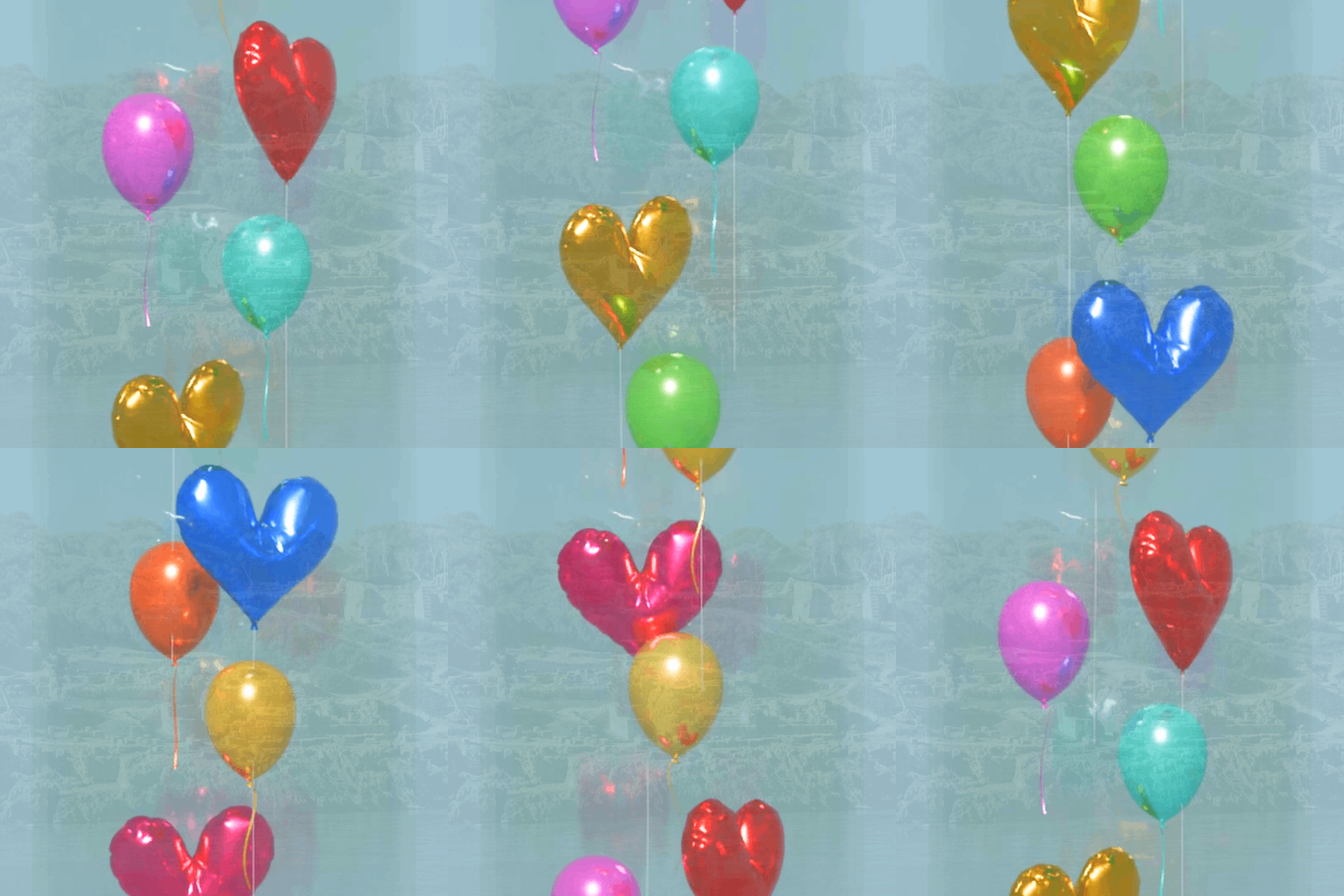
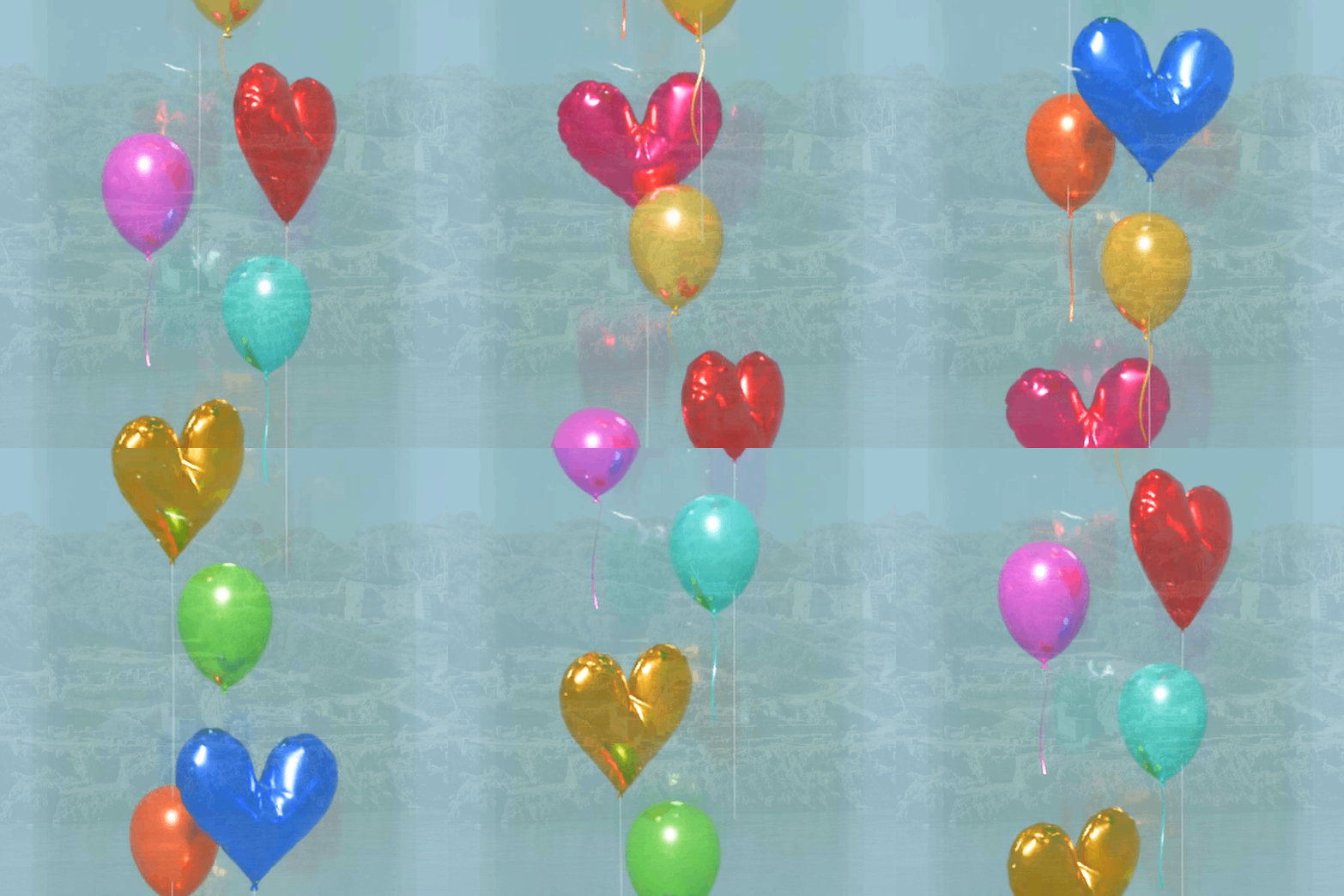
a spectacle - a glimmering thing that rises above the horizon, drawing every gaze
a celebration - something to hold, something to release, something to distract
a vessel of nothingness - air wrapped in fragile color, swelling with the illusion of substance
a product - mass-produced and endlessly repeatable
a celebration - something to hold, something to release, something to distract
a vessel of nothingness - air wrapped in fragile color, swelling with the illusion of substance
a product - mass-produced and endlessly repeatable
produce, inflate, release, repeat
“Just Do IT.”[1]
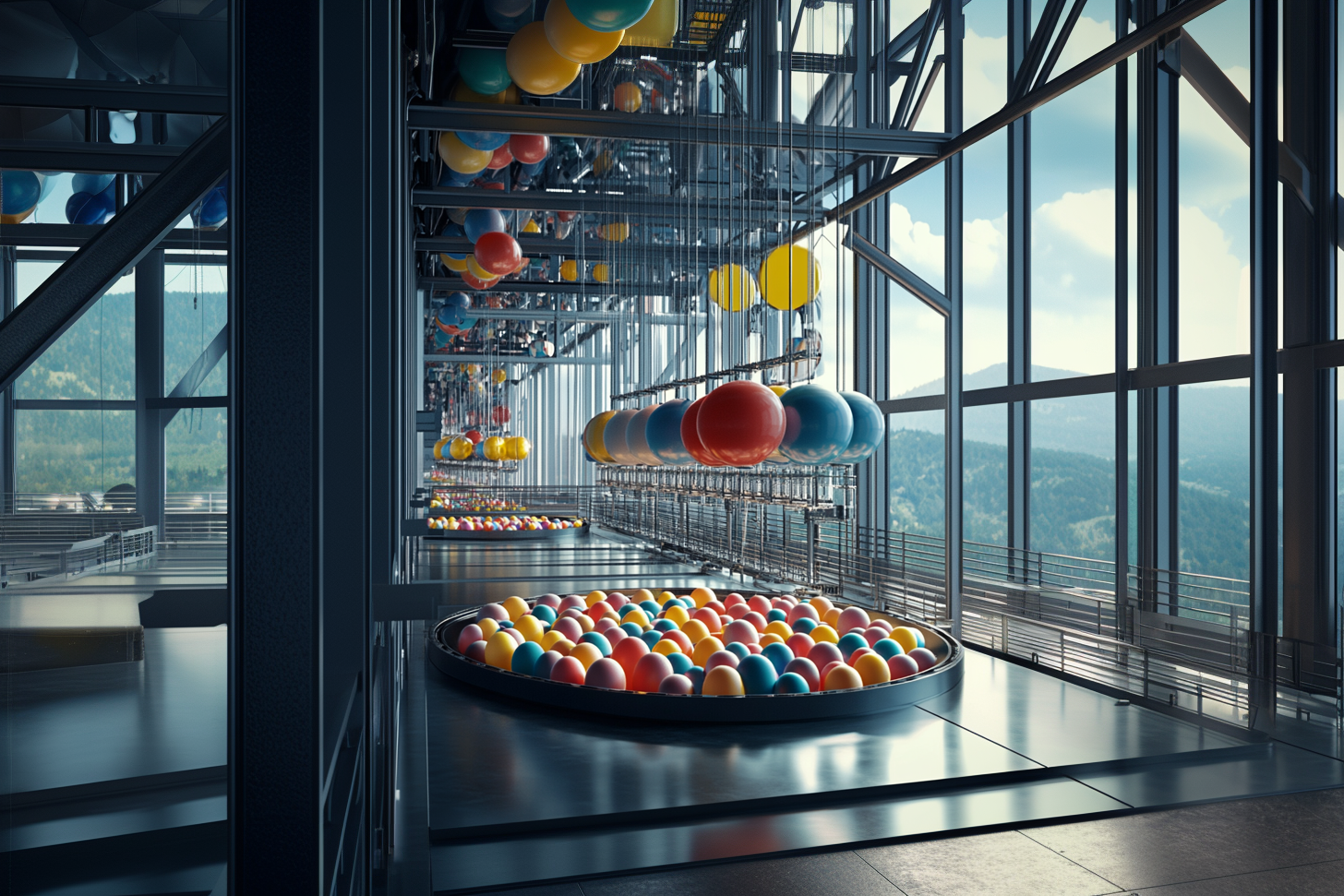
A hum fills the space, a perfectly orchestrated symphony of creation. No hands, no voices, no errors. Inhaling air and exhaling balloons. Each one identical, smooth, hollow and shiny.
A hum fills the space, a perfectly orchestrated symphony of creation. No hands, no voices, no errors. Inhaling air and exhaling balloons. Each one identical, smooth, hollow and shiny.
The process is flawless, streamlined to ensure nothing interrupts the rhythm. A single red balloon? Excellent. A thousand identical red balloons? Profit. There is no hesitation, no questions, no irony.
“Nothing is more powerful than an idea whose time has come.”[2] And the time has come to inflate, over and over again.
The ruin outside thrives on fragile, fleeting moments that hap-pen once and can never be repeated. But here, moments are flattened into templates - automated for endlessly repeatable mass-creation. A balloon is no longer a balloon. It is a unit. A product. “The production of too many useful things results in too many useless people.”[3] A colorful, hollow solution to a question no one asked.
But somewhere beneath the hum of this place, a question does lingers in the air: when nothing is made to last, why keep making it at all? But there are no ears to hear around. Only the rhythm remains.
[1] Nike; [2] Victor Hugo, The History of a Crime; [3] Karl Marx, Economic and Philosophic Manuscripts
"Go Big or Go Home"[1]
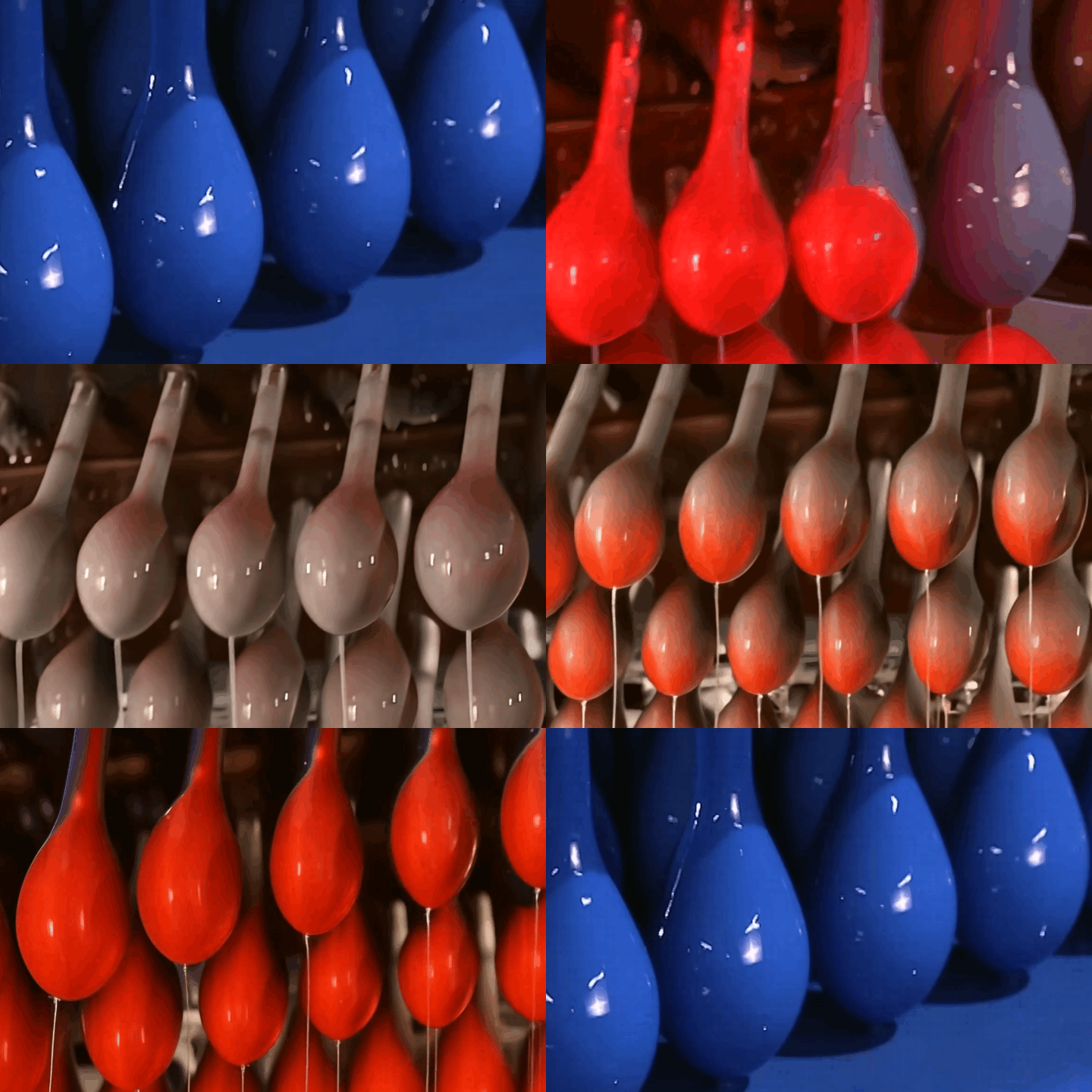
It is a form of art - the art of making everything out of nothing and selling it as something. Inflating a void with air, turning absence into presence, fragility into weightlessness, nothing into a spectacle, just like a moment that is passing by.
But how long can it last? Each breath fills it closer to perfection, its surface gleaming, its edges straining under the tension of becoming. It holds, fragile yet whole, existing in the space between fullness and collapse. A moment suspended in time, balanced precariously on the edge of too much. "Perfection is attained not when there is nothing more to add, but when there is nothing left to take away."[2]
For now, it is something. It holds. But every moment has its limit, and the air inside it whispers of inevitability. How long can it stretch before the balance is lost? How long before the nothingness inside betrays its shape?
"There is no greater illusion than permanence."[3]
It is beautiful while it lasts, but it cannot hold forever. It never could. "For everything that rises must converge."[4]
[1] Monster Energy; [2] Antoine de Saint-Exupêry, Wind, Sand and Stars;
[3] Simone Weil, Gravity and Grace;[4] Flannery O'Connor, Everything That Rises Must Converge
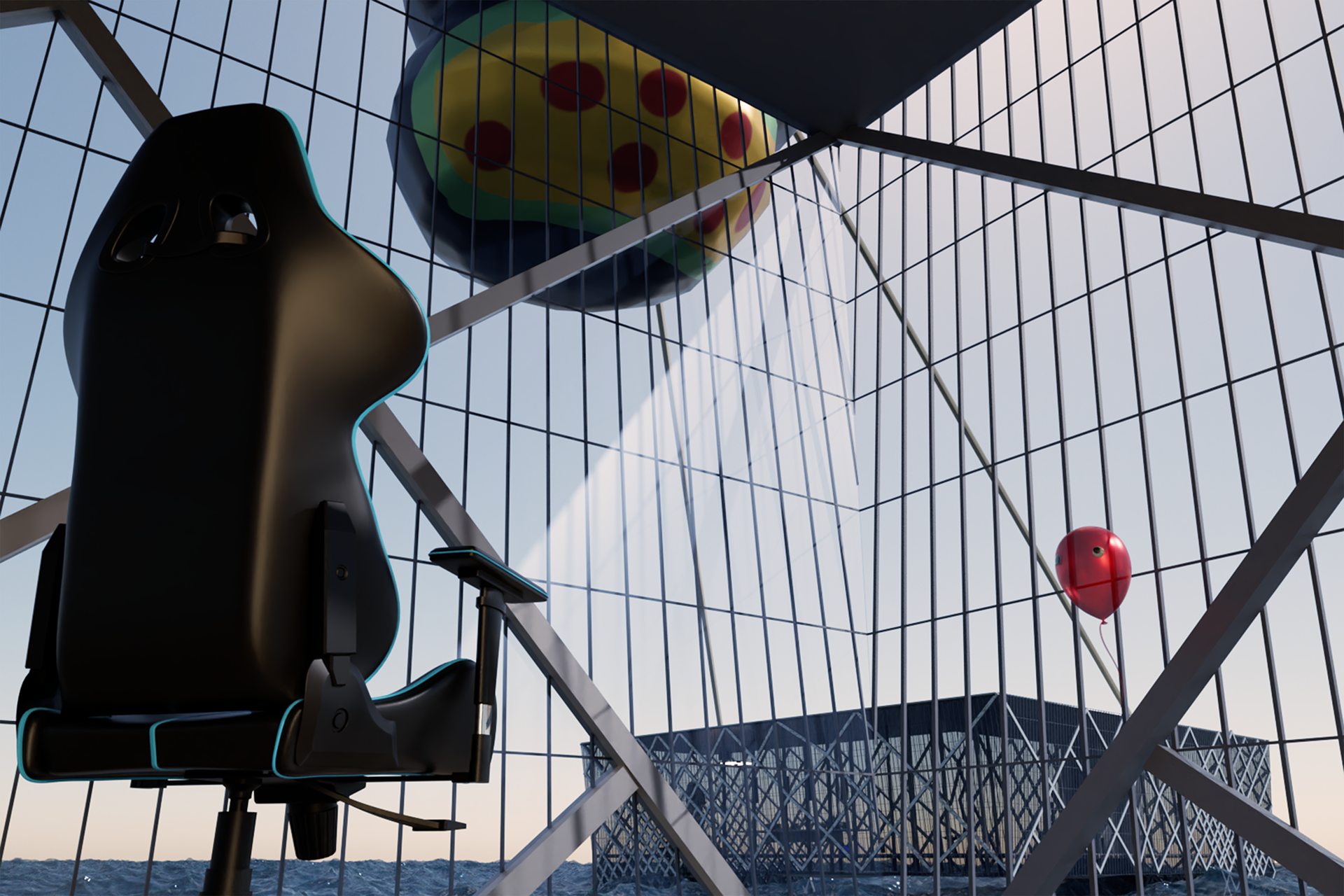
"Taste the Feeling."[1]
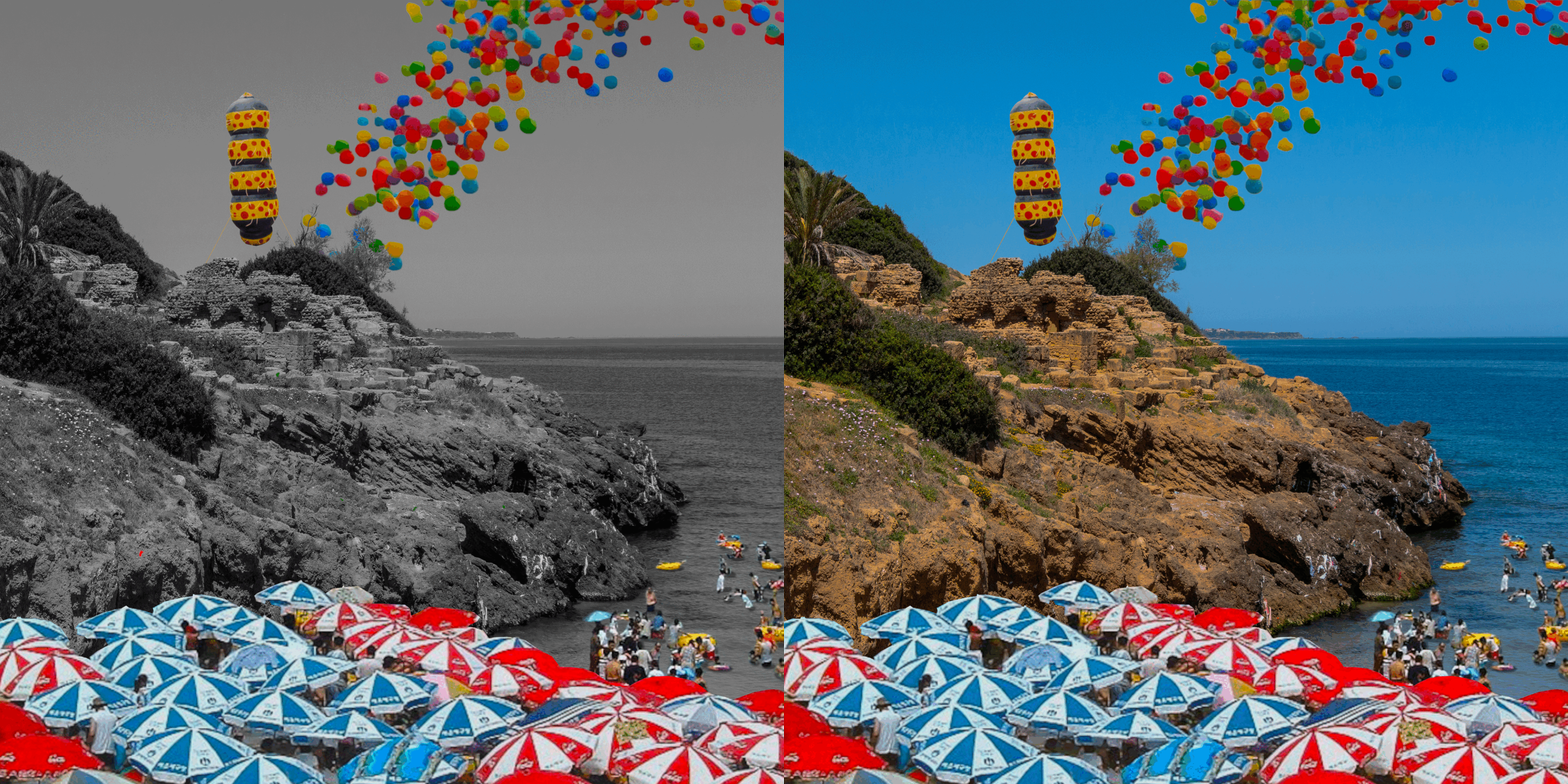
The balloons rise in waves, their colors flooding the sky, consuming it in a crescendo of endless ascent. One after another, they float higher, their fragile forms carried by the promise of more - more color, more motion, more spectacle.
"The highest point of yesterday should be the starting point of today."[2]
They pass over the ruins, indifferent to the stillness below. The arches and stones remain unchanged, their quiet weight unbroken by the chaos above. The moments once born there, fleeting and grounded, now dissolve into a sky overrun with hollow shapes, each balloon fighting for space, for meaning, for something it cannot hold. "Mere anarchy is loosed upon the world."[3]
But there is no pause. There is no silence, only the relentless rhythm of release. Each balloon rises, a fleeting fragment of excess, leaving behind a question the ruins cannot answer: How much can rise before nothing remains to ground it?
[1] Coca Cola; [2] B.K.S. Iyengar; [3] W.B. Yeats, The Second Coming
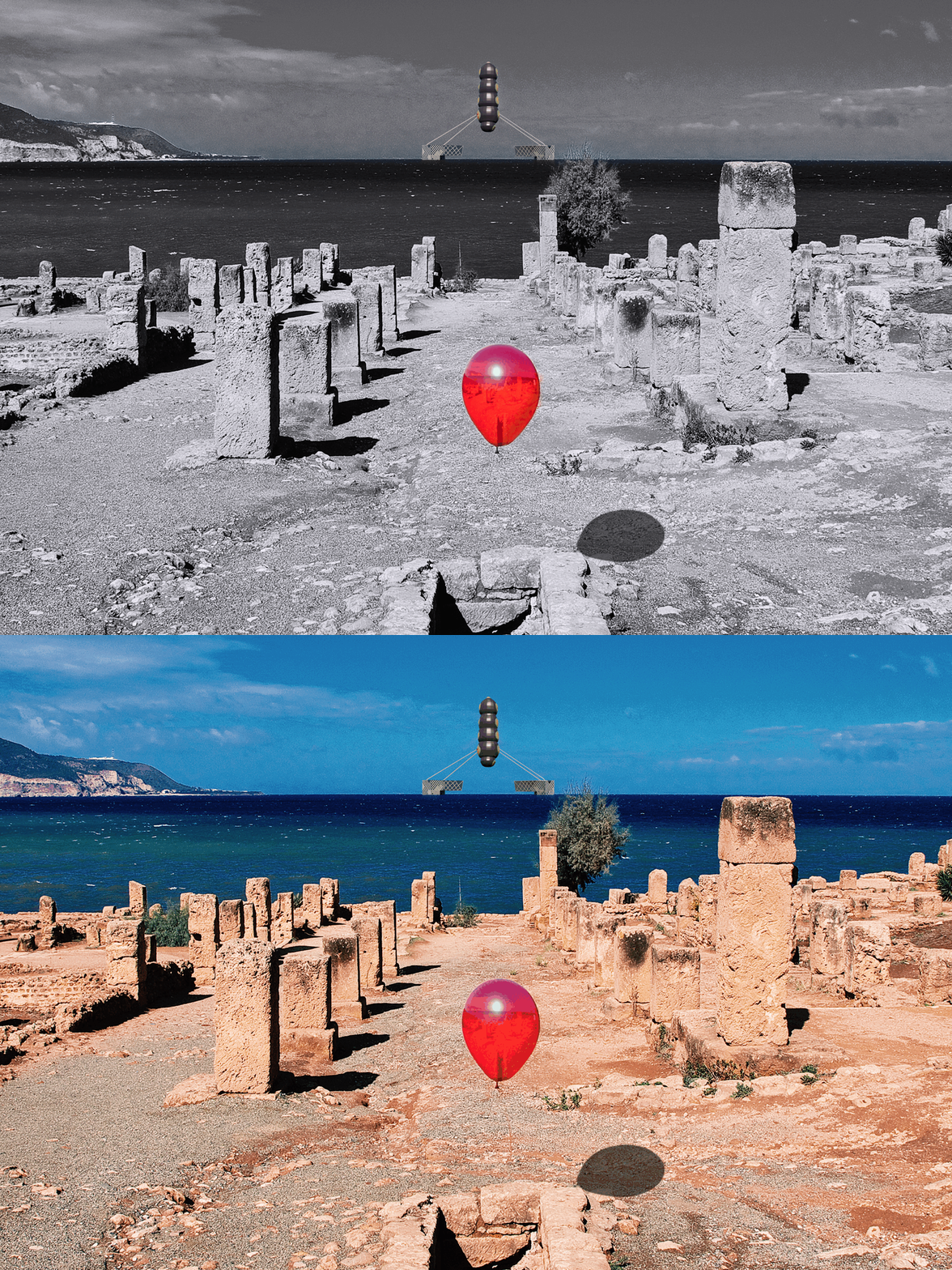
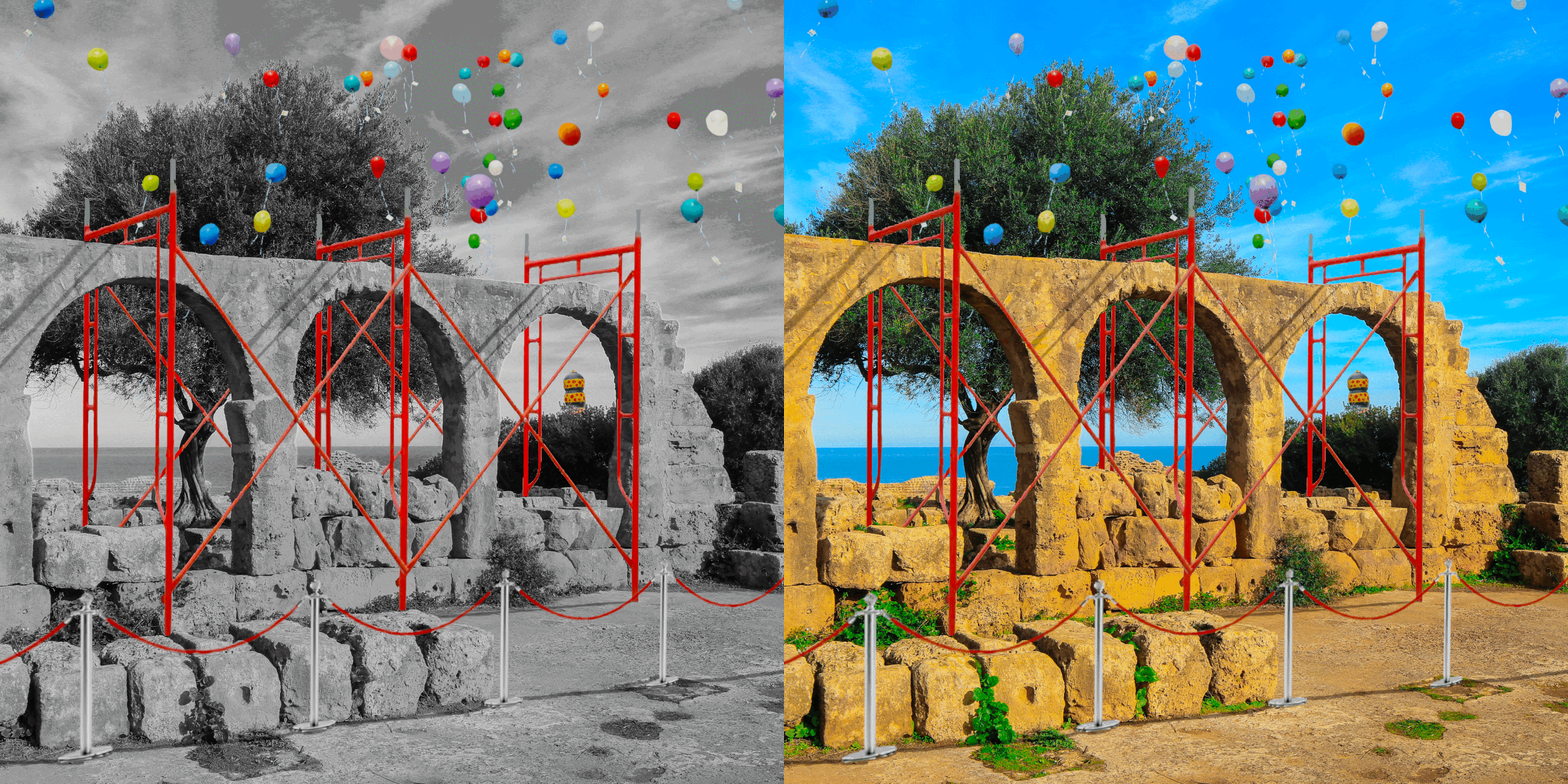
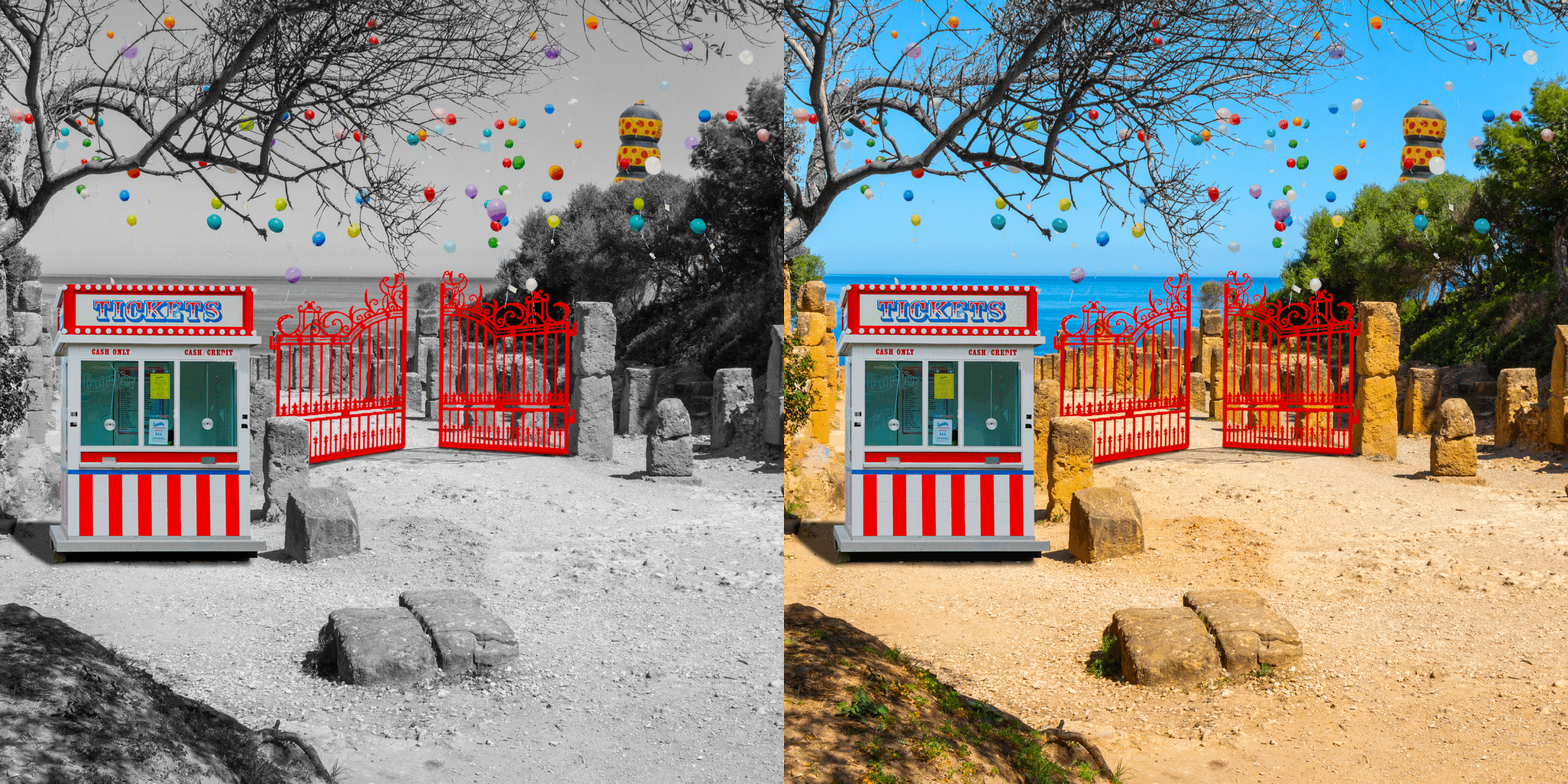
“Leave the Rest to Us.”[1]
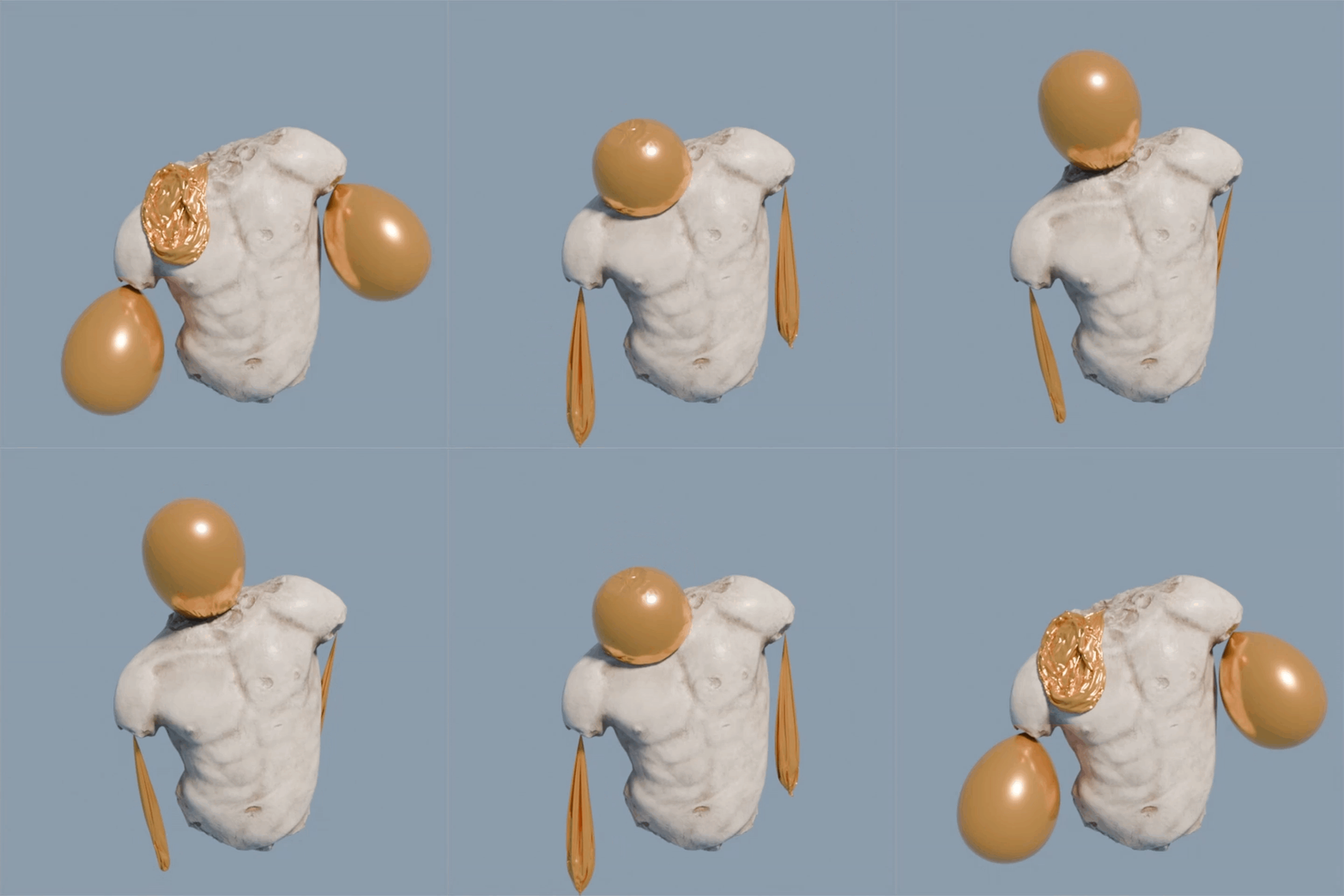
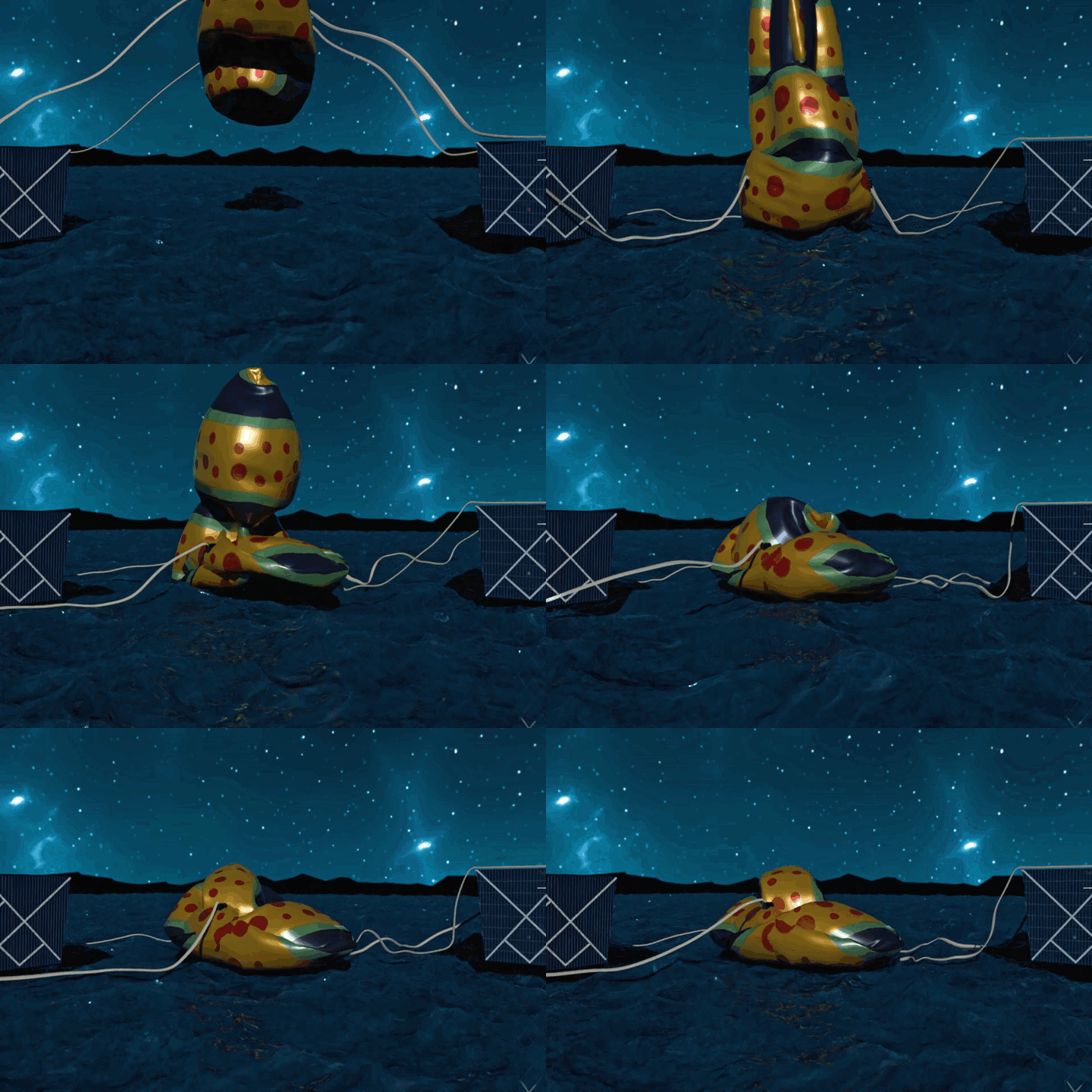
By nightfall, all that’s left is silence, the lights extinguished, the hum replaced by a heavy stillness. Without light, there is no creation. They rest, powerless in the darkness, waiting to abuse the sun again.
The balloons, once bright against the sky, now lie scattered across the ruin - deflated, forgotten remnants of the last moments. They cling to stones, limp and lifeless, their colors dulled by the night. “Every moment there is creation, every moment destruction.”[2]
The ruins, untouched yet altered, sit beneath the weight of these discarded fragments,
their timeless presence entangled with the debris of a fleeting spectacle.
their timeless presence entangled with the debris of a fleeting spectacle.
The remains are swept together, not to be discarded, but to be gathered, repurposed, and inflated again tomorrow. The ruins stand quietly in the darkness, patient witnesses to a cycle that creates nothing, but only reshapes what is already lost.
“There is nothing new except what has been forgotten.”[3]
[1] Holiday Inn; [2] Ramana Maharshi; [3] Marie Antoinette